The Inner Blueprint for Building a Healthy Relationship

In the search for love, many people focus on finding the right person. But the truth is, the quality of your relationships is not determined by who you meet—it is shaped by who you are.

A healthy relationship does not begin with someone else. It begins within you.

If you’ve ever experienced confusion, emotional highs and lows, or a pattern of unfulfilling relationships, it may not be about bad luck. It may be a sign that your inner foundation needs attention.

This article will guide you through the inner blueprint for building a healthy relationship—one rooted in self-awareness, emotional strength, and authentic connection.

Why Inner Work Is The Foundation Of Every Relationship

Most people try to fix relationship problems externally:

  • Communicating better
  • Choosing better partners
  • Avoiding conflict

While these are important, they are not enough.

Without inner clarity, you may:

  • Attract relationships that mirror your insecurities
  • Tolerate behavior that doesn’t align with your values
  • Struggle to express your needs clearly
  • Depend on others for validation and self-worth

Your inner world shapes your outer experiences.

When you strengthen your internal foundation, your relationships naturally begin to transform.

Step 1: Build Deep Self-Awareness

Self-awareness is the starting point of any meaningful change.

You cannot create a healthy relationship if you are unaware of your own patterns, triggers, and emotional needs.

Ask yourself:

  • What patterns keep repeating in my relationships?
  • What do I fear most—rejection, abandonment, or not being enough?
  • How do I react when I feel emotionally threatened?

Be honest, not judgmental.

Self-awareness is not about blaming yourself—it’s about understanding yourself.

Practical ways to develop self-awareness:

  • Journaling your thoughts and emotions daily
  • Reflecting on past relationships without bias
  • Observing your reactions in real-time
  • Seeking feedback from trusted people

The more you understand yourself, the more intentional your choices become.

Step 2: Strengthen Your Self-Worth

Your self-worth sets the standard for how others treat you.

If you don’t believe you are worthy of respect, love, and care, you may accept less than you deserve.

Signs of low self-worth in relationships:

  • Overgiving to gain approval
  • Fear of speaking up
  • Tolerating disrespect
  • Feeling anxious about losing the relationship

Healthy self-worth looks like:

  • Knowing your value without needing constant validation
  • Feeling comfortable setting boundaries
  • Walking away from what doesn’t serve you

Ways to build self-worth:

  • Keep promises you make to yourself
  • Celebrate small wins
  • Stop comparing yourself to others
  • Surround yourself with supportive people

When you value yourself, you stop chasing love—and start choosing it.

Step 3: Master Emotional Responsibility

One of the most powerful shifts in personal development is taking responsibility for your emotions.

This means:

  • Acknowledging your feelings without blaming others
  • Understanding your emotional triggers
  • Choosing how you respond instead of reacting impulsively

Instead of saying:
“You make me feel insecure”

Shift to:
“I feel insecure, and I want to understand why”

This shift:

  • Empowers you
  • Reduces conflict
  • Improves communication

Emotional responsibility does not mean suppressing your feelings. It means owning them.

When both partners practice this, the relationship becomes a space of growth rather than blame.

Step 4: Define Your Core Values

A healthy relationship is built on shared or aligned values—not just attraction or chemistry.

Take time to define what truly matters to you.

Examples of core values:

  • Honesty
  • Respect
  • Growth
  • Loyalty
  • Freedom

Ask yourself:

  • What do I need to feel safe and fulfilled?
  • What behaviors are non-negotiable?
  • What kind of relationship do I want to build?

Once you are clear on your values, your decisions become easier.

You stop settling for less—and start aligning with what truly fits you.

Step 5: Learn To Communicate Authentically

Communication is more than just talking—it’s about expressing your truth clearly and respectfully.

Authentic communication includes:

  • Sharing your thoughts honestly
  • Expressing your needs without fear
  • Listening without defensiveness
  • Being open to understanding, not just being understood

Common communication mistakes:

  • Avoiding difficult conversations
  • Expecting others to read your mind
  • Reacting emotionally instead of responding thoughtfully

Improving communication requires practice.

Start small:

  • Speak up about your needs
  • Ask open-ended questions
  • Validate the other person’s perspective

When communication improves, connection deepens.

Step 6: Create And Respect Boundaries

Boundaries are essential for maintaining a healthy relationship.

They protect your emotional energy and define how you want to be treated.

Examples of boundaries:

  • Saying no without guilt
  • Taking time for yourself
  • Not tolerating disrespectful behavior

Many people struggle with boundaries because they fear rejection.

But the truth is:
The right people will respect your boundaries. The wrong ones will resist them.

Setting boundaries is not selfish—it is self-respect.

Step 7: Let Go Of The Need For Control

One of the biggest obstacles to a healthy relationship is the need to control outcomes.

You cannot control:

  • How someone feels about you
  • How they behave
  • Whether they stay or leave

Trying to control these things leads to anxiety and emotional exhaustion.

Instead, focus on:

  • Being your authentic self
  • Making aligned choices
  • Trusting the process

Letting go of control creates space for genuine connection.

Step 8: Choose Growth Over Comfort

A healthy relationship is not always easy—but it is always growth-oriented.

There will be moments of discomfort:

  • Difficult conversations
  • Emotional triggers
  • Personal challenges

Instead of avoiding these moments, embrace them.

Growth happens when you:

  • Face your fears
  • Learn from your experiences
  • Stay open to change

The goal is not perfection—it is progress.

The Power Of Building From Within

When you follow this inner blueprint, something shifts.

You no longer:

  • Chase validation
  • Stay in unhealthy situations
  • Lose yourself in relationships

Instead, you:

  • Attract healthier connections
  • Communicate with confidence
  • Feel secure within yourself

The relationship you build with yourself becomes the foundation for every other relationship in your life.

Final Thoughts

A healthy relationship is not something you find—it is something you create.

And it starts from within.

By developing self-awareness, strengthening your self-worth, taking emotional responsibility, and aligning with your values, you create a solid inner foundation.

From that place, love becomes:

  • Authentic
  • Stable
  • Fulfilling

You stop asking, “Is this person right for me?”

And start asking, “Am I showing up as the person I want to be in a relationship?”

That is the real blueprint.

And once you have it, everything changes.

[Free Gift] Life-Changing Self Hypnosis Audio Track

Relationship Advice for Women

Relationships can be one of the most beautiful and fulfilling parts of life—but they can also be confusing, emotionally intense, and sometimes even painful. If you’ve ever found yourself overthinking texts, questioning your worth, or wondering why love feels so complicated, you’re not alone.

The truth is, healthy relationships are not built on luck. They are built on self-awareness, emotional maturity, communication, and the ability to choose wisely.

This guide is designed to give you honest, practical relationship advice as a woman—not based on manipulation or games, but on building real, meaningful, and lasting love.

Start With Yourself: The Foundation of Every Relationship

Before focusing on how to improve a relationship, it’s important to look inward.

The relationship you have with yourself sets the tone for every connection in your life.

Why Self-Worth Matters

When you truly value yourself:

  • You don’t settle for less than you deserve
  • You recognize red flags early
  • You communicate your needs clearly
  • You don’t rely on someone else to complete you

On the other hand, low self-worth often leads to:

  • Accepting poor treatment
  • Fear of being alone
  • Over-giving and under-receiving

The key is to build a strong internal foundation so that your relationship enhances your life—not defines it.

Choose the Right Partner, Not Just Any Partner

One of the biggest mistakes many women make is focusing on making a relationship work—rather than choosing the right person to begin with.

Signs of a Healthy Partner

A man who is right for you will:

  • Be consistent in his actions
  • Respect your boundaries
  • Communicate openly
  • Make you feel emotionally safe
  • Support your growth
Red Flags to Watch Out For

Pay attention to early warning signs such as:

  • Inconsistency
  • Lack of communication
  • Disrespect or manipulation
  • Avoidance of commitment
  • Making you feel insecure or confused

Trust what you observe—not just what you hope.

Communication Is Everything

No relationship can survive without clear and honest communication.

But communication is not just about talking—it’s about understanding.

How to Communicate Effectively
  • Express your feelings without blame
  • Use “I” statements instead of accusations
  • Listen actively, without interrupting
  • Be open, but also respectful

For example, instead of saying:
“You never care about me”

Try:
“I feel unimportant when I don’t hear from you”

This small shift can prevent unnecessary conflict.

Don’t Lose Yourself in the Relationship

It’s easy to become emotionally invested and start prioritizing your partner over yourself.

But losing your identity is one of the fastest ways to create imbalance.

Maintain Your Independence
  • Keep your own hobbies and interests
  • Spend time with friends and family
  • Continue pursuing your goals

A healthy relationship consists of two whole individuals—not two halves trying to complete each other.

Understand Emotional Needs (Yours and His)

Every person has emotional needs.

Understanding them can help you build deeper connection and avoid misunderstandings.

Your Emotional Needs Might Include:
  • Feeling valued and appreciated
  • Emotional security
  • Communication and attention
His Emotional Needs Might Include:
  • Respect
  • Appreciation
  • Feeling trusted

When both partners feel seen and understood, the relationship becomes stronger.

Set Boundaries and Stick to Them

Boundaries are not about controlling someone else—they are about protecting your well-being.

Examples of Healthy Boundaries
  • Saying no without guilt
  • Not tolerating disrespect
  • Taking space when needed
  • Being clear about your expectations

If someone consistently crosses your boundaries, it’s a sign to reevaluate the relationship.

Stop Overgiving to Earn Love

Love is not something you have to earn by sacrificing yourself.

Many women fall into the trap of:

  • Doing too much
  • Giving more than they receive
  • Trying to “prove” their worth

But healthy love is balanced.

What Healthy Effort Looks Like
  • Both people invest time and energy
  • Both show care and appreciation
  • Both are willing to grow

If you’re the only one trying, it’s not a partnership.

Learn to Recognize Your Patterns

Sometimes the problem is not just the partner—it’s the pattern.

You might notice:

  • Attracting emotionally unavailable men
  • Staying too long in unhealthy relationships
  • Ignoring red flags

Self-awareness is key.

Ask yourself:

  • “Why do I keep choosing this type of person?”
  • “What am I afraid of?”

Understanding your patterns helps you break them.

Handle Conflict in a Healthy Way

Conflict is normal in any relationship.

What matters is how you handle it.

Healthy Conflict Looks Like:
  • Staying calm and respectful
  • Focusing on the issue, not attacking the person
  • Being willing to listen and compromise
Unhealthy Conflict Looks Like:
  • Yelling or blaming
  • Bringing up past issues repeatedly
  • Avoiding the problem altogether

Conflict, when handled well, can actually strengthen a relationship.

Don’t Ignore Your Intuition

Your intuition is powerful.

If something feels off, don’t ignore it.

Too often, women:

  • Make excuses for bad behavior
  • Hope things will change
  • Doubt their own feelings

But your intuition is there to guide you—not confuse you.

Listen to it.

Be Willing to Walk Away

This is one of the hardest but most important lessons.

Not every relationship is meant to last.

If a relationship:

  • Drains your energy
  • Makes you feel insecure
  • Lacks respect or effort

You have the right to leave.

Walking away is not failure—it’s self-respect.

Focus on Growth, Not Perfection

No relationship is perfect.

There will be challenges, misunderstandings, and moments of doubt.

But a healthy relationship is one where:

  • Both people are willing to grow
  • Mistakes are acknowledged and improved
  • Love is supported by effort and respect

Focus on progress—not perfection.

Final Thoughts: You Deserve Healthy Love

At the end of the day, the most important relationship you will ever have is the one with yourself.

When you:

  • Know your worth
  • Set clear boundaries
  • Choose wisely
  • Communicate openly

You create space for a relationship that is:

  • Supportive
  • Respectful
  • Fulfilling

Remember, you don’t have to chase love or force it.

The right relationship will feel like peace—not confusion.

And you deserve nothing less than that.

What if you’ve been doing everything right… but missing the one thing that truly matters?

Inside these 3 FREE reports, you’ll discover powerful psychological insights that most people never learn – yet they change everything in love and attraction.

✨ Don’t just hope for better results. Create them.
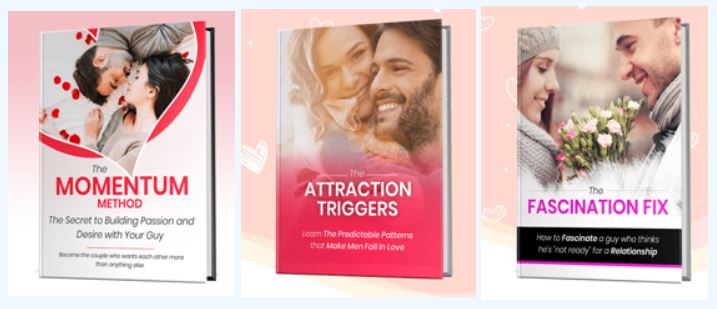
👉 Get instant access now.

Relationship Advice for Couples: Building a Stronger, Healthier, and Lasting Love

Every couple dreams of having a strong and fulfilling relationship, but love alone is not always enough to sustain a partnership through life’s ups and downs. Relationships require consistent effort, clear communication, empathy, and mutual respect. Whether you are newly in love or have been together for decades, seeking relationship advice for couples can provide valuable guidance for keeping your bond strong and resilient.

This comprehensive guide explores proven strategies that help couples navigate challenges, strengthen their connection, and create a healthy foundation for lasting love.

Why Relationship Advice for Couples Matters

Many couples believe that if they love each other, everything else will fall into place naturally. While love is powerful, it’s not always enough to overcome differences in communication, lifestyle, or values. Effective relationship advice for couples provides tools to handle conflict, improve intimacy, and grow together rather than apart.

Learning how to invest in your relationship ensures that both partners feel valued, supported, and understood.

The Foundations of a Healthy Relationship

Strong relationships are built on certain key pillars. These foundations make it easier to face challenges and celebrate victories together.

1. Communication

Open and honest communication is essential. Couples must be willing to share their feelings, needs, and concerns without fear of judgment. Misunderstandings often arise when partners assume instead of asking or avoid difficult conversations.

2. Trust

Trust is the backbone of every successful relationship. Building trust requires consistency, honesty, and reliability. Once broken, it takes time and effort to rebuild, but it is possible with commitment from both partners.

3. Respect

Respecting each other’s individuality, opinions, and boundaries fosters a safe and supportive environment. Even in disagreements, respect ensures that conversations remain constructive rather than destructive.

4. Quality Time

Spending intentional, uninterrupted time together strengthens emotional intimacy. This can include date nights, shared hobbies, or even simple routines like cooking dinner together.

5. Shared Goals

Couples who align their long-term goals and values are more likely to thrive. Discussing future plans about finances, family, and lifestyle helps avoid conflict and keeps both partners moving in the same direction.

Practical Relationship Advice for Couples

Prioritize Active Listening

Listening is just as important as speaking. Active listening means paying full attention, asking clarifying questions, and responding with empathy. It shows your partner that you value their feelings and perspective.

Keep Romance Alive

Routine and responsibilities often push romance aside. Make an effort to keep the spark alive with small gestures—leaving love notes, surprising your partner, or expressing affection regularly.

Manage Conflict Constructively

Disagreements are inevitable, but it’s how couples handle them that matters. Avoid yelling, blaming, or bringing up old arguments. Instead, focus on finding solutions and compromise.

Balance Independence and Togetherness

Healthy relationships allow space for individuality. Encourage your partner’s hobbies, friendships, and personal growth while also making time for shared experiences.

Practice Gratitude Daily

Expressing appreciation strengthens emotional connection. Simple acknowledgments like “thank you for cooking dinner” or “I appreciate your support” go a long way in nurturing love.

Never Stop Learning About Each Other

As people grow and change, relationships must evolve too. Stay curious about your partner’s dreams, fears, and goals. Ask questions and show genuine interest, even if you’ve been together for years.

Relationship Advice for Couples Facing Challenges

Every couple faces obstacles, whether it’s financial stress, parenting struggles, or communication breakdowns. Here are some tips to navigate difficult times:

  • Seek Professional Help: Couples therapy provides tools and neutral guidance.
  • Take Breaks During Arguments: Stepping away helps avoid saying hurtful things in the heat of the moment.
  • Focus on Solutions: Instead of dwelling on the problem, discuss what can be done to move forward.
  • Strengthen Emotional Intimacy: Share fears, vulnerabilities, and dreams to deepen connection.

Long-Term Habits That Strengthen Love

Couples who thrive over the long term usually share certain habits:

  • Regular Check-Ins: Ask how your partner is feeling emotionally and mentally.
  • Show Affection Daily: Physical touch, hugs, or even holding hands reinforces intimacy.
  • Celebrate Small Wins: Acknowledge progress and achievements, no matter how small.
  • Maintain Humor: Laughing together eases tension and creates joyful memories.
  • Grow Together: Take classes, travel, or explore new activities as a team.

When to Seek Outside Support

Sometimes, despite best efforts, couples struggle to resolve issues on their own. It’s important to know when to seek outside help. Professional counseling or relationship workshops can provide practical tools to rebuild trust, improve communication, and reignite intimacy.

Seeking support is not a sign of weakness; it is a proactive step toward building a healthier, stronger relationship.

Final Thoughts

Every relationship is unique, but the universal truth is that love thrives on effort, respect, and understanding. Seeking relationship advice for couples is not about fixing what is broken but about strengthening what already exists. By investing time, energy, and care into your partnership, you can create a bond that withstands challenges and grows deeper with time.

Remember: relationships don’t succeed by chance—they succeed by choice. Choosing to nurture, listen, and love intentionally will give you the fulfilling partnership you desire and deserve.

Finding the Balance: Independence vs. Intimacy in Modern Love

Have you ever wondered: “How do I stay true to myself without pushing my partner away?” If you have, you’re not alone. In today’s world, where personal freedom is celebrated, balancing independence and intimacy in a relationship can feel like walking a tightrope.

I’ve been there. For years, I thought being a “strong, independent person” meant handling everything on my own—no help, no vulnerability. But the more I clung to that belief, the more distant I felt from my partner. It wasn’t until I learned the art of balancing independence and intimacy that my relationship truly started to thrive.

In this post, I’ll share why this balance matters, the signs you might be tipping too far in one direction, and practical tips for finding harmony without losing yourself—or your connection.

Why Independence Matters in Love

Independence is attractive because it shows confidence, self-sufficiency, and strength. When you have your own hobbies, goals, and identity, you bring richness into the relationship. No one wants to feel like they’re responsible for someone else’s entire happiness.

But here’s the catch: Too much independence can turn into emotional distance. I once went through a phase where I insisted on handling every challenge alone—thinking it was a sign of strength. Instead, my partner felt shut out. Independence without openness can create walls instead of healthy space.

Why Intimacy Is Just as Important

On the flip side, intimacy—the emotional closeness and vulnerability that bonds couples—is what turns two people into a team. When you share your fears, your dreams, and your everyday joys, you deepen your connection.

However, too much togetherness can smother individuality. Ever seen couples who do absolutely everything together? While that looks cute on Instagram, in reality, it can lead to dependency and resentment.

Signs You’re Out of Balance

  • Too Independent?
    • You rarely ask your partner for help.
    • You feel guilty or “weak” when you lean on them.
    • Your partner says you seem distant or closed off.
  • Too Intimate (a.k.a. Over-Dependent)?
    • You feel anxious when your partner has alone time.
    • Most of your hobbies and friends are shared with them.
    • You base your self-worth on their attention.

How to Find the Balance

1. Maintain Your Identity

Keep your passions alive—whether it’s painting, hiking, or learning a language. Having something that’s yours makes you feel fulfilled and brings fresh energy into your relationship.

2. Share Your World

Being independent doesn’t mean being secretive. Talk about your goals and experiences. Let your partner see what lights you up—that’s intimacy without losing individuality.

3. Schedule Quality Time

Yes, actually put it on the calendar! With busy lives, intentional time together helps keep intimacy strong. Think date nights, tech-free dinners, or weekend getaways.

4. Ask for (and Offer) Support

This was a big one for me. Letting my partner help with small things—like proofreading a work email—made me realize that leaning on someone isn’t weakness; it’s trust.

5. Communicate Your Needs

If you need alone time, say it. If you’re craving closeness, speak up. Honest communication prevents misunderstanding and resentment.

My Takeaway

Finding balance isn’t about 50/50 all the time; it’s about flow. Some seasons of life demand more independence, others more intimacy. The key is staying aware and flexible.

When I started seeing independence and intimacy as partners instead of rivals, everything changed. I became more authentic, my partner felt more connected, and our love grew stronger than ever.

How to Stop Being Emotionally Dependent in a Relationship

Emotional dependency can feel like carrying a heavy backpack every day—you rely on your partner for validation, happiness, and security. I know this because I’ve been there. At one point in my life, I couldn’t go a single day without reassurance from my partner. If they didn’t text me back quickly, my mind spun into a storm of doubts.

Over time, I learned that this wasn’t love—it was fear. And fear isn’t a good foundation for a healthy relationship. If you’re struggling with emotional dependence, here’s what helped me break free and build a stronger sense of self.

What Is Emotional Dependency?

Emotional dependency is when your happiness, confidence, or sense of worth relies heavily on your partner’s actions or approval. It often shows up as:

  • Constantly seeking reassurance
  • Feeling anxious when your partner is busy or distant
  • Struggling to make decisions without their input
  • Losing interest in personal hobbies or friends

It feels like love, but it’s actually a lack of self-trust.

Why It’s Harmful

Being emotionally dependent can put enormous pressure on your relationship. Your partner might feel responsible for your happiness, and you might feel trapped in fear of losing them. Over time, this dynamic leads to resentment and insecurity.

The truth is: healthy love is about interdependence, not dependence—supporting each other while still maintaining individuality.

How I Stopped Being Emotionally Dependent

When I realized how much I relied on my partner to feel good about myself, I knew something had to change. Here are the steps that worked for me:

1. Acknowledge the Pattern

The first step was admitting I was emotionally dependent. I used to justify it as “I just love deeply,” but love isn’t about control or fear. Self-awareness was a game-changer.

2. Build Self-Worth Outside the Relationship

I started investing in things that made me feel alive: morning workouts, learning photography, and spending time with friends. When you create joy outside your relationship, you stop expecting one person to be your entire world.

3. Practice Emotional Independence Daily

I asked myself: If my partner is busy, what can I do for myself? Instead of waiting for a text, I’d read a book, cook a new recipe, or take a walk. Slowly, I felt less anxious and more confident.

4. Set Healthy Boundaries

Boundaries aren’t walls; they’re clarity. I communicated my needs honestly without demanding constant reassurance. This created space for trust to grow.

5. Seek Professional Support if Needed

Therapy was a big help for me. A counselor helped me uncover the root of my dependency—childhood experiences—and taught me healthier coping skills.

Signs You’re Becoming Emotionally Independent

  • You feel calm when your partner needs personal time
  • You have hobbies, goals, and friendships that matter to you
  • You validate your own feelings instead of seeking constant approval
  • You can love without fear of losing yourself

Final Thoughts

Breaking free from emotional dependency isn’t about loving less—it’s about loving better. When you feel whole on your own, your relationship becomes stronger, not weaker.

If you’re struggling with emotional dependence, remember this: You are already enough. A partner is a beautiful addition, not a missing piece.