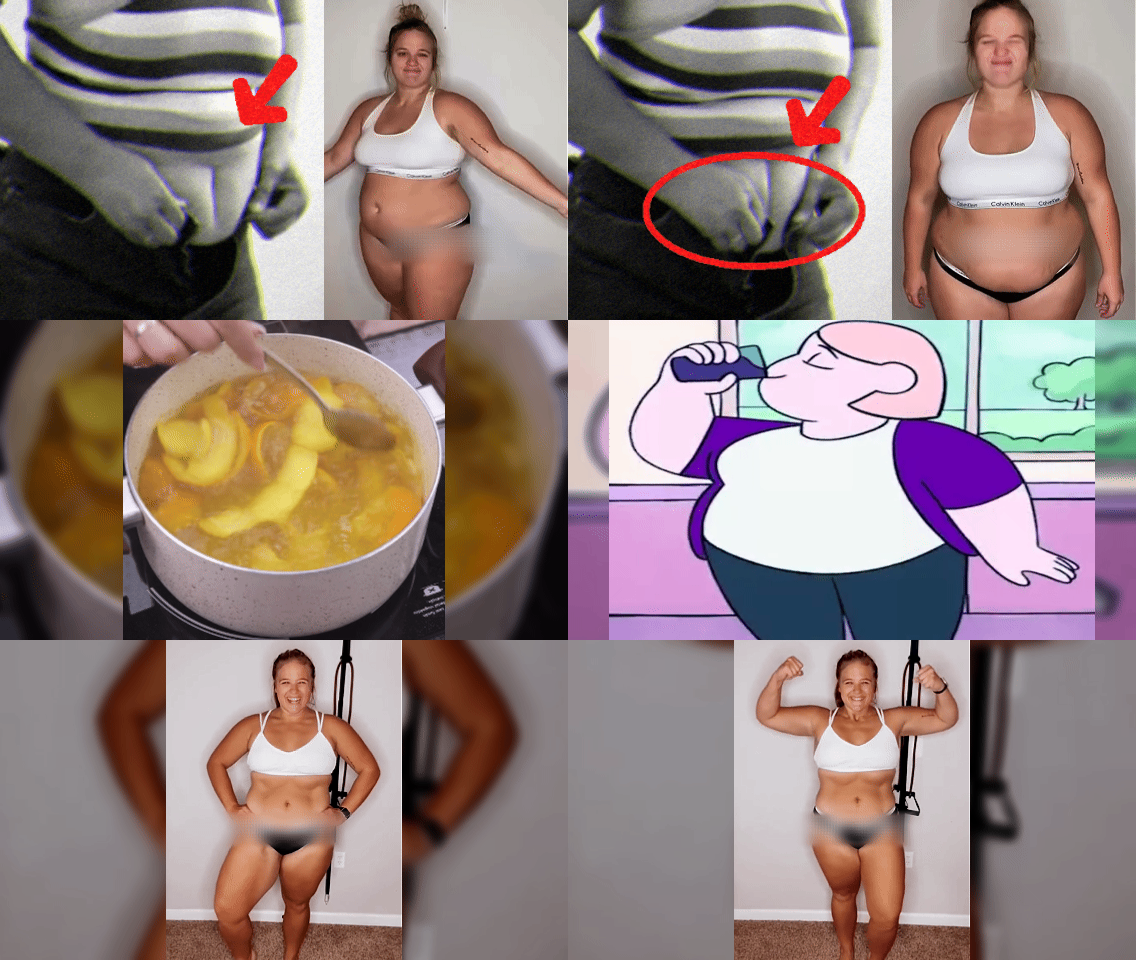
Many people believe that simply “eating healthy” should automatically lead to weight loss. You swap fast food for salads, drink smoothies instead of soda, and choose whole foods whenever possible. Yet weeks or even months pass, and the scale barely moves. It can feel frustrating, confusing, and sometimes even discouraging.
The truth is that weight loss is more complex than just eating foods labeled as healthy. Many hidden factors can quietly sabotage your progress without you realizing it. Understanding these obstacles can help you adjust your habits and finally see the results you’ve been working toward.
If you’ve been wondering why your body isn’t responding despite your efforts, here are nine hidden reasons you may not be losing weight even when you eat healthy.
1. You’re Eating More Calories Than You Think
One of the most common reasons weight loss stalls is simple: calorie intake still exceeds calorie expenditure.
Healthy foods can still be calorie-dense. Foods like nuts, avocados, olive oil, granola, and smoothies are nutritious, but they can contain hundreds of calories in small portions. A few extra servings throughout the day can quickly add up.
For example, a salad with avocado, nuts, cheese, and dressing can easily exceed 600–800 calories. While the ingredients are healthy, the total energy intake may still prevent a calorie deficit.
Tracking your food intake for a few weeks can reveal hidden calories and help you understand portion sizes more accurately.
2. “Healthy” Processed Foods Are Fooling You
Food marketing often labels products as organic, natural, gluten-free, or low-fat. While these labels sound healthy, they don’t always mean the food is good for weight loss.
Protein bars, smoothie bowls, packaged granola, and plant-based snacks often contain added sugars, refined oils, and high calorie counts.
A smoothie bowl may look nutritious, but once topped with granola, honey, nut butter, and dried fruit, it can reach 700–1000 calories.
Reading nutrition labels and understanding ingredients can help you avoid these hidden calorie traps.
3. You’re Drinking Your Calories
Liquid calories are one of the most overlooked barriers to weight loss.
Even if you eat healthy meals, drinks like the following can quietly add hundreds of calories:
Fruit smoothies
Fresh juices
Sweetened coffee drinks
Plant-based milk beverages
Sports drinks
Liquid calories are especially tricky because they do not create the same feeling of fullness as solid foods. This means you may consume more calories without realizing it.
Switching to water, unsweetened tea, or black coffee can significantly reduce daily calorie intake.
4. You’re Not Getting Enough Protein
Protein plays a crucial role in weight loss because it helps control hunger and maintain muscle mass.
Without enough protein, you may experience frequent cravings and feel hungry shortly after meals. This can lead to snacking or overeating later in the day.
Protein also supports metabolism by increasing the thermic effect of food, meaning your body burns more calories digesting it.
Good sources of protein include:
Eggs
Greek yogurt
Fish
Lean meats
Tofu
Legumes
Protein-rich dairy products
Aim to include a quality protein source in every meal to help stabilize appetite and energy levels.
5. Lack of Sleep Is Slowing Your Metabolism
Sleep is often underestimated when it comes to weight loss. However, poor sleep can significantly impact hormones that regulate hunger and metabolism.
When you don’t get enough sleep:
The hunger hormone ghrelin increases
The fullness hormone leptin decreases
Cravings for sugary and high-calorie foods rise
Research shows that sleep deprivation can lead to increased calorie consumption the following day.
If you’re consistently sleeping less than 6–7 hours per night, your body may struggle to lose weight regardless of how healthy your diet is.
Prioritizing sleep may be one of the most powerful lifestyle changes for improving weight loss results.
6. Stress Is Keeping Your Body in Fat Storage Mode
Chronic stress increases the production of cortisol, a hormone that can promote fat storage, particularly around the abdomen.
When cortisol levels remain elevated for long periods, your body may hold onto energy reserves as a survival response.
Stress can also lead to emotional eating, cravings for comfort foods, and decreased motivation for exercise.
Common sources of stress include:
Work pressure
Financial concerns
Relationship conflicts
Lack of rest or personal time
Incorporating stress management practices such as meditation, walking, journaling, or deep breathing can help restore hormonal balance and support weight loss.
7. You’re Not Moving Enough Throughout the Day
Exercise is important, but daily movement matters just as much.
Many people work out for 30–60 minutes and then remain sedentary for the rest of the day. This limits total calorie expenditure.
Non-exercise activity thermogenesis (NEAT) refers to calories burned through everyday movement such as walking, standing, cleaning, and taking the stairs.
Small habits can significantly increase daily energy expenditure:
Taking short walking breaks
Standing while working
Using stairs instead of elevators
Doing household chores
Increasing daily movement can boost metabolism and accelerate weight loss without requiring intense workouts.
8. Your Gut Health May Be Affecting Weight Loss
Emerging research shows that gut bacteria can influence metabolism, appetite, and fat storage.
An imbalance in gut microbiota may make it harder for your body to process nutrients efficiently or regulate hunger signals.
Poor gut health is often associated with diets high in processed foods, sugar, and artificial additives.
Supporting gut health may involve:
Eating more fiber-rich foods
Consuming fermented foods like yogurt or kimchi
Reducing ultra-processed foods
Drinking adequate water
A healthy gut can improve digestion, energy levels, and metabolic function.
9. Your Expectations Are Unrealistic
Many people expect rapid weight loss, but healthy and sustainable weight loss tends to occur gradually.
Losing 0.5 to 1 kilogram per week is generally considered a realistic and healthy pace.
Weight can also fluctuate due to water retention, hormonal cycles, sodium intake, and muscle gain. This means the scale may not always reflect true progress.
Instead of focusing solely on weight, consider other signs of progress:
Improved energy levels
Better sleep
Looser-fitting clothes
Increased strength
Improved mood
Consistency over time is what ultimately leads to lasting results.
How to Break Through a Weight Loss Plateau
If you’ve been eating healthy but still aren’t losing weight, consider making these adjustments:
Track your food intake for awareness
Increase protein consumption
Improve sleep quality
Manage stress levels
Increase daily movement
Focus on whole, minimally processed foods
Stay patient and consistent
Weight loss is rarely about a single factor. Instead, it is the result of many small habits working together.
Final Thoughts
Eating healthy is an important step toward better health, but it is not always enough on its own to guarantee weight loss. Hidden factors such as sleep, stress, portion sizes, daily movement, and hormonal balance can all influence your results.
The key is not to become discouraged. Instead, use this information as a guide to refine your habits and better understand how your body responds to different lifestyle choices.
Sustainable weight loss is a journey built on awareness, consistency, and patience. By addressing these hidden obstacles, you can move closer to your goals and create a healthier lifestyle that lasts long beyond the number on the scale.