
21-Day Self-Love Handbook Through Small Actions

Self-love is often misunderstood as something grand, dramatic, or life-changing overnight. In reality, it is built quietly—through small, consistent actions that reshape how you see and treat yourself every single day.

If you’ve ever felt disconnected, overwhelmed, or like you’re constantly chasing a version of yourself that feels out of reach, this 21-day self-love handbook is your invitation to slow down and return to what truly matters: your relationship with yourself.

This guide is designed for those who are seeking personal development in a gentle, sustainable way. No pressure. No perfection. Just small actions that create real, lasting change.

Why 21 Days Can Change Your Relationship with Yourself

There’s a reason many personal growth practices are structured around 21 days. It’s long enough to build awareness and short enough to stay committed.

But more importantly, 21 days gives you space to:

  • Break unconscious patterns
  • Build new emotional habits
  • Reconnect with your inner voice

Self-love is not a destination. It’s a practice. And like any practice, it strengthens through repetition.

Over the next 21 days, you won’t try to become someone new. Instead, you’ll gently remove the layers that have been disconnecting you from who you already are.

How to Use This 21-Day Self-Love Handbook

Before we begin, here are a few simple principles to guide you:

  • Keep it simple: Each action is small by design
  • Be honest: There’s no benefit in pretending
  • Be consistent: Show up, even when it feels unnecessary
  • Be kind: You are not here to judge yourself

You can journal your experience, reflect quietly, or simply practice the actions throughout your day.

Now, let’s begin.

Week 1: Awareness and Reconnection

The first 7 days are about noticing—your thoughts, emotions, habits, and inner dialogue.

Day 1: Check In With Yourself

Pause for a few minutes and ask: “How am I really feeling today?”
No filters. No “I’m fine.” Just honesty.

Day 2: Write Without Judgment

Take 10 minutes to write whatever comes to mind. Don’t edit. Don’t correct. Let your thoughts flow.

Day 3: Notice Your Self-Talk

Pay attention to how you speak to yourself throughout the day. Would you say those words to someone you love?

Day 4: Identify One Emotional Need

What do you need right now? Rest? Space? Support? Acknowledge it.

Day 5: Spend Time Alone Intentionally

Not out of loneliness, but connection. Sit with yourself without distractions.

Day 6: Let Yourself Feel

Instead of avoiding discomfort, allow yourself to feel one difficult emotion fully.

Day 7: Reflect Without Criticism

Look back on the week. Notice patterns, not flaws.

Week 2: Boundaries and Self-Respect

Now that you’re more aware, it’s time to start choosing yourself.

Day 8: Say “No” Once

Set one boundary today. It can be small, but make it real.

Day 9: Stop Over-Explaining

Practice giving a simple answer without justifying your decision.

Day 10: Protect Your Energy

Limit one thing that drains you—social media, negative conversations, or overworking.

Day 11: Choose Comfort Over Approval

Wear something, do something, or say something that feels right for you—not for others.

Day 12: Take a Break Without Guilt

Rest, even if your to-do list is not complete.

Day 13: Distance from Comparison

Avoid comparing yourself to others for one full day.

Day 14: Honor Your Limits

Notice when you feel tired or overwhelmed—and respond with care, not pressure.

Week 3: Self-Trust and Inner Growth

The final 7 days focus on building trust within yourself.

Day 15: Keep One Promise to Yourself

Choose something small—and follow through.

Day 16: Celebrate a Small Win

Acknowledge something you did well today, no matter how small.

Day 17: Speak Kindly to Yourself

Replace one negative thought with a compassionate one.

Day 18: Do Something Just for You

Not for productivity. Not for validation. Just because you want to.

Day 19: Let Go of One Expectation

Release one unrealistic standard you’ve been holding onto.

Day 20: Visualize Your Future Self

Imagine a version of you who fully loves and trusts themselves. How do they live? Think? Feel?

Day 21: Write a Letter to Yourself

Reflect on the past 21 days. Write a message of understanding, encouragement, and appreciation to yourself.

What Changes After 21 Days?

You may not feel completely transformed—and that’s okay.

But you will notice subtle shifts:

  • You pause before criticizing yourself
  • You recognize your needs more clearly
  • You feel less dependent on external validation
  • You begin to trust your own voice

These are not small changes. They are foundational.

Because once you start showing up for yourself consistently, everything else begins to shift—your confidence, your relationships, your decisions.

The Power of Small Actions

Many people delay self-love because they believe it requires big changes: a new life, a new mindset, a new version of themselves.

But the truth is simpler.

Self-love is built in the smallest moments:

  • The way you speak to yourself when you make a mistake
  • The way you respond when you feel tired
  • The way you honor your boundaries

These moments may seem insignificant, but they define your relationship with yourself.

And when that relationship improves, your entire life follows.

Final Thoughts

You don’t need to wait for a better version of yourself to begin loving who you are.

You don’t need to earn rest, prove your worth, or fix every flaw.

You just need to start—gently, honestly, and consistently.

This 21-day self-love handbook is not about becoming perfect. It’s about becoming present.

It’s about choosing yourself, even in the smallest ways.

And if you continue beyond these 21 days, you’ll realize something powerful:

Self-love is not something you find.
It’s something you practice.

Every day.

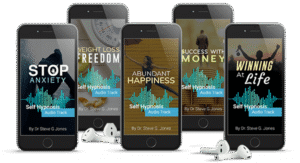
[Free Gift] Life-Changing Self Hypnosis Audio Track
Self-Love Is Not Selfish – It’s The Bravest Act You Can Take

In a world that constantly tells you to give more, do more, and be more for others, choosing yourself can feel uncomfortable—even wrong. You’ve probably been taught, directly or indirectly, that putting your needs first is selfish. That caring deeply about your own well-being somehow takes away from others.

But what if the opposite is true?

What if self-love isn’t selfish at all… but one of the most courageous decisions you can make?

This article is a deep dive into what self-love really means, why so many people struggle with it, and how you can begin building a healthier, more compassionate relationship with yourself—without guilt, without shame, and without apology.

What Self-Love Really Means (And What It Doesn’t)

Self-love is often misunderstood. It’s not about arrogance, narcissism, or thinking you’re better than others. It’s not about ignoring your flaws or pretending everything is perfect.

True self-love is grounded in honesty and compassion.

It means:

  • Accepting who you are, including your imperfections
  • Taking responsibility for your growth
  • Setting boundaries that protect your peace
  • Choosing what nourishes you emotionally, mentally, and physically

Self-love is not about inflating your ego—it’s about stabilizing your inner world.

It’s the quiet decision to treat yourself with the same kindness you offer to others.

Why Self-Love Feels So Difficult

If self-love is so important, why does it feel so hard?

Because most people were never taught how to do it.

From a young age, many of us learned to seek validation externally. Praise, approval, and love often came from meeting expectations—being “good,” being helpful, being successful. Over time, we internalized a dangerous belief:

“I am worthy only when I am useful to others.”

This belief creates a pattern where:

  • You prioritize others at your own expense
  • You feel guilty when you rest
  • You fear being seen as selfish
  • You ignore your own emotional needs

Breaking this pattern requires courage. It means challenging everything you’ve been conditioned to believe.

And that’s why self-love is a brave act.

The Hidden Cost of Not Loving Yourself

When you neglect yourself long enough, it doesn’t just affect your mood—it shapes your entire life.

You may find yourself:

  • Staying in unhealthy relationships
  • Overworking to prove your worth
  • Feeling empty even when everything looks “fine”
  • Struggling with burnout and emotional exhaustion

Without self-love, your decisions are often driven by fear, not clarity.

You say yes when you want to say no.
You tolerate what you don’t deserve.
You chase approval instead of alignment.

And slowly, you lose connection with who you truly are.

Why Self-Love Is Actually Selfless

Here’s the truth most people don’t talk about:

When you don’t love yourself, you unintentionally place the burden of your happiness on others.

You expect people to validate you, complete you, or fix what you haven’t healed within yourself.

But when you practice self-love:

  • You become emotionally independent
  • You give without expecting in return
  • You build healthier, more balanced relationships
  • You show up as your authentic self

Self-love doesn’t take away from others—it enhances how you connect with them.

You can’t pour from an empty cup.
And loving yourself is how you fill it.

The Courage It Takes to Choose Yourself

Choosing yourself is not easy.

It means:

  • Saying no when others expect yes
  • Walking away from what no longer serves you
  • Facing your insecurities instead of avoiding them
  • Letting go of the need for constant approval

These choices can feel uncomfortable, even painful.

People might not understand. Some may even resist the new version of you—especially if they benefited from your lack of boundaries.

But growth often feels like loss before it feels like freedom.

And every time you choose yourself, you reinforce a powerful message:

“I matter.”

Practical Ways to Start Loving Yourself Today

Self-love isn’t built overnight. It’s a daily practice—one small decision at a time.

Here are some realistic, actionable ways to begin:

1. Pay Attention to Your Inner Voice

Notice how you talk to yourself.

Are you constantly criticizing, doubting, or comparing?

Start replacing harsh thoughts with supportive ones. Not fake positivity—but balanced, compassionate truth.

Instead of: “I’m not good enough”
Try: “I’m still growing, and that’s okay”

2. Set Boundaries Without Guilt

You are allowed to protect your energy.

Saying no doesn’t make you a bad person—it makes you a self-respecting one.

Boundaries are not walls. They are guidelines for how others can treat you.

3. Prioritize Rest Without Shame

Rest is not a reward—it’s a necessity.

You don’t have to earn the right to slow down.

Taking care of your body and mind is part of loving yourself, not avoiding responsibility.

4. Stop Chasing Validation

Not everyone will understand you. Not everyone will approve of your choices.

And that’s okay.

Your life is not meant to be lived according to other people’s expectations.

Learn to validate yourself.

5. Reconnect With What You Love

What brings you joy?

Not what looks productive. Not what impresses others.

But what genuinely makes you feel alive.

Self-love includes giving yourself permission to experience joy without justification.

The Transformation That Comes With Self-Love

When you truly start loving yourself, everything begins to change.

You no longer:

  • Settle for less than you deserve
  • Seek constant approval
  • Fear being alone

Instead, you:

  • Make decisions from confidence, not insecurity
  • Build relationships based on respect, not dependency
  • Feel at peace with who you are becoming

Self-love doesn’t make life perfect—but it makes you stronger, calmer, and more grounded.

It becomes your foundation.

You Are Not Behind—You Are Beginning

If you’re just starting this journey, remember this:

You are not late.
You are not broken.
You are not too far gone.

You are simply learning something you were never taught.

And every small step you take toward yourself matters.

Even on the days when it feels hard.
Even on the days when you doubt your progress.

Especially on those days.

Final Thoughts: Choosing Yourself Is the Bravest Thing You’ll Ever Do

Self-love is not loud. It doesn’t always look like confidence or success.

Sometimes, it looks like:

  • Walking away quietly
  • Resting when no one understands
  • Starting over when it would be easier to stay the same

It’s a deeply personal, often invisible act of courage.

But it changes everything.

Because when you finally learn to love yourself, you stop looking for someone else to complete you.

You realize you were whole all along.

And from that place, you don’t just survive—you truly begin to live.

[Free Gift] Life-Changing Self Hypnosis Audio Track

The Ultimate Guide to Improve Self Esteem and Transform Your Life

Building confidence and a positive self-image is a journey that can profoundly impact every area of your life. Learning how to improve self esteem is not just about feeling good in the moment—it is about creating lasting habits that enhance your mental, emotional, and even physical well-being. In this comprehensive guide, we will explore what self-esteem really means, why it matters, practical strategies to improve self esteem, and common challenges people face along the way.

What is Self-Esteem and Why Does It Matter?

Self-esteem refers to how we perceive ourselves, the value we assign to our own abilities, and the degree to which we feel worthy of love, respect, and success. People with healthy self-esteem tend to approach challenges with resilience, maintain better relationships, and feel more fulfilled in their personal and professional lives. On the other hand, low self-esteem can lead to self-doubt, anxiety, and even depression.

Improving self-esteem is essential because it influences:

  • Decision-Making: When you feel confident in your worth, you make choices that align with your values.
  • Relationships: Healthy self-esteem fosters stronger, more authentic connections.
  • Career Success: Confidence enables you to take risks, pursue opportunities, and assert yourself effectively.
  • Mental Health: High self-esteem acts as a buffer against stress, anxiety, and negative self-talk.

Common Signs of Low Self-Esteem

Before learning how to improve self esteem, it is important to recognize the signs of low self-worth. These can include:

  • Constant self-criticism and negative self-talk.
  • Fear of failure or avoidance of new challenges.
  • Difficulty accepting compliments or praise.
  • People-pleasing tendencies or fear of confrontation.
  • Social withdrawal or feelings of inadequacy.

Understanding these patterns is the first step toward making meaningful change.

Strategies to Improve Self Esteem

Improving self-esteem requires consistent effort and self-awareness. Here are practical strategies to start building confidence and self-worth:

1. Practice Self-Compassion

Being kind to yourself during times of failure or difficulty is essential. Self-compassion involves treating yourself as you would a close friend—acknowledging mistakes without harsh judgment and embracing imperfections. Journaling positive affirmations can reinforce this practice.

2. Set Realistic Goals

Setting achievable, meaningful goals helps build competence and confidence. Break larger goals into small, manageable steps and celebrate progress along the way. This habit reinforces your ability to succeed and improves self-esteem over time.

3. Challenge Negative Self-Talk

Pay attention to internal dialogue that undermines your confidence. When you notice negative thoughts, challenge them by asking, “Is this really true?” Replace self-criticism with empowering, realistic statements.

4. Develop Healthy Boundaries

Learning to say no and protecting your personal space is crucial. Establishing boundaries shows self-respect and reinforces your sense of value, which directly contributes to improved self-esteem.

5. Prioritize Self-Care

Physical and mental self-care significantly influence self-worth. Exercise, balanced nutrition, adequate sleep, and relaxation practices like meditation or yoga enhance mood, energy, and confidence.

6. Surround Yourself with Positive Influences

The company you keep can impact how you see yourself. Engage with people who uplift, support, and inspire you. Limit exposure to negative or toxic individuals that erode your self-confidence.

7. Learn New Skills

Gaining new knowledge or skills not only enhances competence but also strengthens your belief in your abilities. Whether it’s a hobby, professional skill, or personal interest, growth reinforces a positive self-image.

8. Practice Gratitude

Acknowledging your achievements, qualities, and daily blessings shifts focus from self-criticism to appreciation. Keeping a gratitude journal can foster a positive mindset and reinforce improved self-esteem.

9. Seek Professional Help if Needed

Therapists and counselors are trained to help individuals address deep-seated self-esteem issues. Therapy can provide tools to navigate self-doubt, past trauma, or persistent negative thinking patterns effectively.

Common Pitfalls When Trying to Improve Self Esteem

While working on self-worth, people often encounter obstacles. Being aware of these can help you maintain progress:

  • Comparing Yourself to Others: Constant comparison undermines confidence. Focus on your unique strengths and growth.
  • Seeking External Validation: Relying on others’ approval can lead to dependency. Learn to validate yourself internally.
  • Perfectionism: Expecting perfection creates unrealistic standards and reinforces self-criticism.

Daily Habits to Improve Self Esteem

Incorporating small, consistent habits can make a big difference:

  • Start each day with positive affirmations.
  • Track achievements, no matter how small.
  • Celebrate progress instead of focusing on setbacks.
  • Dedicate time to hobbies that make you feel competent and happy.
  • Practice mindfulness to stay present and reduce negative self-talk.

How Improving Self-Esteem Impacts Your Life

Investing in self-esteem has a ripple effect across multiple areas of life:

  • Relationships: You attract healthier, more fulfilling connections.
  • Career: You approach challenges with confidence and resilience.
  • Health: Reduced stress levels and healthier lifestyle choices emerge naturally.
  • Happiness: Life feels more meaningful when you value yourself and your abilities.

Conclusion

Learning how to improve self esteem is a journey, not a one-time effort. By practicing self-compassion, setting realistic goals, challenging negative thoughts, and cultivating supportive habits, anyone can build a stronger sense of self-worth. The key is consistency, patience, and a willingness to grow. Start today by taking small steps to recognize your value, celebrate your strengths, and embrace the person you are becoming. Over time, these practices will not only improve self-esteem but also transform your life in profound and lasting ways.

[Free Gift] Life-Changing Self Hypnosis Audio Track