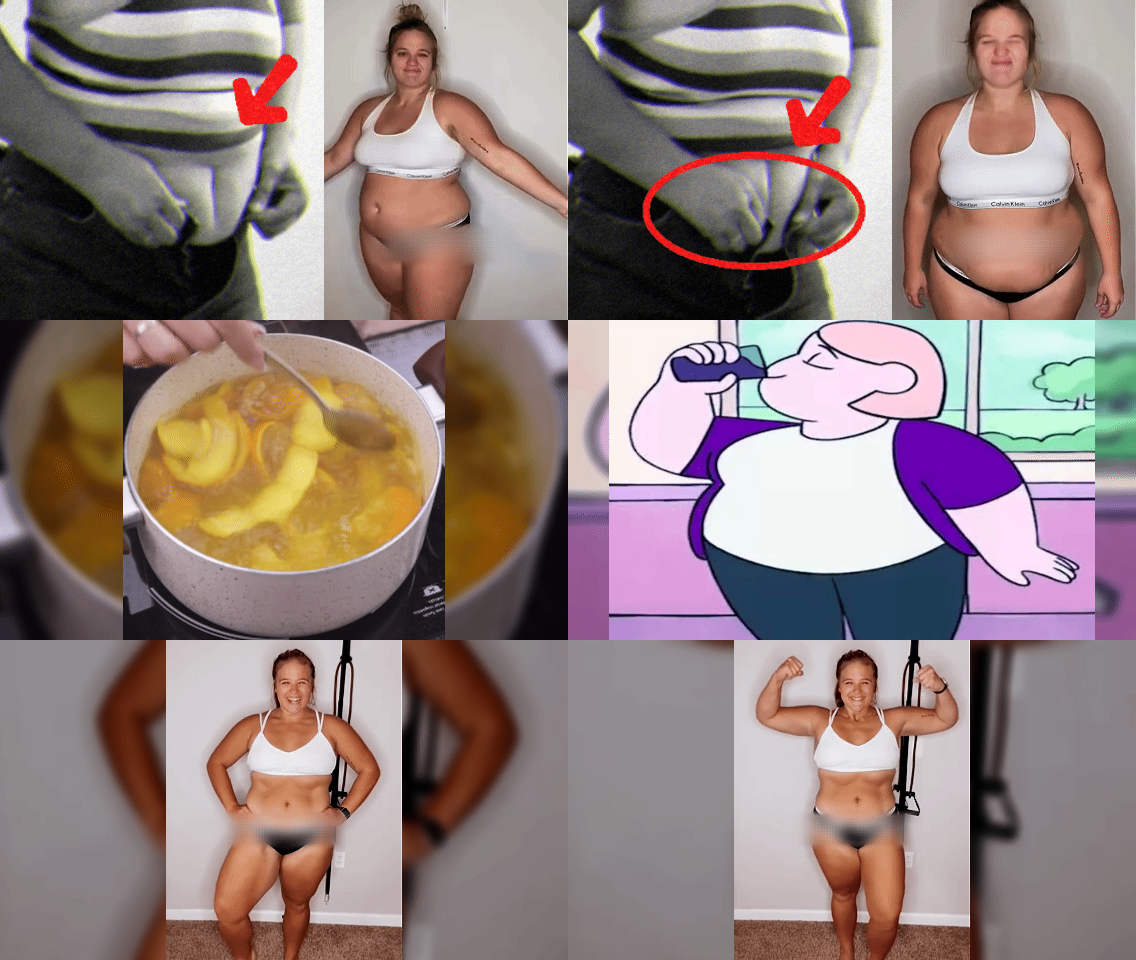
Belly fat is one of the most frustrating challenges for people trying to lose weight. You may be eating healthier, exercising regularly, and even reducing calories, yet the fat around your stomach refuses to disappear. This stubborn fat can make it feel like your efforts are pointless, leading to discouragement and confusion.
The truth is that belly fat is not just about eating too much or exercising too little. There are deeper biological and lifestyle factors involved that most people never hear about. Understanding these hidden causes can completely change the way you approach weight loss and help you finally start seeing real progress.
In this article, we will explore the real reasons belly fat persists, the science behind stubborn abdominal fat, and what you can do to support your body’s natural ability to burn fat more effectively.
Why Belly Fat Is So Difficult to Lose
Not all body fat behaves the same way. Fat stored in the abdominal area is biologically different from fat stored in other parts of the body.
Belly fat, especially visceral fat, is metabolically active. It surrounds important organs such as the liver and intestines and is strongly connected to hormones, stress levels, sleep patterns, and metabolism.
Because of this, losing belly fat requires more than just reducing calories. Your body must be in the right hormonal and metabolic state to release this stored energy.
When your body senses stress, hormonal imbalance, or metabolic slowdown, it becomes extremely protective of belly fat. This is one of the main reasons people struggle with abdominal weight even when they are dieting.
The Hidden Role of Metabolism
One of the biggest reasons belly fat refuses to disappear is a slow metabolism.
Your metabolism determines how efficiently your body converts food into energy and how easily it burns stored fat. When metabolism slows down, the body becomes more efficient at storing energy rather than burning it.
Several factors can cause metabolic slowdown:
Long-term dieting
Chronic stress
Poor sleep
Aging
Hormonal imbalances
Lack of muscle mass
When metabolism becomes sluggish, your body may burn fewer calories than expected. This means even a modest amount of food can lead to fat storage, especially around the abdomen.
Many people mistakenly believe they simply lack discipline, when in reality their metabolism is working against them.
Stress and the Belly Fat Connection
Stress is one of the most overlooked causes of stubborn belly fat.
When you are under constant stress, your body releases a hormone called cortisol. Cortisol prepares the body for survival by increasing blood sugar and promoting fat storage.
Unfortunately, cortisol tends to store fat specifically in the abdominal region.
This means that even if you are eating well, high stress levels can prevent your body from burning belly fat efficiently.
Common sources of chronic stress include:
Work pressure
Financial worries
Relationship conflicts
Lack of rest
Emotional burnout
When stress becomes a daily experience, your body shifts into a protective mode that prioritizes fat storage.
The Sleep Factor
Sleep plays a massive role in weight management, yet it is often ignored.
Research consistently shows that people who sleep less than six hours per night are significantly more likely to gain weight and accumulate belly fat.
Poor sleep affects several hormones involved in appetite and fat burning, including:
Leptin, which signals fullness
Ghrelin, which stimulates hunger
Insulin, which regulates blood sugar
When sleep is insufficient, hunger hormones increase while fullness signals decrease. As a result, you may crave more high-calorie foods and feel less satisfied after eating.
Over time, this hormonal imbalance contributes to increased belly fat.
Hormones That Influence Belly Fat
Hormones act like messengers that control how your body stores and burns fat.
When these hormones are out of balance, fat loss becomes much more difficult.
Some of the key hormones involved include:
Insulin
Cortisol
Estrogen
Testosterone
Thyroid hormones
For example, high insulin levels encourage fat storage and prevent fat breakdown. Insulin resistance is one of the most common metabolic issues associated with stubborn belly fat.
Similarly, thyroid hormones regulate metabolism. When thyroid activity slows, fat burning becomes less efficient.
This is why some people struggle to lose belly fat despite eating less and exercising more.
The Impact of Dieting Too Much
Ironically, excessive dieting can make belly fat harder to lose.
When the body experiences long periods of calorie restriction, it interprets this as a potential threat to survival. In response, it lowers metabolic rate and conserves energy.
This metabolic adaptation can make weight loss stall or even reverse.
Over time, chronic dieting can lead to:
Reduced metabolic rate
Increased hunger
Lower energy levels
Greater fat storage
Instead of constantly cutting calories, a more balanced and sustainable approach to nutrition often leads to better long-term results.
Why Exercise Alone Isn’t Enough
Exercise is essential for health, but it is not always enough to eliminate belly fat.
Many people rely heavily on cardio workouts while neglecting other factors such as strength training, sleep, and nutrition quality.
While cardio burns calories during the workout, building muscle through resistance training helps increase metabolic rate throughout the day.
Muscle tissue burns more energy than fat tissue, meaning the more muscle you have, the more calories your body naturally burns.
This is why combining strength training with a balanced lifestyle is more effective for reducing belly fat.
The Role of Inflammation
Chronic inflammation is another hidden contributor to abdominal fat storage.
Inflammation can be triggered by several lifestyle factors, including:
Highly processed foods
Excess sugar consumption
Poor gut health
Chronic stress
Lack of sleep
When inflammation is present, the body becomes less efficient at regulating blood sugar and fat metabolism.
This creates an environment where belly fat accumulation becomes more likely.
Reducing inflammation through healthier food choices and lifestyle habits can significantly support fat loss efforts.
Gut Health and Belly Fat
Your gut microbiome plays a powerful role in weight regulation.
The trillions of bacteria in your digestive system influence how your body processes food, stores fat, and regulates hunger.
An imbalance in gut bacteria can lead to:
Increased cravings
Poor blood sugar control
Slower metabolism
Greater fat storage
Improving gut health by consuming fiber-rich foods, fermented foods, and whole ingredients can help restore metabolic balance.
Sustainable Strategies to Reduce Belly Fat
Instead of chasing quick fixes, focusing on sustainable habits can help your body gradually release stubborn fat.
Some effective strategies include:
Prioritizing high-quality sleep
Managing daily stress
Building lean muscle through strength training
Eating whole, nutrient-dense foods
Supporting gut health
Avoiding extreme calorie restriction
These lifestyle changes work together to create an environment where your body feels safe enough to burn stored fat.
The Psychological Side of Weight Loss
Weight loss is not just physical. It also involves mindset and emotional health.
Many people carry guilt, frustration, or shame related to their body and eating habits. These emotions can create a cycle of stress and self-criticism that actually makes weight loss harder.
Developing a compassionate and patient mindset can improve long-term success.
Instead of focusing on rapid results, shifting your attention toward building healthier daily habits can lead to lasting change.
Why Patience Is Essential
Belly fat often takes longer to disappear than fat in other areas of the body.
This does not mean your efforts are failing. It simply means your body is gradually adapting.
When you support your metabolism, reduce stress, and improve lifestyle habits, fat loss becomes more sustainable.
Consistency over time is far more powerful than short bursts of extreme dieting or exercise.
The Bigger Picture of Health
While many people focus on losing belly fat for aesthetic reasons, the deeper goal should always be improving overall health.
Reducing abdominal fat can lower the risk of several health conditions, including:
Heart disease
Type 2 diabetes
Metabolic syndrome
High blood pressure
By focusing on metabolic health rather than just weight, you create a foundation for long-term wellbeing.
Final Thoughts
If your belly fat refuses to go away, it does not necessarily mean you are doing something wrong. Often, the real issue lies beneath the surface in factors like metabolism, hormones, stress, sleep, and lifestyle patterns.
Understanding these deeper causes can transform the way you approach weight loss.
Instead of fighting your body with extreme diets or exhausting workouts, the key is learning how to work with your body’s natural systems.
When you support your metabolism, balance your hormones, reduce stress, and build sustainable habits, your body becomes much more capable of releasing stubborn belly fat.
Weight loss is rarely about one single factor. It is the result of many small improvements that work together over time.
Be patient with your body, stay consistent with healthy habits, and focus on progress rather than perfection. Over time, those changes can lead to meaningful and lasting transformation.