iGenics Eye Supplement Review: Does It Really Improve Vision?

Eye health is one of the most important aspects of overall well-being, yet it’s often overlooked until vision problems begin to appear. As we age, it’s natural for our eyesight to decline due to oxidative stress, blue light exposure, poor nutrition, and age-related conditions such as macular degeneration or cataracts. Many people are now turning to natural supplements to support their eye health, and one of the most talked-about products in this space is iGenics Eye Supplement.

In this in-depth review, we’ll explore what iGenics is, its ingredients, potential benefits, scientific background, pros and cons, and whether it truly delivers on its promise to improve vision naturally and safely.

What Is iGenics?

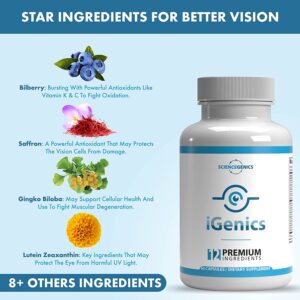
iGenics is a dietary supplement formulated specifically for eye health. It claims to help reduce oxidative stress, protect against blue light damage, and slow down age-related vision decline. Marketed as a natural solution, it contains a blend of plant-based antioxidants, vitamins, and minerals that have been studied for their positive impact on vision.

The supplement is designed not just for people with existing eye problems but also for those who want to protect their eyesight proactively. Whether you’re dealing with blurry vision, eye strain from screens, or concerns about long-term vision loss, iGenics positions itself as a preventive and restorative option.

Key Ingredients in iGenics

The effectiveness of any supplement depends largely on its ingredients. iGenics includes several compounds that have been widely studied for their vision benefits:

1. Lutein and Zeaxanthin

Known as the “eye vitamins,” these carotenoids act as natural filters against harmful blue light and oxidative stress. They are highly concentrated in the retina and are essential for maintaining sharp vision and preventing macular degeneration.

2. Bilberry Extract

Bilberries are rich in anthocyanins, powerful antioxidants that improve blood circulation in the eyes, reduce inflammation, and may help with night vision.

3. Ginkgo Biloba

This ancient herb supports blood flow to the retina and optic nerve, potentially reducing the risk of vision decline caused by poor circulation.

4. Vitamin C, E, and Zinc

These nutrients are known for their protective role against oxidative stress, which is one of the leading causes of age-related vision decline. Studies also link zinc deficiency to impaired night vision.

5. Saffron Extract

Saffron has been studied for its potential to improve retinal function and slow down age-related macular degeneration.

Together, these ingredients form a comprehensive blend aimed at protecting, restoring, and enhancing vision naturally.

How Does iGenics Work?

iGenics works by addressing the root causes of vision decline:

  • Oxidative Stress: Free radicals damage eye cells, especially in the retina. iGenics uses antioxidants to neutralize these effects.
  • Blue Light Exposure: With increased screen time, eyes are more exposed to blue light, which can cause long-term retinal damage. Lutein and zeaxanthin act as natural filters.
  • Poor Blood Flow: Ingredients like ginkgo biloba and bilberry support healthy circulation to ensure the eyes receive enough oxygen and nutrients.
  • Inflammation: Chronic inflammation accelerates eye damage. The herbal extracts in iGenics provide anti-inflammatory support.

By combining these mechanisms, iGenics aims to not only protect your eyes but also improve visual clarity and long-term eye health.

Potential Benefits of iGenics

Based on its ingredients and formulation, users may experience:

  • Improved visual clarity and focus
  • Reduced eye strain from digital devices
  • Better night vision
  • Lower risk of age-related macular degeneration
  • Protection against oxidative stress and blue light damage
  • Overall healthier eyes with better circulation

Scientific Evidence Behind iGenics

Most of the ingredients in iGenics are backed by independent scientific studies. For example:

  • The AREDS2 study confirmed the benefits of lutein, zeaxanthin, and zinc in reducing the risk of advanced macular degeneration.
  • Bilberry extract has been linked to improved vision and reduced eye fatigue.
  • Saffron studies suggest that it may improve retinal sensitivity in patients with early-stage macular degeneration.

While the supplement itself may not have undergone clinical trials, its components are well-researched and supported by credible evidence.

Pros and Cons of iGenics

Pros:

  • Natural, plant-based ingredients
  • Backed by research on individual components
  • Targets multiple causes of vision decline
  • May help with prevention as well as restoration
  • Easy to incorporate into daily routine

Cons:

  • Results may vary depending on individual health conditions
  • Not a quick fix – requires consistent use over time
  • Should not replace professional medical treatment for serious eye diseases
  • Availability may be limited to online purchases

Who Should Consider iGenics?

iGenics may be suitable for:

  • Adults over 40 who want to slow down age-related vision decline
  • People experiencing blurry vision, eye strain, or poor night vision
  • Individuals with a family history of macular degeneration or cataracts
  • Anyone exposed to high levels of screen time and blue light

However, pregnant women, nursing mothers, and individuals with underlying health conditions should consult a doctor before starting any supplement.

How to Use iGenics

The typical dosage is two capsules per day with a glass of water, preferably with meals. Consistency is key, as results may take several weeks or months to become noticeable.

Does iGenics Really Work?

Based on its ingredients, iGenics has strong potential to support and protect vision naturally. While no supplement can guarantee perfect eyesight or reverse all vision problems, iGenics provides a science-backed blend that can complement a healthy lifestyle and eye-care routine.

Many users report improvements in clarity, reduced strain, and better overall eye comfort after consistent use. However, results depend on individual factors such as age, diet, and existing eye conditions.

Final Verdict

iGenics is not a miracle cure, but it does stand out as one of the better eye supplements on the market. With its blend of proven ingredients like lutein, zeaxanthin, bilberry, saffron, and antioxidants, it offers a holistic approach to protecting vision and slowing down age-related decline.

If you’re looking for a natural, safe, and proactive way to support your eye health, iGenics may be worth trying. Just remember, supplements work best when combined with healthy habits such as a balanced diet, reduced screen time, regular eye checkups, and proper sleep.

How to Improve Night Vision Naturally and Safely

Struggling to see clearly at night can be both frustrating and dangerous. Whether you find it hard to drive in the dark, navigate dimly lit streets, or read in low light, poor night vision is a common problem that tends to worsen with age. Fortunately, there are safe and natural ways to enhance your ability to see in the dark, reduce eye strain, and protect long-term eye health.

This article explores what causes poor night vision, natural remedies that work, and lifestyle changes you can adopt to improve your eyesight safely.

What Causes Poor Night Vision?

Night vision problems often develop gradually and may be linked to several factors, including:

  • Aging – As we grow older, the pupils become smaller and less responsive to changes in light.
  • Vitamin deficiencies – Lack of vitamin A, zinc, and antioxidants weakens night vision.
  • Eye conditions – Cataracts, glaucoma, or macular degeneration can impair low-light vision.
  • Digital eye strain – Prolonged screen time can make it harder for eyes to adjust in the dark.
  • Dry eyes – Reduced tear production can cause blurry or hazy vision at night.
  • Underlying health issues – Diabetes and high blood pressure may damage retinal blood vessels.

Understanding the root cause is essential for finding the right solution. While medical conditions require professional treatment, natural remedies and healthy lifestyle habits can strengthen your eyes and improve night vision safely.

Natural Remedies to Improve Night Vision

1. Eat Vitamin A-Rich Foods

Vitamin A is crucial for producing rhodopsin, a pigment in the retina that helps you see in low light. Deficiency can directly cause night blindness. Add foods like carrots, sweet potatoes, liver, spinach, and kale to your diet for stronger night vision.

2. Boost Zinc Intake

Zinc helps the body absorb vitamin A and supports healthy retinal function. Good sources include pumpkin seeds, oysters, lentils, and chickpeas.

3. Include Antioxidant-Rich Foods

Oxidative stress contributes to age-related eye decline. Antioxidants like lutein and zeaxanthin protect the retina and improve vision in dim lighting. Leafy greens, corn, and egg yolks are excellent sources.

4. Omega-3 Fatty Acids

Omega-3s reduce eye inflammation and dryness, both of which affect night vision. Salmon, walnuts, chia seeds, and flaxseeds are great natural sources.

5. Practice Eye Exercises

Gentle eye exercises strengthen eye muscles and improve adaptability in low light:

  • Focus shifting: Switch focus from a nearby object to a distant one.
  • Palming: Cover your eyes with warm palms for relaxation.
  • Blinking consciously: Prevents dryness and refreshes the eyes.

6. Try Bilberry Supplements

Bilberries are rich in anthocyanins, antioxidants that improve circulation and night vision. Studies suggest they may help the eyes adjust more quickly in the dark.

7. Stay Hydrated

Dehydration can make your eyes dry and reduce clarity, especially at night. Drink enough water daily and eat water-rich fruits and vegetables.

8. Reduce Blue Light Exposure

Blue light from phones, tablets, and computers reduces melatonin production, making it harder for eyes to adapt to darkness. Use blue-light filters or special glasses, especially in the evening.

9. Use Red-Tinted Lights at Night

Red light interferes less with night vision than white or blue light. Using red-tinted bulbs in bedrooms or when stargazing can help your eyes adjust more naturally.

10. Maintain Healthy Blood Sugar and Blood Pressure

Diabetes and hypertension damage tiny blood vessels in the eyes, leading to impaired night vision. Managing these conditions through diet, exercise, and stress control is essential.

Lifestyle Habits to Strengthen Night Vision

  • Get enough sleep – Proper rest allows your eyes to repair and recover.
  • Wear protective sunglasses – UV rays contribute to cataracts, which worsen night vision.
  • Avoid smoking – Smoking damages the retina and reduces blood flow to the eyes.
  • Use proper lighting – Avoid sudden exposure to bright light before driving at night.
  • Exercise regularly – Good circulation ensures that your eyes receive enough nutrients and oxygen.

When to See an Eye Doctor

Natural remedies work best when combined with professional care. Seek medical advice if you experience:

  • Sudden or severe difficulty seeing at night.
  • Blurry, double, or distorted night vision.
  • Glare, halos, or excessive light sensitivity.
  • Rapid decline in night vision despite lifestyle changes.

These could indicate cataracts, glaucoma, or retinal conditions that require prompt treatment.

Final Thoughts

Poor night vision doesn’t have to limit your lifestyle. With the right nutrition, hydration, eye exercises, and protective habits, you can naturally strengthen your ability to see in the dark. Remember that prevention is key—adopting these strategies now can help you maintain sharper vision for years to come.

By combining natural remedies with regular eye exams and professional care when necessary, you’ll enjoy clearer, safer, and more confident vision at night.

>>>Click here to restore your vision with the 12-second biblical trick.

Dry Eyes Relief: Best Natural Treatments That Work

Dry eyes are more than just an occasional discomfort. For many people, they represent a persistent condition that affects daily life, from working on a computer to enjoying outdoor activities. When your eyes lack proper lubrication, they may feel itchy, gritty, burning, or overly watery as a response to irritation. While medical treatments are available, there are also effective natural remedies that can provide relief and help restore eye comfort.

In this comprehensive guide, we’ll explore what causes dry eyes, the best natural treatments that work, and lifestyle changes that can help you prevent this condition from worsening.

What Causes Dry Eyes?

Dry eyes occur when your eyes don’t produce enough tears or when the quality of your tears isn’t sufficient to keep the surface of the eyes well-lubricated. Common causes include:

  • Aging – Tear production naturally decreases with age.
  • Prolonged screen use – Staring at digital devices reduces blinking, leading to dryness.
  • Environmental factors – Wind, smoke, or dry climates can worsen symptoms.
  • Medications – Certain antihistamines, blood pressure drugs, and antidepressants may reduce tear production.
  • Hormonal changes – Especially common in women after menopause.
  • Underlying health issues – Conditions like diabetes, rheumatoid arthritis, or thyroid disease.

Identifying the cause is the first step to choosing the right natural treatment.

Best Natural Treatments for Dry Eyes

1. Warm Compress Therapy

Applying a warm compress to your eyelids can help open blocked oil glands, improving tear quality and reducing irritation. Soak a clean cloth in warm water, wring it out, and place it gently over closed eyes for 5–10 minutes.

2. Blinking Exercises

When focused on screens, we blink less often, which dries out the eyes. Practice conscious blinking: close your eyes fully for two seconds, then squeeze tightly for another two seconds before opening them again. Repeat 10 times every hour when using digital devices.

3. Stay Hydrated

Dehydration directly contributes to dry eyes. Aim to drink at least 8 glasses of water daily. Adding water-rich foods such as cucumbers, oranges, and melons to your diet also helps maintain moisture balance.

4. Omega-3 Fatty Acids

Foods rich in omega-3 fatty acids—like salmon, flaxseeds, chia seeds, and walnuts—support tear production and reduce inflammation. Omega-3 supplements can also help if your diet lacks these essential fats.

5. Cucumber and Aloe Vera Eye Soothers

Cucumber slices placed over closed eyes for 10–15 minutes can provide immediate cooling relief. Aloe vera gel (applied around the eyes, not inside) can also soothe dryness and irritation.

6. Castor Oil Drops (Natural Lubricant)

Pure, cold-pressed castor oil is often used in natural eye drops to reduce evaporation of tears. It also has anti-inflammatory properties that help soothe irritation. Always ensure you are using pharmaceutical-grade castor oil meant for eye application.

7. Humidifier Use

If you live in a dry environment, indoor air conditioning or heating may worsen dry eyes. Using a humidifier adds moisture to the air, preventing your eyes from drying out.

8. Herbal Eye Wash

Ayurvedic remedies such as triphala tea (once cooled and strained) can be used as a natural eye rinse. Rose water is also a gentle option often used for soothing dry eyes. Always use sterile, high-quality sources to avoid contamination.

9. Vitamin-Rich Diet

Nutrients that promote eye hydration include:

  • Vitamin A (carrots, sweet potatoes) for tear production.
  • Vitamin C (oranges, berries) for reducing oxidative stress.
  • Vitamin E (sunflower seeds, almonds) for protecting eye tissues.
  • Zinc (pumpkin seeds, beans) for overall eye function.

10. Limit Screen Time Before Bed

Blue light exposure from screens disrupts sleep and aggravates dry eyes. Reducing device use at night gives your eyes time to recover and restore tear balance.

Lifestyle Changes to Prevent Dry Eyes

Alongside natural treatments, lifestyle changes can make a lasting difference in managing and preventing dry eyes.

  • Wear sunglasses outdoors – Protect your eyes from wind, dust, and UV rays.
  • Take regular screen breaks – Follow the 20-20-20 rule: every 20 minutes, look at something 20 feet away for 20 seconds.
  • Avoid smoking and smoky environments – Smoke irritates and dries out eyes.
  • Get enough sleep – Proper rest allows eyes to recover and maintain lubrication.
  • Adjust workspaces – Keep computer monitors at eye level and ensure proper lighting.
  • Practice stress management – Yoga, meditation, and deep breathing help reduce eye tension.

When to See a Doctor

While natural remedies can provide relief, professional treatment is necessary if you experience:

  • Persistent dryness that doesn’t improve with home care.
  • Severe burning, stinging, or eye pain.
  • Blurry vision or sudden changes in eyesight.
  • Redness, swelling, or discharge.

These symptoms may indicate underlying issues such as chronic dry eye syndrome, infections, or autoimmune disorders.

Final Thoughts

Dry eyes are uncomfortable, but the good news is that natural treatments and healthy lifestyle habits can provide real relief. By staying hydrated, nourishing your body with essential nutrients, protecting your eyes from harsh environments, and practicing simple home remedies like warm compresses and blinking exercises, you can significantly reduce symptoms and prevent further irritation.

Your eyes deserve daily care. Start incorporating these natural solutions into your routine today, and you’ll enjoy clearer, more comfortable vision for the long term.

==> US Doctor says: “Do this every morning to REVERSE vision loss”

How to Stop Vision Decline Before It Gets Worse

Our eyes are among the most important organs in the body, yet many of us neglect them until problems arise. Vision decline often starts subtly—slightly blurry text, difficulty seeing at night, or eye fatigue after a long day at work. If ignored, these symptoms can progress into more serious vision loss over time.

The good news is that you don’t have to wait until your eyesight deteriorates further. By making simple adjustments to your daily habits, diet, and lifestyle, you can stop vision decline before it gets worse. In this guide, we’ll explore the causes of vision decline, practical steps to protect your eyesight, and natural ways to maintain strong, clear vision for years to come.

What Causes Vision Decline?

Understanding why vision worsens is the first step to preventing it. Common causes include:

  • Aging – Natural changes in the lens and retina affect focus and clarity.
  • Digital eye strain – Excessive screen time leads to fatigue, dryness, and blurred vision.
  • Poor nutrition – Deficiency in key vitamins like A, C, and E can weaken eye health.
  • Underlying conditions – Diabetes, hypertension, and glaucoma can contribute to vision loss.
  • UV damage – Long-term sun exposure harms the retina and increases cataract risk.
  • Lifestyle factors – Smoking, lack of sleep, and chronic stress accelerate eye damage.

Identifying the root cause can help you make the right choices to protect your vision.

Natural Strategies to Prevent Vision Decline

1. Follow the 20-20-20 Rule

Digital devices are a major cause of declining eyesight. Every 20 minutes, look at an object 20 feet away for 20 seconds. This simple practice relaxes the eye muscles and reduces strain.

2. Keep Your Eyes Hydrated

Dry eyes can cause blurry vision and discomfort. Drink plenty of water throughout the day and remember to blink more often when using digital screens.

3. Nourish Your Eyes with the Right Foods

Your diet plays a critical role in eye health. Include:

  • Vitamin A (carrots, sweet potatoes) for better night vision.
  • Vitamin C (citrus fruits, bell peppers) for protection against oxidative damage.
  • Vitamin E (almonds, sunflower seeds) to prevent age-related vision decline.
  • Zinc (pumpkin seeds, chickpeas) for retina health.
  • Omega-3 fatty acids (salmon, flaxseeds, walnuts) to reduce dry eye symptoms.

4. Protect Your Eyes from UV Rays

Wear sunglasses that block 100% UVA and UVB rays. UV protection isn’t just about comfort—it prevents long-term damage like cataracts and macular degeneration.

5. Prioritize Regular Exercise

Physical activity improves blood circulation, which enhances oxygen and nutrient supply to your eyes. Even simple activities like walking or yoga can reduce your risk of vision decline.

6. Get Enough Restful Sleep

Your eyes need adequate rest to recover. Lack of sleep can lead to fatigue, dryness, and increased sensitivity to light. Aim for 7–9 hours of quality sleep each night.

7. Quit Smoking

Smoking damages the optic nerve, reduces blood flow to the eyes, and increases the risk of macular degeneration and cataracts. Quitting is one of the most powerful ways to protect your vision.

8. Limit Blue Light Exposure

Excessive exposure to blue light from screens accelerates eye fatigue and may damage the retina over time. Use blue light filters, reduce screen brightness, and take regular breaks.

9. Practice Eye Exercises

Gentle exercises can strengthen your eye muscles:

  • Palming: Rub your palms together and place them over closed eyes for relaxation.
  • Focus shifting: Alternate focus between a nearby object and a distant one.
  • Eye rolling: Slowly roll your eyes clockwise and counterclockwise to reduce stiffness.

10. Manage Chronic Conditions

If you have diabetes, hypertension, or high cholesterol, managing them effectively is key to preventing vision decline. Regular checkups and healthy lifestyle habits make a big difference.

Lifestyle Tips to Protect Your Eyes Long-Term

  • Maintain a balanced diet rich in antioxidants and leafy greens.
  • Schedule annual eye exams even if your vision seems fine.
  • Keep proper screen ergonomics—monitor at eye level, with good lighting.
  • Stay active to promote healthy circulation.
  • Control stress levels through meditation, deep breathing, or mindful breaks.

When to Seek Professional Help

Natural remedies and lifestyle changes are powerful, but some symptoms require immediate medical attention. Visit an eye care professional if you experience:

  • Sudden blurry or double vision.
  • Loss of central or peripheral vision.
  • Frequent headaches with vision changes.
  • Flashes of light or sudden floaters.
  • Vision decline that doesn’t improve with rest.

Early diagnosis and treatment can prevent irreversible damage.

Final Thoughts

Vision decline doesn’t have to be an inevitable part of aging. By making proactive lifestyle changes—such as eating nutrient-rich foods, protecting your eyes from digital strain and UV rays, exercising regularly, and getting enough rest—you can slow or even prevent further deterioration.

Your eyes are your window to the world. Take care of them now, and they will continue to serve you with clarity for years to come.

>>>Click here to restore your vision with the 12-second biblical trick.

Blurry Vision Solutions: Natural Remedies and Lifestyle Tips

Blurry vision is a common issue that many people experience at some point in their lives. Whether it’s caused by eye strain, dehydration, or underlying health conditions, blurred eyesight can affect your quality of life, productivity, and even safety. While it is always important to consult an eye care professional for persistent vision problems, there are also natural remedies and lifestyle adjustments that can help reduce eye discomfort and support long-term eye health.

In this comprehensive guide, we’ll explore the causes of blurry vision, natural solutions you can start using right away, and lifestyle habits that protect and improve your eyesight over time.

Understanding Blurry Vision

Blurry vision can manifest as difficulty focusing, fuzzy outlines, or hazy images. It may affect one or both eyes and can be temporary or long-term. Common causes include:

  • Eye strain from prolonged screen use or reading.
  • Dry eyes caused by insufficient tear production.
  • Refractive errors such as nearsightedness, farsightedness, or astigmatism.
  • Dehydration leading to reduced lubrication of the eyes.
  • Nutritional deficiencies such as low vitamin A or omega-3 levels.
  • Underlying health issues including diabetes, hypertension, or migraines.

Identifying the root cause is key. While natural remedies can help in many cases, serious or persistent blurry vision requires medical attention.

Natural Remedies for Blurry Vision

1. Hydrate Your Eyes and Body

Dehydration is a hidden but common cause of temporary blurry vision. Make sure to drink enough water daily and consume water-rich foods like cucumbers, melons, and leafy greens. Staying hydrated keeps your eyes lubricated and reduces strain.

2. Palming Exercise for Relaxation

Palming is an ancient eye yoga technique. Rub your palms together until warm, then gently cup them over your closed eyes without applying pressure. This relaxes the optic nerve, reduces strain, and may improve clarity. Practice for 2–3 minutes several times a day.

3. Blink More Frequently

When staring at screens, we blink less, leading to dry and blurry eyes. Consciously blinking every 4–5 seconds refreshes the tear film, prevents dryness, and enhances focus.

4. Eye Massage and Warm Compress

Gently massaging the areas around your eyes boosts blood circulation, while a warm compress can relieve tension, improve tear flow, and reduce dryness.

5. Herbal and Natural Eye Drops

Lubricating drops made with herbal extracts like rose water or triphala (an Ayurvedic blend) can help soothe dry eyes naturally. Always choose high-quality, preservative-free eye drops.

6. Omega-3 Fatty Acids

Foods rich in omega-3s—such as salmon, flaxseeds, and walnuts—support tear production and eye lubrication. Supplements can also help if your diet is lacking.

7. Vitamin-Rich Foods

  • Vitamin A (carrots, sweet potatoes) for night vision.
  • Vitamin C (oranges, bell peppers) for protecting against oxidative stress.
  • Vitamin E (almonds, sunflower seeds) for reducing age-related eye issues.
  • Zinc (pumpkin seeds, lentils) for overall eye health.

8. 20-20-20 Rule

Every 20 minutes of screen use, look at something 20 feet away for at least 20 seconds. This reduces digital eye strain and supports long-term visual clarity.

9. Reduce Screen Time Before Bed

Blue light from screens disrupts sleep cycles and contributes to eye fatigue. Limiting screen use 1–2 hours before bedtime helps both your vision and sleep quality.

10. Triphala Tea Wash

In Ayurveda, washing eyes with cooled triphala tea is believed to improve clarity and reduce strain. Always use sterilized water and ensure cleanliness to avoid infection.

Lifestyle Tips to Support Clear Vision

1. Balanced Diet for Eye Health

Incorporate colorful fruits, vegetables, nuts, seeds, and whole grains into your meals. These provide antioxidants and nutrients that protect eye tissues from damage.

2. Regular Exercise

Cardio exercises like walking, jogging, or yoga improve circulation, ensuring your eyes receive enough oxygen and nutrients.

3. Quit Smoking

Smoking accelerates age-related macular degeneration and increases the risk of cataracts. Quitting is one of the best things you can do for your vision and overall health.

4. Wear Sunglasses

UV rays damage the eyes over time. Wearing high-quality sunglasses reduces the risk of cataracts and photokeratitis (sunburn of the eyes).

5. Get Enough Sleep

Poor sleep leaves eyes red, tired, and blurry. Aim for 7–9 hours of quality rest to let your eyes recover daily.

6. Practice Eye-Friendly Work Habits

Adjust screen brightness, maintain proper posture, and position screens at eye level to reduce stress on your eyes during long hours of work.

7. Manage Blood Sugar and Blood Pressure

High blood sugar damages the retina, while high blood pressure strains blood vessels in the eyes. Regular checkups and a healthy lifestyle prevent long-term vision complications.

8. Schedule Regular Eye Exams

Even if your vision seems fine, yearly checkups can catch early signs of glaucoma, macular degeneration, and other conditions that may cause blurry vision.

When to See a Doctor

While natural remedies and lifestyle tips can greatly improve eye comfort and clarity, some cases of blurry vision signal serious medical issues. Seek immediate medical help if you experience:

  • Sudden or severe blurry vision.
  • Blurriness accompanied by headaches, dizziness, or nausea.
  • Flashes of light or sudden loss of vision.
  • Persistent blurriness despite natural remedies.

Final Thoughts

Blurry vision can be frustrating, but in many cases, natural remedies and healthy lifestyle choices can provide relief and prevent future problems. By hydrating well, nourishing your body with essential vitamins, practicing eye exercises, and reducing digital strain, you can support clearer, sharper vision.

Remember: your eyes are precious. Combining natural care with regular professional checkups is the best way to maintain lifelong eye health.