
Best Lifestyle Changes for Stronger Eyesight in 2025

Good vision is one of life’s greatest gifts — yet many of us take it for granted until problems arise. With more people than ever spending long hours in front of screens, facing pollution, poor diets, and chronic stress, eye health has become a growing global concern. As we move into 2025, adopting a proactive and holistic approach to vision care is no longer optional — it’s essential.

The good news is that you can protect and even improve your eyesight naturally through a combination of smart lifestyle habits, nutrition, and mindful choices. This in-depth guide explores the best lifestyle changes for stronger eyesight in 2025, helping you maintain clear, healthy vision well into the future.

Why Eye Health Matters More Than Ever

In today’s digital age, your eyes are under constant stress. From smartphones and laptops to artificial lighting and environmental toxins, modern living places enormous strain on your visual system. According to recent studies, more than 70% of adults experience digital eye strain, while conditions like myopia (nearsightedness) and dry eye syndrome are on the rise globally.

Maintaining strong eyesight isn’t just about avoiding glasses — it’s about protecting your overall well-being. Your eyes are deeply connected to your brain, nervous system, and cardiovascular health. By taking care of them, you also enhance focus, energy, and mental clarity.

1. Prioritize a Nutrient-Rich, Vision-Boosting Diet

The foundation of good eyesight begins on your plate. What you eat directly impacts how well your eyes function and how resilient they are to damage over time.

Key Nutrients for Eye Health
  1. Vitamin A – Supports the retina and prevents night blindness. Found in carrots, sweet potatoes, and leafy greens.
  2. Lutein and Zeaxanthin – Antioxidants that filter harmful blue light and protect against macular degeneration. Found in spinach, kale, and eggs.
  3. Vitamin C – Helps prevent cataracts and maintains healthy blood vessels in the eyes. Found in oranges, strawberries, and bell peppers.
  4. Vitamin E – Protects eye cells from oxidative damage. Found in almonds, sunflower seeds, and avocado.
  5. Zinc – Aids in vitamin A absorption and supports night vision. Found in lentils, beef, and pumpkin seeds.
  6. Omega-3 Fatty Acids – Reduces dry eyes and supports retinal health. Found in salmon, sardines, chia seeds, and flaxseeds.
Dietary Tips for Stronger Eyesight
  • Eat a rainbow of fruits and vegetables daily.
  • Include fatty fish twice a week for omega-3 benefits.
  • Limit processed foods and sugars that increase inflammation.
  • Stay hydrated to prevent dryness and irritation.
  • Combine colorful vegetables with healthy fats (like olive oil) to boost nutrient absorption.

A vision-friendly diet not only supports your eyes but also strengthens your heart, brain, and immune system — a win for your overall longevity.

2. Reduce Screen Time and Practice the 20-20-20 Rule

In 2025, digital devices dominate both work and leisure — but excessive screen use can lead to digital eye strain. Common symptoms include blurred vision, dry eyes, headaches, and difficulty focusing.

How to Protect Your Eyes from Digital Fatigue
  • Follow the 20-20-20 rule: Every 20 minutes, look at something 20 feet away for at least 20 seconds.
  • Adjust brightness and contrast to match your environment.
  • Blink often to maintain moisture and prevent dryness.
  • Use blue light filters or glasses to reduce harmful exposure.
  • Position screens properly — about an arm’s length away and slightly below eye level.

These small adjustments can make a huge difference in preserving your eyesight, especially if you work with screens for long hours.

3. Exercise Regularly to Boost Blood Circulation

Regular physical activity improves blood flow, which delivers oxygen and nutrients to the eyes while removing toxins and waste. A sedentary lifestyle, on the other hand, increases the risk of eye diseases such as glaucoma, diabetic retinopathy, and macular degeneration.

Eye-Friendly Exercises and Habits
  • Cardiovascular exercise like walking, cycling, or swimming enhances circulation.
  • Eye yoga — simple exercises like palming, shifting focus, and blinking can reduce tension and improve flexibility in eye muscles.
  • Outdoor time — spending at least 2 hours outdoors daily can help slow the progression of nearsightedness, especially in children and young adults.

Movement is medicine — for your eyes as well as your entire body.

4. Get Enough Sleep for Optimal Eye Recovery

Your eyes need rest just like any other part of your body. During sleep, they repair tissues, produce tears, and remove toxins accumulated throughout the day.

Lack of sleep leads to red, dry, and puffy eyes — and over time, chronic sleep deprivation can impair visual performance.

Tips for Better Eye-Friendly Sleep
  • Aim for 7–8 hours of quality sleep per night.
  • Avoid screens at least one hour before bed.
  • Use a cool compress if your eyes feel tired before sleep.
  • Keep your room dark and cool to promote melatonin production.

Rested eyes are sharper, more comfortable, and less prone to fatigue.

5. Protect Your Eyes from UV Rays and Blue Light

Your eyes are exposed daily to both ultraviolet (UV) light from the sun and blue light from screens — both of which can damage your retina and accelerate aging.

Protection Tips for 2025 and Beyond
  • Always wear UV-protective sunglasses when outdoors.
  • Choose wide-brimmed hats for extra shade.
  • Install anti-glare coatings on glasses or devices.
  • Consider blue light filtering lenses for long digital sessions.

Consistent protection today means sharper vision tomorrow.

6. Manage Stress and Practice Eye Relaxation Techniques

Chronic stress affects your entire nervous system, including your eyes. It can lead to tension headaches, blurred vision, and eye twitching.

Relaxation Methods for Eye Health
  • Palming: Rub your palms together until warm and gently cup them over your closed eyes for 30 seconds.
  • Deep breathing: Inhale slowly, exhale deeply to increase oxygen supply to your eyes.
  • Meditation or mindfulness: Reduce eye strain by calming your body and mind.
  • Gentle massage around your temples and eyebrows to improve circulation.

Taking a few minutes a day to relax your eyes can restore clarity and comfort.

7. Quit Smoking and Limit Alcohol Intake

Smoking is one of the biggest threats to vision health. It damages blood vessels in the eyes and increases the risk of cataracts, macular degeneration, and optic nerve damage.

Alcohol, when consumed excessively, dehydrates your eyes and depletes essential vitamins like A and B complex — both crucial for good vision.

Healthier Alternatives
  • Replace smoking with deep breathing or herbal teas.
  • Stay hydrated if you drink alcohol occasionally.
  • Focus on antioxidant-rich foods to repair oxidative damage.

Your eyes — and your entire body — will benefit greatly from these changes.

8. Keep Regular Eye Checkups

Preventive care is key to preserving vision. Many eye conditions develop silently and show no symptoms until damage is advanced.

Why Annual Eye Exams Are Essential
  • Detect early signs of glaucoma, cataracts, or retinal diseases.
  • Update prescriptions to prevent eye strain.
  • Monitor eye pressure and visual acuity.
  • Discuss supplements or lifestyle adjustments with your optometrist.

In 2025, technology makes eye exams faster and more accurate than ever — so there’s no excuse to skip them.

9. Support Eye Health with Natural Supplements

Even with a balanced diet, supplements can provide an extra layer of protection, especially as you age.

Popular Eye Health Supplements for 2025
  1. Lutein and Zeaxanthin – Shield your eyes from blue light damage.
  2. Vitamin A – Maintains a healthy retina and prevents night blindness.
  3. Omega-3 Fatty Acids – Reduce inflammation and dry eyes.
  4. Zinc – Enhances vitamin A absorption and supports vision.
  5. Astaxanthin – A powerful antioxidant that improves eye endurance and protects against fatigue.

Always consult your doctor before adding any supplement to ensure safety and proper dosage.

10. Embrace a Holistic Lifestyle for Lasting Vision

Ultimately, strong eyesight is the result of consistent, balanced habits — not quick fixes. Combining proper nutrition, exercise, mindfulness, and preventive care creates a powerful defense against modern eye challenges.

Daily Habits for Stronger Eyesight in 2025
  • Start your morning with water and sunlight exposure.
  • Take short screen breaks every hour.
  • Eat colorful meals rich in vitamins and antioxidants.
  • Spend time outdoors daily.
  • Practice gratitude and stress management.

Your lifestyle determines how clearly you see the world — literally and figuratively.

Conclusion

As we step into 2025, caring for your eyesight should be a top wellness priority. With digital devices dominating daily life, the choices you make now will shape the health of your eyes for decades to come. By adopting a nutrient-rich diet, staying active, managing stress, and protecting your eyes from harmful light, you can preserve sharp, vibrant vision naturally.

Remember, your eyes are not separate from your overall well-being — they reflect it. Start making small, intentional changes today, and you’ll enjoy stronger eyesight, more energy, and greater clarity in every area of life.

==> US Doctor says: “Do this every morning to REVERSE vision loss”

The Role of Vitamin A in Eye Health: Deficiency Signs and Solutions

Your eyes are windows to the world — and keeping them healthy requires more than just good vision habits. Among all the essential nutrients, vitamin A plays one of the most critical roles in maintaining strong, clear eyesight. It supports the retina, promotes proper night vision, prevents dryness, and protects against a range of degenerative eye conditions. Yet, millions of people worldwide suffer from vitamin A deficiency without even realizing it.

In this comprehensive guide, we’ll explore how vitamin A contributes to healthy vision, the warning signs of deficiency, and the best ways to restore optimal levels naturally through food and supplements.

Understanding the Role of Vitamin A in Eye Health

Vitamin A is a fat-soluble nutrient that your body stores in the liver and uses for several essential functions — particularly vision, immune response, and cell growth. When it comes to eye health, vitamin A is indispensable.

It helps produce rhodopsin, a pigment found in the retina that allows your eyes to see in low light. Without enough vitamin A, your eyes can’t adjust properly to darkness — a condition known as night blindness.

Vitamin A also supports the cornea (the clear outer layer of the eye), keeping it moist and functioning properly. Furthermore, it acts as an antioxidant, protecting eye cells from oxidative damage caused by free radicals.

Simply put, without adequate vitamin A, your eyes lose their natural defense system — leading to dryness, irritation, and even long-term visual impairment.

How Vitamin A Supports Vision and Eye Function

To understand vitamin A’s importance, let’s look at how it works inside the eye:

  1. Supports Retinal Function
    Vitamin A is converted into retinal, a form used by the retina to detect light and color. This process is vital for normal vision, especially at night or in dim conditions.
  2. Prevents Dry Eyes (Xerophthalmia)
    Vitamin A maintains the mucous membranes that keep your eyes lubricated. A deficiency can cause the cornea to dry out, leading to discomfort, inflammation, or even corneal ulcers.
  3. Protects Against Age-Related Eye Diseases
    Adequate levels of vitamin A reduce the risk of cataracts and macular degeneration — two of the leading causes of vision loss in older adults.
  4. Boosts Immune Function for Eye Protection
    Since many eye issues are caused by infections or inflammation, vitamin A strengthens your immune response to fight off harmful bacteria and viruses.

Common Signs and Symptoms of Vitamin A Deficiency

Vitamin A deficiency can develop gradually, often going unnoticed until vision problems appear. The following symptoms are warning signs that your eyes — and your body — may not be getting enough:

  1. Night Blindness – Difficulty seeing in dim light or at night is the earliest and most common symptom.
  2. Dry Eyes (Xerosis) – Lack of tears or moisture, making eyes feel scratchy, irritated, or painful.
  3. Bitot’s Spots – White, foamy patches on the conjunctiva (the white part of the eye), often seen in severe deficiency.
  4. Corneal Damage (Keratomalacia) – In extreme cases, the cornea softens and becomes cloudy, leading to partial or complete blindness.
  5. Frequent Eye Infections – Reduced immunity may cause recurrent conjunctivitis or inflammation.
  6. Skin and Hair Issues – Since vitamin A affects skin cells, you might also experience dry, rough skin and brittle hair.

If you notice any of these symptoms, especially night blindness or persistent dryness, it’s important to address the deficiency promptly through dietary changes or supplementation.

Major Causes of Vitamin A Deficiency

Vitamin A deficiency occurs for several reasons — not just poor diet. Understanding these causes helps you prevent the problem before it affects your vision.

  1. Inadequate Intake
    Diets low in animal products or colorful vegetables often lack sufficient vitamin A. Vegans, vegetarians, and people in developing regions are at higher risk.
  2. Poor Absorption
    Since vitamin A is fat-soluble, your body needs healthy fats for proper absorption. Digestive disorders like celiac disease, Crohn’s disease, or liver dysfunction can interfere with this process.
  3. Increased Needs
    Pregnant and breastfeeding women, as well as children during growth spurts, require more vitamin A than usual.
  4. Chronic Illness
    Conditions that affect the liver or pancreas may reduce vitamin A storage and utilization.

Best Food Sources of Vitamin A

There are two main forms of vitamin A found in food:

  1. Preformed Vitamin A (Retinol) – Found in animal-based foods and directly used by the body.
  2. Provitamin A (Beta-Carotene) – Found in plant foods, converted by the body into retinol.
Top Animal-Based Sources
  • Beef liver – The most concentrated source of vitamin A.
  • Egg yolks – Provide moderate amounts along with healthy fats for absorption.
  • Butter and cheese – Offer both vitamin A and fat.
  • Fish oils (especially cod liver oil) – Excellent source of preformed vitamin A.
Top Plant-Based Sources (Rich in Beta-Carotene)
  • Carrots – One of the best-known sources of provitamin A.
  • Sweet potatoes – High in beta-carotene and fiber.
  • Spinach and kale – Leafy greens loaded with carotenoids.
  • Pumpkin – Provides natural sweetness and a vision-boosting punch.
  • Mangoes and apricots – Tropical fruits that enhance eye health naturally.
Dietary Tips for Better Absorption
  • Pair vitamin A-rich foods with healthy fats like olive oil, nuts, or avocado.
  • Cook vegetables lightly to increase carotenoid absorption.
  • Eat a colorful variety of produce — each pigment supports different aspects of eye health.

Supplementation: When and How to Use Vitamin A

While it’s best to get nutrients from food, supplements can be useful if your diet or health conditions make it difficult to maintain adequate vitamin A levels.

Recommended Daily Allowance (RDA):

  • Adult men: 900 mcg (3,000 IU)
  • Adult women: 700 mcg (2,333 IU)

Important Tips:

  • Choose supplements that contain retinyl palmitate or beta-carotene.
  • Avoid excessive doses — too much vitamin A can be toxic and cause dizziness, nausea, or even liver damage.
  • If you’re pregnant, consult a doctor before taking vitamin A supplements to avoid birth defects.

For most people, a balanced diet provides all the vitamin A needed without supplementation.

The Relationship Between Vitamin A and Other Nutrients

Vitamin A doesn’t work alone. Several other nutrients help it function effectively:

  1. Zinc – Helps convert vitamin A into its active form (retinal). A zinc deficiency can worsen night blindness.
  2. Vitamin E – Acts as an antioxidant that protects vitamin A from oxidative destruction.
  3. Healthy Fats – Ensure proper absorption of fat-soluble vitamins, including A, D, E, and K.
  4. Vitamin D – Works synergistically with vitamin A to regulate gene expression and immune function.

Combining these nutrients through a diverse diet creates the foundation for long-term eye health.

Vitamin A and Preventing Eye Diseases

Research consistently shows that vitamin A is vital in preventing several common eye conditions:

  1. Night Blindness – Directly caused by a lack of retinal pigment; easily reversed with vitamin A intake.
  2. Dry Eye Syndrome – Vitamin A-based eye drops can help restore moisture and comfort.
  3. Cataracts and Macular Degeneration – Antioxidant protection from vitamin A helps reduce oxidative stress and age-related vision loss.
  4. Corneal Ulcers – Vitamin A supports tissue repair and prevents corneal degeneration.

Maintaining adequate vitamin A levels through diet or supplements dramatically lowers your risk of developing these issues.

Natural Ways to Boost Vitamin A Absorption and Utilization

Even if you’re eating well, you can further optimize how your body uses vitamin A:

  • Include healthy fats with every meal (avocado, olive oil, nuts).
  • Limit alcohol consumption — it impairs liver storage of vitamin A.
  • Support gut health with probiotics and fiber for better nutrient absorption.
  • Get enough zinc through foods like pumpkin seeds or seafood.

Consistency is key — the benefits of vitamin A accumulate over time with steady intake.

Who Is Most at Risk of Vitamin A Deficiency?

Certain groups are more vulnerable and should pay special attention to their intake:

  • Children under five – Rapid growth increases nutrient demands.
  • Pregnant and breastfeeding women – Higher vitamin A needs for fetal development.
  • Elderly individuals – Reduced absorption due to slower metabolism.
  • People with liver or digestive disorders – Impaired fat absorption reduces vitamin A utilization.
  • Strict vegans – May lack preformed vitamin A from animal foods.

If you fall into one of these categories, it’s wise to get regular eye checkups and blood tests to monitor vitamin A status.

Conclusion

Vitamin A is one of the most essential nutrients for maintaining clear, healthy vision throughout your life. From protecting your retina and cornea to preventing night blindness and dryness, its benefits extend far beyond eyesight — supporting immunity, growth, and cellular repair.

Deficiency may seem subtle at first but can lead to irreversible vision loss if left untreated. The good news is that with a balanced diet rich in colorful fruits, vegetables, and wholesome fats, you can easily maintain optimal vitamin A levels and safeguard your eyes naturally.

Start today by adding more carrots, leafy greens, and sweet potatoes to your plate — your eyes will thank you with every blink.

>>>Click here to restore your vision with the 12-second biblical trick.

Holistic Eye Care: Combining Diet, Exercise, and Natural Remedies

Your eyes are among the most delicate and vital organs in your body — yet they are often the most neglected. In today’s fast-paced, screen-heavy world, eye strain, dryness, and fatigue have become increasingly common. While modern medicine offers many solutions for eye conditions, true and lasting eye health often requires a more holistic approach. Holistic eye care looks at the whole picture — combining nutrition, physical activity, and natural remedies to strengthen vision, prevent disease, and maintain overall well-being.

This comprehensive guide will show you how to protect and enhance your vision naturally by integrating a healthy diet, regular exercise, and proven natural therapies.

Understanding Holistic Eye Care

Holistic eye care is based on the idea that your eyes don’t exist in isolation. They are connected to your overall health — your circulation, nervous system, diet, stress levels, and even sleep quality all affect how well you see. Instead of only treating symptoms, holistic care aims to prevent problems before they start.

This approach includes:

  • Nourishing your eyes through a nutrient-rich diet.
  • Maintaining optimal blood flow and oxygenation through physical exercise.
  • Supporting natural healing and relaxation through herbs, supplements, and eye exercises.
  • Managing lifestyle factors like sleep, screen time, and stress.

By taking care of your whole body, you naturally take care of your eyes.

1. The Role of Diet in Eye Health

A balanced diet is the cornerstone of holistic eye care. What you eat directly influences the health of your retina, cornea, and optic nerves. Nutrient deficiencies can lead to problems like blurred vision, dryness, or even long-term diseases such as macular degeneration and cataracts.

Essential Nutrients for Vision
  1. Vitamin A – Crucial for the retina and low-light vision. Found in carrots, sweet potatoes, kale, and liver.
  2. Vitamin C – A powerful antioxidant that protects eye tissues from oxidative stress. Get it from citrus fruits, bell peppers, and strawberries.
  3. Vitamin E – Helps prevent age-related macular degeneration. Found in almonds, sunflower seeds, and spinach.
  4. Omega-3 Fatty Acids – Vital for tear production and retinal health. Found in salmon, sardines, chia seeds, and flaxseed oil.
  5. Zinc – Supports night vision and the immune system. Rich sources include oysters, lentils, and pumpkin seeds.
  6. Lutein and Zeaxanthin – Carotenoids that filter harmful blue light and prevent macular degeneration. Found in leafy greens like spinach, kale, and broccoli.
Eye-Healthy Diet Tips
  • Eat colorful vegetables daily — the more vibrant, the more antioxidants.
  • Incorporate omega-3-rich fish twice a week.
  • Stay hydrated — dehydration leads to dry, irritated eyes.
  • Reduce sugar and refined carbohydrates that contribute to inflammation.

A diet rich in whole, nutrient-dense foods not only supports sharp vision but also boosts your energy and overall vitality.

2. Exercise: A Natural Vision Enhancer

When you think about exercise, you may picture improving your heart or muscles — but regular physical activity is just as beneficial for your eyes.

Exercise increases blood circulation, delivering oxygen and nutrients to eye tissues while helping remove toxins. It also reduces the risk of diseases that threaten vision, such as diabetes and high blood pressure.

Eye-Friendly Exercises
  1. Cardiovascular Exercise
    Walking, jogging, swimming, or cycling for 30 minutes a day enhances blood flow to your optic nerve and retina.
  2. Eye Yoga or Palming
    These gentle exercises help relieve tension and improve focus:
    • Rub your palms together to generate warmth, then cover your eyes for 30 seconds.
    • Move your eyes slowly up, down, left, and right to strengthen eye muscles.
  3. Blinking and Focusing Drills
    If you work at a screen, practice the “20-20-20 rule”: every 20 minutes, look at something 20 feet away for 20 seconds. Blinking consciously helps keep your eyes moist.
Lifestyle Movement

Even small actions matter — take short breaks from your desk, stretch, or spend time outdoors. Natural sunlight helps regulate your circadian rhythm and stimulates vitamin D production, essential for tissue repair.

3. Natural Remedies for Better Vision

Holistic eye care also incorporates natural therapies that have been used for centuries to maintain and restore visual clarity.

Herbal and Natural Treatments
  1. Bilberry Extract
    Known to improve night vision and strengthen retinal capillaries. Bilberries are rich in anthocyanins — powerful antioxidants.
  2. Ginkgo Biloba
    Enhances blood circulation to the eyes and protects nerve cells from damage.
  3. Turmeric (Curcumin)
    A potent anti-inflammatory herb that helps protect against oxidative damage in the retina.
  4. Eyebright (Euphrasia officinalis)
    Traditionally used to reduce inflammation and soothe tired eyes.
  5. Green Tea
    Packed with antioxidants that combat free radicals and reduce the risk of cataracts and glaucoma.
Home Remedies and Habits
  • Use cold compresses for puffy or tired eyes.
  • Apply cucumber slices or aloe vera gel to soothe eye strain.
  • Get 7–8 hours of quality sleep to allow your eyes to rest and regenerate.
  • Limit exposure to screens and harsh lighting whenever possible.

4. Managing Modern Eye Strain Naturally

In today’s digital world, the average person spends over 7 hours a day looking at screens. This can lead to digital eye strain — symptoms like dryness, headaches, blurred vision, and fatigue.

Tips to Protect Your Eyes from Screen Fatigue
  • Adjust your screen brightness to match your environment.
  • Keep your screen 20–24 inches away from your face.
  • Use blue light filters or glasses to reduce eye stress.
  • Remember to blink often — prolonged focus decreases moisture levels.

Even minor adjustments can dramatically reduce long-term eye damage.

5. The Mind-Body Connection in Vision Health

Your mental and emotional state also affects your eyes. Stress, tension, and anxiety tighten muscles around your eyes, reduce blood flow, and contribute to visual fatigue.

Holistic practices such as meditation, breathing exercises, and mindfulness can help relax your body, improve focus, and enhance your visual clarity.

Try closing your eyes for a few minutes each day while focusing on your breath. Visualization exercises — imagining bright, healthy eyes — can also create a calming and healing effect.

6. Creating a Holistic Eye Care Routine

To build lasting eye health, consistency matters more than intensity. Try incorporating these steps into your daily routine:

  1. Start your morning with a glass of water and a handful of almonds or berries.
  2. Do a short eye exercise or palming session.
  3. Take regular screen breaks throughout the day.
  4. Eat colorful, antioxidant-rich meals.
  5. Practice 10–15 minutes of mindfulness or deep breathing.
  6. Wind down at night with herbal tea and minimal screen time.

Over time, these small actions compound — strengthening your eyes and improving your overall health.

Conclusion

Holistic eye care is not just about seeing better — it’s about living better. When you nurture your body, mind, and spirit together, your vision naturally becomes clearer and more vibrant. By combining a nutrient-dense diet, regular exercise, and natural remedies, you can protect your eyes from modern-day stressors and enjoy lifelong visual wellness.

Start today by making one small change — eat a vision-boosting meal, take a screen break, or practice eye yoga. Your eyes will thank you for it.

The Ultimate Guide to Self Help for Women: How to Reclaim Confidence, Purpose, and Inner Peace

In today’s fast-paced and demanding world, women juggle multiple roles — as professionals, mothers, partners, caregivers, and friends. While these roles can bring fulfillment, they can also create stress, self-doubt, and burnout. That’s why self help for women is not a luxury; it’s a necessity.

Taking time to care for your emotional, mental, and spiritual growth is one of the most powerful things you can do for yourself and those around you. This comprehensive guide explores the foundations of self help for women — including mindset shifts, healing practices, and daily habits that can help you build confidence, find balance, and live with purpose.

What Self Help for Women Really Means

Self help for women isn’t about perfection or pleasing others. It’s about reconnecting with your inner strength, setting healthy boundaries, and creating a life that feels authentic and meaningful.

For many women, self help begins with awareness — recognizing old patterns of people-pleasing, overworking, or self-criticism. Once you identify those patterns, you can begin replacing them with healthier habits that honor your needs and dreams.

True self help means putting yourself back on your own priority list. It’s not selfish — it’s self respect.

Why Women Often Struggle with Self Worth

Women are often taught to care for others before themselves. While nurturing is a beautiful quality, it can become harmful when it leads to chronic exhaustion or loss of identity. Many women struggle with guilt for taking time for themselves, even though self care directly impacts mental health, energy, and relationships.

Low self worth often stems from unrealistic societal standards — about beauty, success, or motherhood. Social media amplifies these pressures, making women feel like they’re never doing enough.

The goal of self help for women is to break free from those external expectations and reconnect with what truly matters: your happiness, health, and self love.

The Foundations of Self Help for Women

Every woman’s journey is unique, but there are key principles that serve as the foundation for lasting transformation.

1. Cultivate Self Awareness

Self awareness is the first step to empowerment. Take time to reflect on your emotions, triggers, and desires. Ask yourself:

  • What truly makes me happy?
  • What situations drain my energy?
  • What am I holding onto that no longer serves me?

Journaling, mindfulness, or therapy can help you develop this awareness. Once you understand your patterns, you gain the power to change them.

2. Practice Self Compassion

Women often speak to themselves in ways they would never speak to others. Self compassion means treating yourself with kindness, even when you make mistakes.

Instead of thinking, “I’m not good enough,” try saying, “I’m doing my best, and that’s enough.”

When you give yourself grace, you create a nurturing environment for growth. You don’t need to be perfect — you just need to keep showing up for yourself.

3. Set Healthy Boundaries

One of the most transformative aspects of self help for women is learning to say “no.” Boundaries protect your time, energy, and mental well-being.

Saying no doesn’t make you mean or selfish; it allows you to focus on what truly matters.

Start by identifying areas where you feel resentful or overwhelmed — those are usually signs that your boundaries need strengthening.

4. Prioritize Self Care

Self care is not just about spa days or skincare routines (though those can help!). It’s about meeting your basic needs for rest, nourishment, and emotional peace.

Make time each day for something that replenishes your energy — whether it’s reading, walking, meditating, or simply resting.

When your cup is full, you have more to give to others without resentment or exhaustion.

5. Embrace Growth, Not Perfection

Women are often conditioned to seek perfection — in appearance, work, or parenting. But perfection is an illusion that leads to anxiety and burnout.

True self growth comes from embracing imperfection. Learn from your mistakes and celebrate progress over perfection.

Remember, personal growth is a lifelong journey, not a race.

Empowering Self Help Practices for Women

Beyond mindset shifts, there are practical self help activities that can help women reconnect with their power and purpose.

1. Journaling for Clarity and Healing

Writing is one of the most powerful self help tools for women. It helps you release emotions, gain clarity, and track your growth.

Try prompts like:

  • “What am I proud of today?”
  • “What am I ready to let go of?”
  • “What does my ideal life look like?”

Writing consistently helps you process emotions and reframe challenges from a place of empowerment.

2. Meditation and Mindfulness

Meditation allows you to calm your mind, reduce anxiety, and reconnect with the present moment. Even five minutes of deep breathing or guided meditation can make a difference.

Mindfulness isn’t just about sitting quietly — it’s about being fully present in your daily activities, whether you’re eating, walking, or talking with a loved one.

3. Exercise for Confidence and Energy

Physical activity is one of the most effective forms of self help for women because it boosts endorphins and confidence.

You don’t have to run marathons — dancing, yoga, or walking outdoors are great ways to release stress and feel more alive.

Exercise reminds you of your strength, both physical and mental.

4. Connect with Supportive Women

Strong women lift each other up. Surround yourself with friends, mentors, or communities that celebrate your growth instead of competing with it.

Join women’s circles, online groups, or workshops that focus on self development. Sharing your journey with others can bring encouragement and accountability.

5. Heal from Past Trauma

Many women carry emotional wounds from past experiences — such as heartbreak, loss, or childhood pain. Healing is a vital part of self help.

Working with a therapist, counselor, or healer can help you process and release old pain so it no longer defines you.

Remember: healing is not a straight line. Be patient with yourself as you move forward.

6. Practice Gratitude

Gratitude shifts your focus from what’s missing to what’s already abundant in your life.

Start or end your day by writing down three things you’re grateful for. It could be your health, your loved ones, or simply a peaceful moment to yourself.

This simple habit strengthens positivity and reduces stress.

7. Create a Vision for Your Life

One of the most empowering self help exercises for women is visualizing your ideal life.

Ask yourself:

  • What do I want to achieve in the next year?
  • What kind of person do I want to become?
  • What legacy do I want to leave behind?

Once you have clarity, create a vision board or journal to visualize your dreams daily. Seeing your goals in front of you keeps you inspired and motivated.

The Role of Self Help Books for Women

Books can be powerful companions on your self help journey. Some of the most inspiring titles for women include:

  • “You Are a Badass” by Jen Sincero — a motivational guide to overcoming self-doubt and living boldly.
  • “The Gifts of Imperfection” by Brené Brown — a must-read on vulnerability and self acceptance.
  • “Untamed” by Glennon Doyle — a call to stop living by others’ rules and embrace your authentic self.
  • “Women Who Run with the Wolves” by Clarissa Pinkola Estés — an empowering exploration of feminine power and intuition.

Reading books like these helps you see that self discovery is not only possible — it’s beautiful.

How to Stay Consistent in Your Self Help Journey

The key to transformation is consistency. Self help for women works best when it becomes a daily practice rather than a one-time event.

Here are a few ways to stay consistent:

  • Schedule time for yourself, just like any other commitment.
  • Track your progress weekly to celebrate growth.
  • Forgive yourself when you slip — and start again with kindness.
  • Stay curious. Keep learning and evolving.

Consistency turns small habits into powerful life changes.

The Ripple Effect of Self Help for Women

When women take care of themselves, everyone benefits — families become healthier, workplaces become more compassionate, and communities become stronger.

By prioritizing self growth and healing, you inspire others to do the same. You become a role model for authenticity, balance, and inner strength.

Self help is not selfish — it’s how you fill your own cup so that you can pour into others with love and energy.

Conclusion

Self help for women is about reclaiming your voice, rediscovering your strength, and remembering your worth. It’s not about becoming someone new, but about returning to who you truly are beneath the expectations and noise.

Through self awareness, compassion, boundaries, and healing, you can create a life that reflects your deepest values and desires.

You don’t need to have everything figured out — you just need to take the next step. Start small, stay consistent, and trust that every act of self care brings you closer to the woman you are meant to be.

You are powerful. You are worthy. And your journey of self help begins right now.

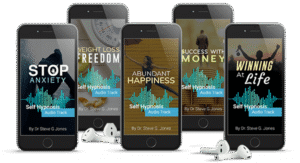
[Free Gift] Life-Changing Self Hypnosis Audio Track
10 Powerful Exercises to Improve Self Esteem and Build Lasting Confidence

Self esteem is the foundation of how you think, feel, and act every day. It influences your relationships, career choices, and the way you handle challenges. When your self esteem is strong, you feel worthy, capable, and resilient. But when it’s low, even simple decisions can feel overwhelming.

The good news is that self esteem isn’t fixed — it can be built through consistent practice and self awareness. In this guide, we’ll explore the most effective exercises to improve self esteem, backed by psychology and practical experience. These strategies are simple, actionable, and can help you rebuild your sense of self-worth step by step.

Understanding Self Esteem

Before diving into the best exercises to improve self esteem, it’s essential to understand what it truly means.

Self esteem is your internal evaluation of your own worth. It’s the belief that you are valuable and deserving of love, respect, and success. People with healthy self esteem are not arrogant; they simply accept themselves — flaws and all.

Low self esteem, on the other hand, often leads to self criticism, fear of rejection, and feelings of inadequacy. It can stem from childhood experiences, societal pressure, or negative self talk.

But here’s the empowering truth: self esteem can be strengthened with intentional effort. Just like muscles grow stronger with exercise, your self-worth grows when you consistently nurture it.

Why You Need to Strengthen Self Esteem

Strong self esteem is not just about feeling good — it’s about living better. When you improve your self esteem, you:

  • Set healthier boundaries in relationships
  • Handle criticism with maturity
  • Pursue goals without fear of failure
  • Bounce back faster from setbacks
  • Feel more peace and self acceptance

Developing self esteem is one of the best investments you can make in yourself. And it doesn’t require years of therapy — just consistent daily habits.

Let’s explore the most effective exercises to improve self esteem that can transform your mindset and life.

1. Write a Daily Self Appreciation List

One of the simplest yet most powerful exercises to improve self esteem is writing down things you appreciate about yourself. Every morning or evening, list five qualities, actions, or strengths you’re proud of.

For example:

  • “I handled a difficult situation calmly.”
  • “I showed kindness to a stranger.”
  • “I kept going even when I felt tired.”

This practice trains your brain to focus on your strengths instead of your flaws. Over time, it shifts your mindset from self criticism to self appreciation.

2. Practice Positive Self Talk

Your inner voice has immense power. If you constantly tell yourself, “I’m not good enough,” your mind starts believing it.

To change this, start noticing negative self talk and replace it with supportive language. For instance:

  • Replace “I can’t do this” with “I’ll do my best.”
  • Replace “I always fail” with “I’m still learning.”

This exercise might feel awkward at first, but repetition rewires your brain for confidence and resilience.

3. Stand in Front of a Mirror and Affirm Yourself

Mirror exercises are one of the most effective exercises to improve self esteem because they help you face yourself — literally and emotionally.

Look into your eyes and say affirmations like:

  • “I am worthy of love and respect.”
  • “I believe in myself.”
  • “I am enough, just as I am.”

Even if you don’t believe these words yet, keep repeating them. The act of affirming yourself builds emotional connection and self compassion over time.

4. Challenge Your Inner Critic

We all have an inner critic — that voice that says you’re not smart, attractive, or capable enough. To silence it, you must challenge it.

Whenever you hear a critical thought, ask yourself:

  • “Is this thought 100% true?”
  • “Would I say this to a friend I care about?”
  • “What’s the evidence against this belief?”

By questioning your negative thoughts, you take away their power. Over time, this exercise helps you think more rationally and kindly toward yourself.

5. Keep a “Victory Journal”

A victory journal is a collection of your accomplishments — big or small. Every time you achieve something, write it down.

It could be finishing a workout, speaking up in a meeting, or simply getting out of bed on a difficult day.

This exercise reminds you of how capable you really are. When you’re feeling discouraged, read through your entries — they’ll reignite your confidence and motivation.

6. Practice Gratitude Every Day

Gratitude and self esteem are deeply connected. When you focus on what you’re thankful for, you stop comparing yourself to others and start appreciating your own journey.

Each day, write down three things you’re grateful for — they can be simple moments, like a smile from a friend or a beautiful sunset.

This habit shifts your perspective from scarcity to abundance, helping you feel more content and worthy.

7. Set Small, Achievable Goals

One of the best exercises to improve self esteem is goal setting — but not just any goals. Start small.

When you set realistic goals and achieve them, you prove to yourself that you’re capable. Each success builds momentum and reinforces your confidence.

Whether it’s exercising for 10 minutes, organizing your desk, or calling a friend, every small victory counts. Confidence grows through consistent achievement.

8. Surround Yourself with Positive People

The people you spend time with influence how you feel about yourself. If you’re surrounded by negativity or constant criticism, your self esteem suffers.

Instead, spend time with people who uplift you — those who celebrate your wins and encourage your growth.

If you can’t change your environment immediately, start following motivational podcasts, books, or online communities that promote positivity and self development.

9. Engage in Activities That Make You Feel Capable

Self esteem flourishes when you’re engaged in something you’re good at. Whether it’s painting, cooking, writing, or gardening — find activities that give you a sense of accomplishment.

Hobbies remind you that your value isn’t defined by your productivity or appearance. They reconnect you with your strengths and creativity.

Doing what you love is not a luxury — it’s a necessity for emotional health.

10. Practice Self Compassion Meditation

Meditation is one of the most effective exercises to improve self esteem because it quiets your mind and reconnects you with your true self.

Try this simple meditation:

  1. Sit comfortably and close your eyes.
  2. Take a few deep breaths.
  3. Repeat silently: “May I be kind to myself. May I forgive myself. May I feel worthy.”

Spend just five minutes a day practicing this. It trains your brain to treat yourself with the same kindness you offer others.

Bonus Exercise: Do One Brave Thing Every Day

Confidence is built through action. Every time you do something brave — even if it’s small — your self esteem grows.

It could be speaking your truth, trying a new skill, or setting a boundary. The more you act courageously, the more you prove to yourself that you can trust yourself.

How Long Does It Take to Improve Self Esteem?

There’s no magic number, but consistency is key. With daily practice, you’ll start to notice subtle shifts in your mindset within a few weeks.

Remember, improving self esteem is not about perfection — it’s about progress. Every effort counts, no matter how small.

The Long-Term Benefits of Practicing These Exercises

When you commit to exercises to improve self esteem, you’ll notice lasting changes:

  • You’ll feel more confident in social and professional settings.
  • You’ll stop comparing yourself to others.
  • You’ll handle rejection and failure with grace.
  • You’ll feel a deeper sense of peace and purpose.

Over time, self esteem becomes part of who you are, not something you have to “work on.” It becomes your natural state.

Conclusion

Self esteem is the root of happiness, success, and fulfillment. The exercises to improve self esteem shared here are powerful tools to help you reconnect with your worth and build unshakable confidence.

Start with one or two practices that resonate with you. Be patient and gentle with yourself. Just like physical fitness, emotional strength grows with consistency.

Every time you choose kindness over criticism, courage over fear, and progress over perfection, you’re building a stronger sense of self.

You are already enough — these exercises simply help you remember it.

[Free Gift] Life-Changing Self Hypnosis Audio Track