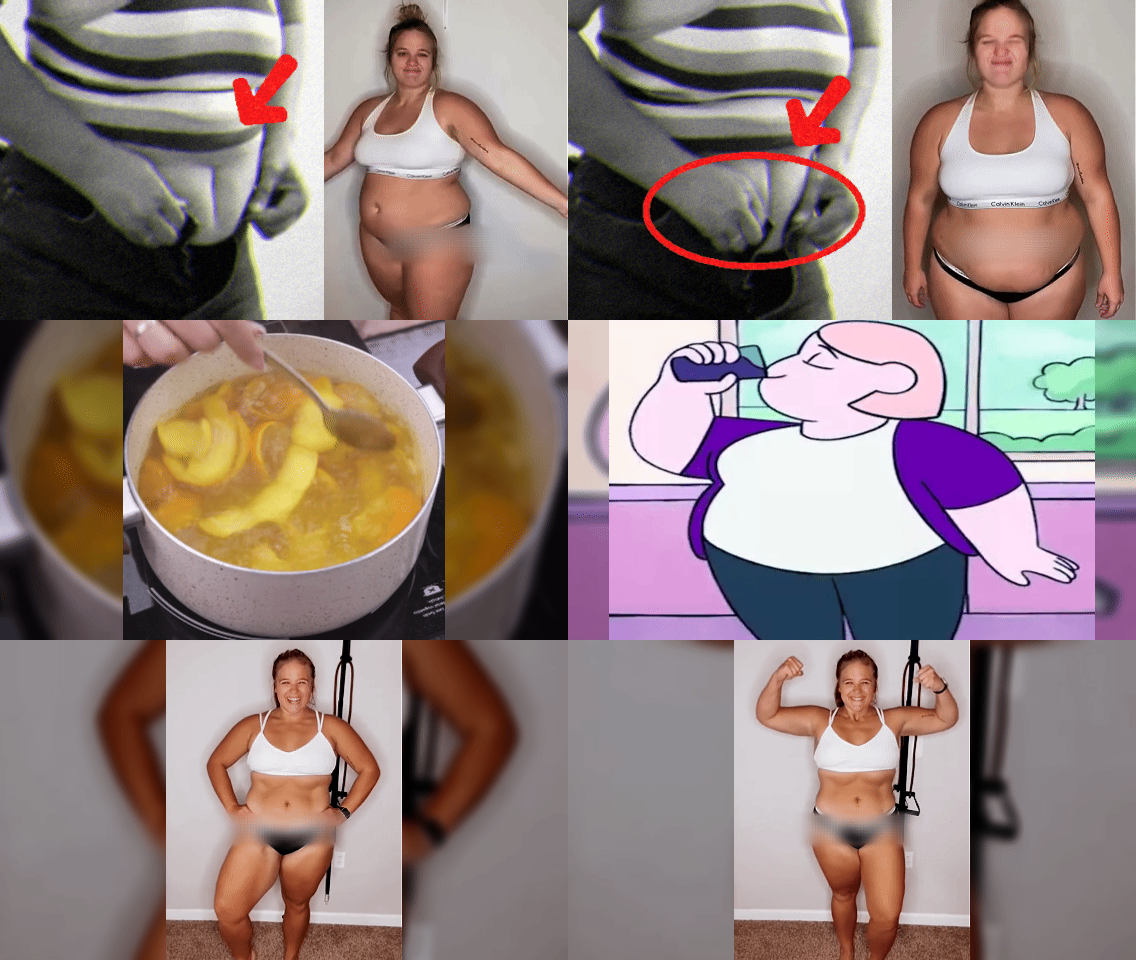
If you’ve been struggling to lose weight despite trying different diets, workouts, and strategies, there’s one powerful factor you might be overlooking: your night routine. Most people focus heavily on what they do during the day, but the hours before sleep can either accelerate fat loss or quietly sabotage your progress.
In this in-depth guide, I’ll walk you through a simple yet highly effective night routine designed to support better fat loss, improve sleep quality, and help your body recover and reset for the next day. This is not about extreme discipline or perfection—it’s about consistency, awareness, and smart habits that compound over time.
Why Your Night Routine Matters for Fat Loss
Before diving into the routine, it’s important to understand why your evening habits are so influential.
Your body operates on a circadian rhythm—a natural internal clock that regulates hormones, metabolism, and energy levels. When your night routine is chaotic, your body struggles to regulate key fat-loss hormones like cortisol, insulin, leptin, and ghrelin.
Poor sleep or late-night habits can lead to:
- Increased cravings for sugar and high-calorie foods
- Slower metabolism
- Higher stress levels
- Reduced fat-burning efficiency
- Lower motivation to exercise the next day
On the other hand, a structured and intentional night routine can:
- Improve sleep quality
- Support hormone balance
- Enhance fat burning during rest
- Reduce late-night snacking
- Boost next-day energy and discipline
Now let’s break down a practical and realistic night routine you can start using tonight.
Step 1: Set a Consistent “Wind-Down” Time
One of the biggest mistakes people make is going to bed at random times. Consistency is key.
Choose a time each night when you begin winding down—ideally 60 to 90 minutes before sleep. This signals your brain that it’s time to relax and prepare for rest.
During this time, avoid stimulating activities like intense work, stressful conversations, or scrolling endlessly on your phone.
Instead, focus on calming rituals that help your body transition into rest mode.
Step 2: Stop Eating 2–3 Hours Before Bed
Late-night eating is one of the most common barriers to fat loss.
When you eat right before bed:
- Your body prioritizes digestion over fat burning
- Blood sugar levels stay elevated
- Sleep quality often decreases
Try to finish your last meal at least 2–3 hours before sleeping. This gives your body enough time to digest food and shift into a fat-burning state during sleep.
If you truly feel hungry later, opt for something light and protein-based, like Greek yogurt or a small handful of nuts—but avoid turning it into a full meal.
Step 3: Choose the Right Evening Meal
What you eat at dinner matters just as much as when you eat.
For better fat loss and sleep, aim for a balanced meal that includes:
- Lean protein (chicken, fish, tofu)
- Healthy fats (avocado, olive oil)
- Fiber-rich vegetables
- Moderate complex carbs (rice, sweet potatoes)
Avoid heavy, greasy, or ultra-processed foods at night, as they can disrupt digestion and sleep.
A well-balanced dinner helps stabilize blood sugar levels and prevents late-night cravings.
Step 4: Reduce Blue Light Exposure
Your phone, laptop, and TV emit blue light, which interferes with melatonin—the hormone responsible for sleep.
If melatonin production is disrupted, falling asleep becomes harder, and sleep quality drops.
To fix this:
- Turn off screens 30–60 minutes before bed
- Use night mode or blue light filters if necessary
- Replace screen time with relaxing activities like reading or journaling
This simple habit can significantly improve your sleep and, indirectly, your fat loss results.
Step 5: Create a Relaxing Pre-Sleep Ritual
Your body thrives on patterns. A consistent pre-sleep ritual trains your brain to associate certain actions with sleep.
Here are some effective options:
- Taking a warm shower
- Practicing deep breathing or meditation
- Stretching lightly
- Reading a book
- Writing down thoughts or plans for the next day
Even 10–15 minutes of a calming activity can reduce stress and prepare your body for deeper sleep.
Step 6: Manage Stress Before Bed
Stress is one of the biggest hidden causes of weight gain.
When you’re stressed, your body releases cortisol, which can:
- Increase fat storage (especially around the belly)
- Trigger emotional eating
- Disrupt sleep cycles
That’s why managing stress at night is crucial.
Try simple techniques like:
- Gratitude journaling
- Slow breathing exercises
- Reflecting on small wins from the day
This helps shift your mind from tension to calm, making it easier to fall asleep and recover.
Step 7: Optimize Your Sleep Environment
Your bedroom should be a space that encourages rest—not distraction.
Make sure your environment is:
- Cool (around 18–22°C is ideal)
- Dark (use blackout curtains if needed)
- Quiet (or use white noise if necessary)
- Comfortable (good mattress and pillows)
Small improvements in your sleep environment can dramatically increase sleep quality, which directly impacts fat loss.
Step 8: Aim for 7–9 Hours of Quality Sleep
Sleep is not optional if you want to lose weight effectively.
During deep sleep:
- Your body repairs muscles
- Hormones regulate appetite and metabolism
- Fat-burning processes are optimized
When you don’t get enough sleep, your body compensates by increasing hunger hormones and reducing energy levels.
Make sleep a priority—not an afterthought.
Step 9: Avoid Alcohol and Late-Night Sugar
While a late-night drink or dessert might feel relaxing, they can seriously interfere with fat loss.
Alcohol:
- Disrupts sleep cycles
- Slows metabolism
- Reduces fat oxidation
Sugar:
- Spikes blood glucose
- Leads to energy crashes
- Increases fat storage
Limiting these at night can improve both your sleep and your weight loss results.
Step 10: Plan for Tomorrow
One underrated habit is preparing for the next day.
Take 5 minutes before bed to:
- Plan your meals
- Set your workout time
- Identify your top priority for the day
This reduces decision fatigue and increases the likelihood that you’ll stay consistent with your goals.
When your mornings are intentional, your results improve faster.
The Bigger Picture: Consistency Over Perfection
You don’t need a perfect routine. What matters is showing up consistently.
Start with 2–3 habits from this list and gradually build from there. Over time, these small changes will create a powerful system that supports your fat loss naturally.
Remember, fat loss isn’t just about burning calories—it’s about creating an environment where your body feels safe, balanced, and efficient.
Your night routine is one of the most powerful tools you have to make that happen.
Final Thoughts
If you’ve been feeling stuck in your weight loss journey, don’t just look at your workouts or diet—look at your evenings.
The way you end your day shapes how your body recovers, how your hormones function, and how prepared you are for the next day.
A calm, intentional night routine doesn’t just help you lose fat—it helps you feel better, think clearer, and live with more energy and control.
Start tonight. Keep it simple. Stay consistent. The results will follow.