
6 Steps to Break Free From Feeling Stuck

Feeling stuck is one of the most common yet frustrating emotional states people experience in modern life. You may feel unmotivated, directionless, emotionally drained, or caught in the same patterns despite wanting change. Whether this feeling comes from your career, relationships, personal growth, or daily routine, being stuck can quietly erode your confidence and sense of purpose over time.

The good news is that feeling stuck does not mean you are broken, lazy, or incapable. It usually means something within you is asking for attention, clarity, or a reset. Breaking free does not require dramatic overnight transformation. It requires intentional, manageable steps that reconnect you with yourself and your sense of control.

Below are six powerful and practical steps to help you break free from feeling stuck and move forward with clarity and confidence.

1. Write Down Your Fears Clearly

Many people stay stuck because their fears remain vague and unspoken. When fear lives only in your mind, it grows larger and more intimidating than it truly is. Writing your fears down forces them to become concrete, specific, and therefore manageable.

Take a notebook or open a document and answer these questions honestly:
What am I afraid of right now?
What do I think will happen if I try and fail?
What am I avoiding because it feels uncomfortable or uncertain?

Once your fears are written, you may notice patterns. Some fears may be unrealistic. Others may be valid but exaggerated. The goal is not to eliminate fear completely, but to understand it. Clarity reduces fear’s power and gives you a stronger emotional foundation to move forward.

2. Call One Trusted Person

Isolation often intensifies the feeling of being stuck. When you keep everything to yourself, your thoughts echo without perspective. Reaching out to one trusted person can immediately shift your emotional state.

Choose someone who listens without judgment. This could be a close friend, a family member, a mentor, or even a therapist. You do not need to have a perfectly structured explanation. Simply saying “I feel stuck and I don’t know why” is enough to begin the conversation.

Speaking out loud helps organize your thoughts and reminds you that you are not alone. Often, clarity emerges not from advice, but from being heard and understood.

3. Do Something Small, But With Sincerity

When you feel stuck, big goals can feel overwhelming. Waiting until you feel motivated or inspired often keeps you frozen. Instead, focus on doing one small action with full presence and sincerity.

This could be:
Cleaning one drawer
Sending one important email
Taking a ten-minute walk
Reading a few pages of a meaningful book

The size of the action does not matter. What matters is the intention behind it. Small actions rebuild trust with yourself. They remind you that movement is possible, even when motivation is low. Progress is often born from consistency, not intensity.

4. Limit Exposure to Negativity

Your mental environment shapes your emotional state more than you may realize. Constant exposure to negativity, whether through social media, news, toxic conversations, or self-critical thoughts, can keep you stuck in survival mode.

Start by observing what drains your energy. This might include:
Endless scrolling on social media
Conversations that leave you feeling discouraged
Content that reinforces comparison or fear

You do not need to eliminate everything overnight. Set gentle boundaries. Reduce screen time. Unfollow accounts that make you feel inadequate. Choose silence over unnecessary noise. Protecting your mental space allows clarity and creativity to return.

5. Journal Every Night

Journaling is one of the most effective tools for emotional processing and self-awareness. Writing at night helps you release mental clutter and reflect on your day with honesty.

You can keep it simple by answering questions such as:
What did I feel today?
What drained my energy?
What gave me even a small sense of relief or joy?
What do I need more of right now?

You do not need perfect grammar or deep insights. The act of writing itself creates emotional release. Over time, journaling helps you recognize patterns, understand your needs, and reconnect with your inner voice.

6. Reset Your Daily Routine

Feeling stuck is often connected to living on autopilot. When every day looks the same, your mind and body stop expecting change. Resetting your routine signals to yourself that something new is possible.

Start with small adjustments:
Wake up 30 minutes earlier or later
Change the order of your morning activities
Add a short walk or stretching session
Create a consistent bedtime ritual

Routines do not limit freedom. Healthy routines create stability, which allows growth. When your days feel intentional rather than reactive, your sense of control naturally increases.

Final Thoughts

Breaking free from feeling stuck is not about fixing yourself. It is about reconnecting with yourself. Each step above is designed to gently shift you from stagnation to movement, from confusion to clarity.

Remember that progress is not linear. Some days you will feel motivated, and other days you may feel uncertain again. That does not mean you are failing. It means you are human.

By facing your fears, seeking connection, taking small actions, protecting your mental space, reflecting through journaling, and resetting your routine, you create momentum. And momentum, even when slow, leads you forward.

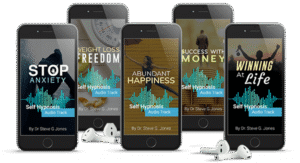
[Free Gift] Life-Changing Self Hypnosis Audio Track
What to Do When You Feel ‘Stuck’ in Life?

Feeling stuck in life is one of the most common yet most misunderstood experiences we go through. It can show up quietly, as a dull sense of dissatisfaction, or loudly, as anxiety, frustration, and self-doubt. You may feel like you are doing everything you are supposed to do, yet nothing seems to move forward. Your goals feel distant, your motivation feels drained, and your days start blending into each other. If this sounds familiar, you are not alone. Feeling stuck does not mean you are failing. More often, it is a sign that something within you is asking for attention, clarity, or change.

Understanding what it really means to feel stuck is the first step toward moving forward. Being stuck does not mean you have no options. It usually means you have too many thoughts, expectations, fears, or pressures pulling you in different directions. When your mind is overwhelmed, movement feels impossible. You may wait for clarity, confidence, or motivation to appear before taking action, but in reality, clarity often comes after you begin moving, not before.

One of the most important things to remember is that you do not need to have your entire life figured out to take the next step. Many people stay stuck because they believe they need a perfect plan. They want certainty about where they are going, how long it will take, and whether it will work. Life rarely offers that level of certainty. Waiting for it only delays progress. Instead of asking yourself, “What should I do with my life?” try asking, “What is the smallest step I can take right now to feel slightly better or more aligned?” Small steps create momentum, and momentum creates clarity.

Another reason people feel stuck is because they are living according to expectations that no longer fit them. These expectations may come from family, society, culture, or even from a past version of yourself. You might be pursuing goals that once made sense but no longer reflect who you are today. When your actions are disconnected from your values, life starts to feel heavy and directionless. Take time to reconnect with what truly matters to you now, not what mattered five or ten years ago. Ask yourself what gives you energy, what drains you, and what kind of life feels meaningful to you at this stage.

Fear also plays a powerful role in keeping people stuck. Fear of failure, fear of judgment, fear of making the wrong choice, or even fear of success can quietly paralyze you. Sometimes staying stuck feels safer than risking disappointment or change. The problem is that comfort zones can become emotional cages. Growth always requires discomfort, but discomfort does not mean danger. Learning to move forward while feeling afraid is a skill, and it gets easier with practice. You do not need to eliminate fear to take action. You only need to stop letting fear make your decisions.

Perfectionism is another hidden trap. When you believe that you must do things perfectly or not at all, you create unrealistic pressure that leads to inaction. Life is not built through perfect decisions but through repeated imperfect ones. Progress is messy, nonlinear, and full of adjustments. Give yourself permission to start before you feel ready. Done is better than perfect, especially when you are trying to get unstuck.

Your environment can also contribute to feeling stuck. If your days lack structure, stimulation, or inspiration, your mind can start to feel stagnant. Simple changes in your daily routine can create powerful shifts in how you feel. This might mean changing how you start your morning, spending less time on social media, moving your body regularly, or surrounding yourself with people who support your growth. Sometimes, external changes create the internal shift you have been waiting for.

It is also important to acknowledge your emotions instead of avoiding them. Feeling stuck often comes with feelings of sadness, anger, guilt, or shame. Many people try to suppress these emotions, hoping they will disappear on their own. In reality, unacknowledged emotions tend to grow stronger. Allow yourself to feel what you feel without judging it. Journaling, talking to someone you trust, or even sitting quietly with your thoughts can help you process what is happening beneath the surface. Emotional clarity often leads to practical clarity.

Taking responsibility for your life is another powerful step forward. Responsibility does not mean blaming yourself for everything that has gone wrong. It means recognizing that, regardless of past circumstances, you still have the ability to choose your next move. Even when options feel limited, you usually have more control than you think. Shifting from a mindset of helplessness to one of ownership can be uncomfortable, but it is incredibly empowering.

Sometimes, feeling stuck is a sign that you need rest, not action. Burnout can disguise itself as confusion or lack of direction. If you have been pushing yourself too hard for too long, your mind and body may be asking for a pause. Rest is not laziness. It is a necessary part of growth. Give yourself permission to slow down, recharge, and reset. From a rested place, decisions often feel clearer and more manageable.

Finally, remember that feeling stuck is not a permanent state. It is a temporary phase, even if it has lasted longer than you would like. Many meaningful transformations begin with a period of feeling lost. This phase often appears right before a breakthrough, because it forces you to question, reflect, and realign. Trust that this moment is part of your journey, not a sign that you are behind in life.

You do not need to know the entire path ahead. You only need to know what the next step is. That step might be small, uncertain, or imperfect, but it counts. Each step you take builds confidence, clarity, and momentum. Over time, those small steps can lead you to a life that feels more purposeful, fulfilling, and true to who you are.

[Free Gift] Life-Changing Self Hypnosis Audio Track

Letting Go of the Past: A Healing Guide for Women

Letting go of the past is one of the most misunderstood and emotionally challenging parts of a woman’s healing journey, especially when it comes to love and relationships. Many women believe that letting go means forgetting, minimizing what happened, or pretending the pain no longer exists. In reality, true healing does not require erasing the past. It requires releasing its emotional control over your present and your future.

If you carry memories of heartbreak, betrayal, unfulfilled love, or relationships that changed you deeply, this guide is for you. Letting go is not about becoming cold or detached. It is about becoming free.

Why Letting Go Feels So Difficult for Women

Women often form deep emotional bonds. When a relationship ends or causes emotional pain, the attachment does not disappear simply because time passes. Your heart remembers the connection, the hopes you had, and the version of yourself you were becoming.

Letting go feels difficult because it can feel like losing a part of yourself. There may also be unresolved emotions, unanswered questions, or a sense of injustice that keeps the past alive in your thoughts.

Understanding this helps you approach healing with compassion instead of self-criticism.

What Letting Go Truly Means

Letting go does not mean that what happened no longer matters. It means you are no longer organizing your life around it.

You may still remember the relationship. You may still feel sadness at times. But the past no longer dictates your emotional state, your choices, or your sense of worth.

Letting go is not an event. It is a gradual process of choosing the present over the past again and again.

How the Past Shows Up in Your Dating Life

Unhealed experiences often follow women into new relationships. You may notice patterns such as emotional guardedness, fear of intimacy, or comparing new partners to old ones.

You may struggle to trust, expect disappointment, or feel emotionally disconnected even when someone treats you well.

These patterns are not failures. They are signals that something inside you still needs care, understanding, and healing.

Recognizing how the past influences your present is the first step toward releasing it.

Acknowledge the Pain Without Living in It

Many women try to let go by pushing their feelings away. Others replay the pain endlessly, hoping to find meaning.

Healing lies in the middle. You must acknowledge what hurt without letting it define you.

Allow yourself to name what you experienced. Validate your feelings without judging them. Grief, anger, and disappointment are not weaknesses. They are part of the healing process.

When emotions are acknowledged, they soften naturally.

Release the Stories That Keep You Stuck

Often, it is not the past itself that keeps you stuck, but the story you continue to tell about it.

Stories like “I always choose the wrong person” or “I was not enough” reinforce emotional attachment and self-blame.

Begin questioning these narratives. Are they facts, or interpretations shaped by pain?

Replacing self-blame with self-understanding creates emotional freedom.

Forgiveness as a Personal Release

Forgiveness is not about excusing behavior or reconciling with someone who hurt you. It is about releasing the emotional burden you carry.

Holding onto resentment ties you to the past. Forgiveness allows you to reclaim your energy.

This process can take time. You do not need to force it. Forgiveness often begins with compassion for yourself.

Trust Yourself Again

One of the deepest wounds from past relationships is the loss of self-trust. Many women blame themselves for staying too long or ignoring red flags.

Letting go requires rebuilding trust in yourself. Trust that you are wiser now. Trust that you will protect your boundaries. Trust that you can handle disappointment if it comes.

Self-trust reduces fear of the future.

Create New Emotional Experiences

Healing does not happen only through reflection. It also happens through new experiences that show your nervous system that safety and connection are possible again.

This does not mean rushing into dating. It means opening yourself to life, connection, and joy in ways that feel aligned.

Positive experiences in the present weaken emotional attachment to the past.

Choose Yourself Consistently

Letting go is reinforced by daily choices. Choosing yourself means honoring your needs, listening to your intuition, and prioritizing your well-being.

Each time you choose yourself, you affirm that the past no longer controls you.

Over time, these choices build emotional strength and clarity.

Letting Go Is an Act of Courage

Letting go of the past is not forgetting what you went through. It is choosing not to let it define who you become.

You are allowed to move forward without guilt. You are allowed to want love again. You are allowed to believe in something better.

Healing does not erase your story. It transforms it.

As you let go, you make space for peace, clarity, and relationships that align with who you are now.

14 Days to Reconnect With Your Inner Self

In a world that constantly demands your attention, reconnecting with your inner self can feel like a forgotten skill. Notifications, responsibilities, expectations, and endless comparison often pull you outward, leaving little space to truly listen inward. Over time, this disconnection creates emotional fatigue, confusion, and a subtle sense of emptiness that no external achievement can fully resolve.

Reconnecting with your inner self is not about escaping daily life or becoming someone new. It is about remembering who you are beneath the noise. This 14-day journey is designed for anyone seeking personal development, emotional clarity, and a deeper sense of alignment. Each day invites you to slow down, reflect, and gently rebuild the relationship with yourself.

Day 1: Create Space for Stillness

Begin by creating intentional stillness. Set aside at least ten minutes without distractions. No phone, no music, no agenda. Simply sit and observe your breath. Stillness is the doorway to inner awareness. At first, your mind may resist, but with patience, this quiet space becomes familiar and safe.

Day 2: Notice Your Inner Dialogue

Pay attention to how you speak to yourself throughout the day. Are your thoughts supportive or critical? Many people lose connection with their inner self because their inner voice has become harsh or dismissive. Awareness is the first step toward healing. Notice without judgment and write down recurring patterns.

Day 3: Reconnect With Your Body

Your body carries wisdom that the mind often ignores. Today, focus on physical sensations. Stretch slowly, take a mindful walk, or practice gentle breathing. Ask yourself how your body feels in moments of stress and ease. Reconnection deepens when you learn to listen to physical signals instead of overriding them.

Day 4: Identify Emotional Triggers

Emotional reactions reveal unhealed parts of the self. When something triggers you today, pause and reflect. What emotion surfaced? Where did it come from? Instead of suppressing feelings, allow them to exist. Emotional awareness strengthens self-trust and inner clarity.

Day 5: Spend Time Alone Intentionally

Solitude is essential for inner connection. Spend time alone without distractions or productivity goals. This is not loneliness but presence. Notice what thoughts arise when you are alone. This day helps you rebuild comfort with your own company and inner world.

Day 6: Clarify What You Truly Want

Take time to reflect on your desires without filtering them through expectations. Ask yourself what you want emotionally, mentally, and spiritually. Write freely without censoring yourself. Reconnection happens when your choices align with your inner truth, not external approval.

Day 7: Release Emotional Clutter

Halfway through the journey, focus on release. Let go of emotions you’ve been carrying that no longer serve you. This could include resentment, guilt, or self-blame. Journaling or quiet reflection helps create emotional space for clarity and peace.

Day 8: Practice Self-Compassion

Many people disconnect from their inner self due to self-judgment. Today, practice kindness toward yourself. Speak gently to yourself, especially in moments of imperfection. Self-compassion rebuilds the emotional safety needed for true self-connection.

Day 9: Observe Your Energy

Notice what drains you and what energizes you. Pay attention to conversations, environments, and activities. Your inner self communicates through energy shifts. Learning to honor these signals strengthens alignment and prevents emotional exhaustion.

Day 10: Reconnect With Gratitude

Gratitude grounds you in the present moment. Today, write down three things you genuinely appreciate, even if they are small. Gratitude is not about denying challenges but about reconnecting with what is already whole within you.

Day 11: Set Gentle Boundaries

Boundaries protect your inner world. Reflect on where you may be overextending yourself. Practice saying no when needed, without guilt. Healthy boundaries reinforce self-respect and emotional balance.

Day 12: Revisit Your Values

Clarify the values that guide your life. What matters most to you now? Values evolve over time, and reconnecting with them helps you make decisions with confidence and integrity. Living in alignment with your values strengthens inner stability.

Day 13: Trust Your Intuition

Intuition is the quiet voice within that knows what feels right. Today, practice listening to it in small decisions. Trust grows through action. The more you honor your intuition, the stronger your connection to your inner self becomes.

Day 14: Integrate and Reflect

On the final day, reflect on what has changed. Notice any shifts in awareness, emotional clarity, or self-trust. Reconnection is not a destination but an ongoing relationship. Carry these practices forward gently, without pressure or perfection.

Continuing the Journey of Inner Connection

Reconnecting with your inner self is one of the most meaningful forms of personal development. It creates emotional resilience, clarity, and a deep sense of belonging within yourself. When you live from inner alignment, life feels less forced and more authentic. The world may remain noisy, but your inner world becomes a place of grounding and truth.

[Free Gift] Life-Changing Self Hypnosis Audio Track

6 Signs You’re Losing Touch With Your Inner Self

In a fast-paced world driven by expectations, productivity, and constant comparison, losing touch with your inner self happens more easily than most people realize. Many individuals spend years building careers, relationships, and routines without noticing that they have slowly disconnected from their own emotions, needs, and values. This inner disconnection often shows up as restlessness, emotional exhaustion, or a persistent feeling that something is missing, even when life appears “successful” on the surface.

Reconnecting with your inner self is one of the most powerful steps you can take in personal development. It allows you to make clearer decisions, build healthier relationships, and experience a deeper sense of fulfillment. Below are six clear signs you may be losing touch with your inner self, along with insights to help you reflect and gently realign.

1. You Are Easily Affected by Other People’s Emotions

If you notice that your mood changes quickly based on how others feel, it may be a sign that your emotional boundaries are blurred. When you are deeply connected to your inner self, you can empathize without absorbing everyone else’s emotional energy. However, when that connection weakens, external emotions begin to dominate your inner world.

You may feel anxious around stressed people, discouraged around pessimistic voices, or overly excited by others’ approval. This often leads to emotional instability and burnout because your inner compass is no longer guiding you. Reconnecting begins with learning to pause, notice your own emotional state, and ask yourself whether what you’re feeling truly belongs to you.

2. You No Longer Know What You Truly Want

One of the most common signs of inner disconnection is confusion about your own desires. You may struggle to answer simple questions like “What do I want right now?” or “What kind of life do I want to create?” Instead, your goals may be based on societal expectations, family pressure, or comparison with others.

When you lose touch with your inner self, you begin living on autopilot. You pursue goals because they look good on the outside, not because they resonate on the inside. Personal development starts with honest self-inquiry. Slowing down, journaling, and spending quiet time alone can help you hear your own voice again beneath the noise.

3. You Feel Constantly Tired by Things You “Have to” Do

There is a difference between healthy effort and chronic emotional fatigue. If most of your days feel heavy and filled with obligation, it may not be the workload itself that is exhausting you, but the lack of inner alignment. When actions are disconnected from meaning, even small tasks can feel overwhelming.

This kind of exhaustion often comes from living according to “shoulds” instead of inner truth. You may say yes when you want to say no, stay busy to avoid discomfort, or push yourself without checking in emotionally. Reconnecting with your inner self helps you identify what is truly necessary and what can be released, allowing energy to return naturally.

4. You Constantly Feel a Sense of Lack

A persistent feeling that something is missing, despite achievements or stability, is a powerful indicator of inner disconnection. You may chase new goals, possessions, or validation, hoping they will finally make you feel complete. Yet the satisfaction never lasts.

This sense of lack is not about external circumstances but about an internal void. When you are connected to your inner self, you experience a sense of wholeness that does not depend on constant achievement. Personal growth involves shifting from seeking fulfillment outside to cultivating presence, gratitude, and self-awareness within.

5. You Tend to Doubt Yourself Frequently

Self-doubt increases when you stop trusting your inner guidance. You may overthink decisions, seek excessive reassurance, or second-guess yourself even after making choices. This happens because the internal voice that once provided clarity has been drowned out by fear, comparison, or past conditioning.

Rebuilding self-trust is a gradual process. It begins with making small decisions intentionally and honoring them. As you reconnect with your inner self, confidence grows not from perfection, but from alignment. You learn that even mistakes carry wisdom when you listen inwardly.

6. You Avoid Being Alone

Avoiding solitude is one of the clearest signs of inner disconnection. Constant noise, scrolling, social interaction, or busyness can become a way to escape your own thoughts and feelings. Being alone may feel uncomfortable because it brings you face-to-face with emotions you’ve been avoiding.

However, solitude is not loneliness. It is a gateway to self-connection. Spending time alone allows you to process experiences, reflect honestly, and reconnect with your inner world. As you grow more comfortable with your own presence, you regain emotional stability and clarity.

How to Begin Reconnecting With Your Inner Self

Reconnection does not require drastic life changes. It starts with small, consistent practices such as mindful breathing, journaling, intentional solitude, and honest self-reflection. Ask yourself how you truly feel, not how you think you should feel. Listen without judgment. Over time, this gentle attention rebuilds trust between you and your inner self.

Personal development is not about becoming someone new. It is about remembering who you were before external expectations shaped you. When you reconnect with your inner self, life becomes less about control and more about clarity, authenticity, and inner peace.

[Free Gift] Life-Changing Self Hypnosis Audio Track