
Understanding Yourself and Others: The Key to Stronger Relationships and Personal Growth

In a world filled with constant interactions, one of the most valuable skills you can develop is understanding yourself and others. Whether in personal relationships, the workplace, or within your community, this skill lays the foundation for empathy, communication, and meaningful connections. Yet, many people struggle with it because they’ve never been taught how to look inward, identify their emotions, and interpret the behaviors of those around them.

This guide explores why understanding yourself and others is so important, how it benefits your life, and practical steps you can take to strengthen this ability.

Why Understanding Yourself Comes First

Before you can truly connect with others, you must first connect with yourself. Self-awareness is the foundation of emotional intelligence, and it involves:

  • Recognizing your strengths and weaknesses.
  • Understanding your triggers, emotions, and thought patterns.
  • Being honest about your values, goals, and motivations.
  • Accepting yourself without judgment.

When you achieve this level of self-awareness, you can interact with others more authentically. Without it, you may project insecurities, misinterpret situations, or struggle to manage conflict.

The Importance of Understanding Others

Once you gain clarity about yourself, the next step is developing empathy and awareness toward others. Understanding yourself and others means acknowledging that everyone has different backgrounds, experiences, and perspectives.

By practicing empathy, you can:

  • Strengthen personal and professional relationships.
  • Communicate more effectively.
  • Resolve conflicts with patience and respect.
  • Support loved ones in meaningful ways.
  • Create a more inclusive environment in work and social settings.

Benefits of Understanding Yourself and Others

The skill of self-awareness and empathy impacts almost every area of life:

  • Stronger relationships: Understanding needs and emotions leads to healthier connections.
  • Better decision-making: Awareness helps you act with intention instead of reacting impulsively.
  • Reduced stress: By understanding your emotions and those of others, you can handle challenges more calmly.
  • Career growth: Emotional intelligence is one of the most sought-after skills in leadership and teamwork.
  • Personal fulfillment: Knowing who you are and building meaningful relationships brings greater life satisfaction.

How to Improve at Understanding Yourself

Here are some practical steps to develop self-awareness:

1. Journaling

Writing down thoughts and feelings daily helps you identify patterns in behavior and emotions.

2. Mindfulness and Meditation

Practicing mindfulness encourages you to notice thoughts without judgment, improving emotional control.

3. Seek Feedback

Trusted friends, colleagues, or mentors can provide valuable perspectives on how you come across.

4. Reflect on Your Values

Ask yourself what truly matters to you. Aligning actions with values makes life more fulfilling.

5. Embrace Growth

Self-awareness isn’t about perfection—it’s about continuous learning and improvement.

How to Improve at Understanding Others

Improving empathy and awareness toward others is just as important. Here are key strategies:

1. Active Listening

Focus fully on what the other person is saying instead of planning your response.

2. Ask Open-Ended Questions

Encourage deeper conversations by asking “how” and “why” questions.

3. Practice Empathy

Put yourself in the other person’s shoes to understand their perspective.

4. Observe Nonverbal Cues

Body language, tone of voice, and facial expressions often reveal more than words.

5. Respect Differences

Recognize that others may think, feel, or act differently without being wrong.

Challenges in Understanding Yourself and Others

While it sounds simple, developing this skill takes effort. Common challenges include:

  • Bias and assumptions: Preconceived ideas can cloud your judgment.
  • Emotional barriers: Anger, fear, or insecurity may prevent you from seeing clearly.
  • Cultural differences: Misunderstandings often arise from differing values or communication styles.
  • Lack of time: Truly listening and reflecting requires patience and presence.

Overcoming these challenges requires awareness, practice, and compassion—for yourself and for others.

Practical Exercises for Daily Life

If you want to practice understanding yourself and others, here are some exercises:

  • End each day by writing down one thing you learned about yourself and one thing you noticed about someone else.
  • During conversations, repeat back what the other person said to confirm you understood them correctly.
  • Spend 5 minutes each morning practicing deep breathing and reflecting on your emotions.
  • Observe your own reactions in stressful situations and ask: Why did I respond that way?
  • Volunteer or engage in community activities to gain perspective from diverse people.

Final Thoughts

Mastering the art of understanding yourself and others is a lifelong journey, but the rewards are immeasurable. By developing self-awareness and empathy, you’ll not only improve your relationships but also create a more fulfilling and balanced life.

Remember, true understanding begins within. When you know yourself deeply, you can extend that same compassion and clarity to the people around you. And in a world that often feels divided, that skill is more valuable than ever.

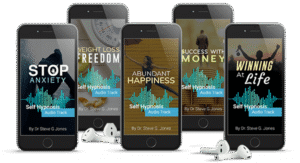
[Free Gift] Life-Changing Self Hypnosis Audio Track
How to Create a Morning Routine That Works for You: A Complete Guide to Start Your Day Right

The way you start your morning sets the tone for your entire day. A rushed, chaotic start often leads to stress and poor focus, while a calm and intentional morning can help you feel energized, centered, and productive. But here’s the challenge: no two people are the same. That’s why the real secret to success is learning how to create a morning routine that works for you, not just following someone else’s checklist.

In this guide, we’ll break down the science of morning routines, why they matter, and how you can design a personalized plan that fits your lifestyle, goals, and personality.

Why Morning Routines Are So Powerful

Before diving into how to create a morning routine that works for you, it’s important to understand why they’re worth your time. Research shows that morning habits influence:

  • Productivity: Consistent routines prime your brain for focus and efficiency.
  • Mental health: Mindful practices like journaling or meditation reduce stress.
  • Energy levels: Exercise and proper nutrition provide sustainable energy.
  • Decision-making: Routines eliminate the need to constantly decide what’s next, reducing decision fatigue.
  • Confidence: Starting the day with small wins (like making your bed or exercising) builds momentum for bigger achievements.

Step 1: Identify Your Goals and Priorities

The first step in learning how to create a morning routine that works for you is self-reflection. Ask yourself:

  • What do I want to feel in the morning—energized, calm, motivated, or all three?
  • What goals am I working toward—better health, career success, personal growth?
  • How much time can I realistically dedicate to my routine?

Knowing your goals will help you design habits that align with your life rather than copying someone else’s schedule.

Step 2: Choose Core Morning Rituals

Not all morning routines look the same, but here are some powerful practices you can consider:

1. Hydrate First Thing

Drinking water immediately after waking helps rehydrate your body, kickstart your metabolism, and boost alertness.

2. Movement or Exercise

You don’t need a full workout—simple stretches, yoga, or a 10-minute walk can wake up your muscles and improve circulation.

3. Mindfulness or Meditation

Spending even 5 minutes in stillness can help reduce stress and improve mental clarity.

4. Journaling or Gratitude Practice

Writing down thoughts, affirmations, or things you’re grateful for helps set a positive mindset.

5. Nourishing Breakfast

A balanced meal with protein, healthy fats, and complex carbs provides sustained energy.

6. Planning Your Day

Reviewing your to-do list or setting top priorities helps you stay focused and productive.

When building your plan, select the rituals that resonate most with you.

Step 3: Keep It Realistic and Sustainable

One of the biggest mistakes people make when figuring out how to create a morning routine that works for you is trying to do too much too soon. Start small. Even a 15-minute routine can be transformative if practiced consistently. Once it becomes a habit, you can expand.

Step 4: Experiment and Adjust

A routine should serve you—not the other way around. Don’t be afraid to experiment:

  • Try waking up 30 minutes earlier.
  • Switch between journaling and meditation to see which feels better.
  • Adjust breakfast choices to find what fuels you best.

Consistency is important, but flexibility ensures your routine evolves with your lifestyle.

Step 5: Overcome Common Morning Routine Challenges

Even with the best intentions, you may run into obstacles. Here’s how to handle them:

  • Not a morning person? Start with one simple ritual like stretching or drinking water, then build gradually.
  • Busy schedule? A shorter, focused routine can be just as effective as a long one.
  • Feeling unmotivated? Prepare the night before—lay out clothes, prep breakfast, or set your journal by your bed.
  • Easily distracted? Avoid checking your phone until after completing your core habits.

The Role of Nighttime Habits

Ironically, the secret to a great morning often starts the night before. Going to bed at a consistent time, limiting screen use, and preparing for the next day can make your morning flow smoothly.

Sample Morning Routine Templates

Here are three examples of routines depending on your lifestyle:

The Busy Professional (30 minutes)

  • 5 min: Drink water and stretch
  • 10 min: Quick workout or yoga
  • 5 min: Journaling
  • 5 min: Review top priorities for the day
  • 5 min: Light breakfast

The Wellness Enthusiast (60 minutes)

  • 10 min: Meditation
  • 20 min: Full-body workout
  • 10 min: Journaling and affirmations
  • 10 min: Healthy breakfast
  • 10 min: Reading or learning something new

The Parent or Caregiver (15 minutes)

  • 5 min: Gratitude journaling
  • 5 min: Light stretching
  • 5 min: Morning prep for the family while sipping water or tea

Remember, the key is finding what feels natural and sustainable.

Final Thoughts

Learning how to create a morning routine that works for you isn’t about copying someone else’s schedule or forcing habits that don’t fit your life. It’s about self-awareness, experimentation, and consistency. By starting small and choosing rituals that align with your goals, you’ll not only transform your mornings but also create momentum that positively impacts the rest of your day.

So tomorrow morning, instead of rushing straight into chaos, take a few minutes for yourself. Your future self will thank you.

[Free Gift] Life-Changing Self Hypnosis Audio Track

Living for Others and Not Yourself: How to Find Balance Without Losing Your Identity

In today’s fast-paced world, many people struggle with the challenge of living for others and not yourself. From family responsibilities and workplace expectations to social obligations and cultural pressures, it’s easy to find yourself prioritizing everyone else’s needs over your own. While caring for others is an important part of human connection, neglecting your personal well-being can lead to burnout, resentment, and even loss of identity.

This article explores what it really means to be living for others and not yourself, why it happens, and how to create a healthier balance where you can care for others without sacrificing your own happiness.

What Does “Living for Others and Not Yourself” Really Mean?

At first glance, living for others might sound noble. After all, helping family, friends, or colleagues is often seen as a sign of kindness and selflessness. But when you’re constantly living for others and not yourself, it means:

  • You ignore your own needs to meet the demands of others.
  • You feel guilty whenever you put yourself first.
  • Your identity, dreams, and passions are overshadowed by other people’s expectations.
  • You struggle with saying “no,” even when you’re overwhelmed.
  • Your sense of self-worth depends on how much you give or sacrifice.

Over time, this lifestyle can cause emotional exhaustion, loss of purpose, and even depression.

Why Do People End Up Living for Others and Not Themselves?

There are many reasons why people fall into this pattern. Understanding them is the first step toward change.

  • Cultural upbringing: Some cultures value self-sacrifice over individuality.
  • Family dynamics: Growing up in a family where love was conditional may make you feel obligated to constantly please others.
  • Fear of rejection: You may believe people won’t accept you if you don’t meet their expectations.
  • Low self-esteem: If you don’t feel worthy on your own, you may look for validation through serving others.
  • Social conditioning: Society often praises people who are “selfless,” creating pressure to always put others first.

The Hidden Dangers of Living for Others and Not Yourself

While helping others is admirable, doing it at the expense of your own well-being has serious consequences:

  • Burnout and stress: Constantly giving without replenishing drains your energy.
  • Resentment: Over time, you may start resenting the very people you’re trying to help.
  • Loss of identity: You may forget what you truly enjoy or who you are outside of serving others.
  • Damaged relationships: When you sacrifice too much, relationships can become unbalanced and unhealthy.
  • Mental health struggles: Anxiety, depression, and low self-worth often come from neglecting your own needs.

Signs You Might Be Living for Others and Not Yourself

Do any of these sound familiar?

  • You often say “yes” when you really want to say “no.”
  • You feel guilty when taking time for yourself.
  • Your decisions are based on pleasing others rather than your own desires.
  • You neglect hobbies, goals, or dreams because they seem selfish.
  • You feel drained, unappreciated, or invisible.

If so, you may be caught in the cycle of living for others and not yourself.

How to Stop Living for Others and Start Living for Yourself

The good news is, change is possible. Here are practical steps to reclaim your identity while still being kind and supportive to others:

1. Set Healthy Boundaries

Boundaries are not walls; they are guidelines that protect your mental and emotional well-being. Learn to say no without guilt.

2. Practice Self-Compassion

Remind yourself that your needs are just as important as anyone else’s. Treat yourself with the same kindness you show others.

3. Reconnect with Your Passions

Rediscover hobbies, interests, and goals that bring you joy. Even small daily practices can help you feel more fulfilled.

4. Balance Giving and Receiving

Healthy relationships involve both giving and receiving. Allow others to support you too.

5. Reflect on Your Motives

Ask yourself: Am I doing this out of genuine love, or because I’m afraid of rejection? This awareness can shift your perspective.

6. Seek Professional Support

If you’ve been stuck in this pattern for years, therapy or coaching can help you build confidence and healthier habits.

Why Living for Yourself Isn’t Selfish

One common misconception is that focusing on yourself means you’re selfish. In reality, self-care allows you to give more authentically. When you’re rested, fulfilled, and emotionally healthy, your support for others becomes stronger and more sustainable.

Think of it like oxygen masks on a plane—you need to secure your own first before helping someone else.

Finding Balance: Living for Others and Yourself

The goal isn’t to stop caring for others; it’s about balance. By taking care of your own needs, you create space for healthier, more meaningful connections. Imagine living a life where you pursue your dreams, nurture your well-being, and still show up for the people you love. That’s what true balance looks like.

Final Thoughts

If you’ve been living for others and not yourself, you’re not alone. Many people fall into this cycle without realizing it. The key is recognizing the pattern, setting boundaries, and learning to value yourself as much as you value others.

When you start living authentically for yourself, you don’t abandon others—you show up as a stronger, happier, and more genuine version of you. And in the end, that benefits everyone around you.

[Free Gift] Life-Changing Self Hypnosis Audio Track

10 Affirmations to Start the Day: Transform Your Morning with Positive Energy

Morning sets the tone for your entire day. If you wake up feeling rushed, overwhelmed, or negative, chances are those emotions will follow you until bedtime. But there’s a simple, powerful practice that can shift your mindset instantly—affirmations. In this blog, we’ll explore 10 affirmations to start the day that can bring more clarity, confidence, and joy into your life. Whether you’re a beginner or already familiar with affirmations, these simple statements can become your secret tool to creating a better tomorrow, one day at a time.

What Are Affirmations and Why Do They Work?

Affirmations are short, positive statements that you repeat to yourself in order to reshape your thoughts and beliefs. They may sound simple, but science shows that affirmations can actually rewire your brain through a process called neuroplasticity. By consistently affirming empowering thoughts, you can train your mind to focus on possibilities rather than problems.

When practiced regularly, affirmations can:

  • Reduce stress and anxiety
  • Increase self-confidence
  • Boost motivation and productivity
  • Improve your overall mental well-being
  • Set a positive tone for the day

Now, let’s dive into the 10 affirmations to start the day that can help you feel more grounded, energized, and ready to face any challenge.

10 Affirmations to Start the Day

1. “I am grateful for this new day and the opportunities it brings.”

Gratitude is one of the fastest ways to shift your mindset from lack to abundance. Beginning your day with thankfulness can create a sense of peace and attract more positivity.

2. “I am strong, capable, and ready to handle whatever comes my way.”

Life is full of uncertainties, but affirming your strength empowers you to face challenges with confidence instead of fear.

3. “I choose happiness and peace today.”

Happiness is not just something that happens—it’s a choice. By repeating this affirmation, you remind yourself that your mood and outlook are within your control.

4. “I am worthy of love, success, and abundance.”

Many people struggle with feelings of unworthiness. Starting your morning by affirming your value can help dissolve self-doubt and create space for growth.

5. “I attract positive energy and radiate kindness wherever I go.”

This affirmation helps you become a magnet for good experiences. By focusing on spreading kindness, you also invite kindness back into your life.

6. “I am focused, productive, and motivated to achieve my goals.”

For those who struggle with procrastination, this affirmation provides a daily reminder to stay committed and take inspired action.

7. “I trust myself and the decisions I make.”

Self-trust is essential for confidence. Repeating this affirmation can silence the inner critic and strengthen your intuition.

8. “I let go of what I cannot control and embrace peace.”

Stress often comes from holding on to things beyond your control. This affirmation helps you release unnecessary burdens and focus on what truly matters.

9. “I am healthy, strong, and full of energy.”

Your body listens to your thoughts. By affirming good health, you encourage your mind to make choices that support your physical well-being.

10. “Today, I will create joy and share it with others.”

Happiness grows when it’s shared. Starting your day with this affirmation encourages you to become a source of positivity for those around you.

How to Use These 10 Affirmations to Start the Day Effectively

Affirmations are powerful, but consistency is the key. Here are a few tips to get the most out of your practice:

  • Say them out loud: Speaking affirmations with confidence helps reinforce belief.
  • Repeat daily: The more often you affirm, the stronger the results.
  • Visualize while affirming: Imagine yourself living out each affirmation.
  • Write them down: Journaling affirmations can make them more tangible.
  • Pair with morning rituals: Combine affirmations with meditation, stretching, or mindful breathing for deeper impact.

Why Morning Affirmations Work Best

Starting your day with affirmations is especially powerful because your mind is most impressionable in the morning. After a night of rest, your subconscious is more open to new thoughts and beliefs. By practicing these 10 affirmations to start the day, you give yourself a mental boost that can carry you through stress, challenges, and unexpected situations.

Final Thoughts

Incorporating affirmations into your morning routine doesn’t take much time, but the benefits are profound. These 10 affirmations to start the day can help you feel grounded, motivated, and empowered to face life with positivity. Remember, change doesn’t happen overnight—it’s the small, consistent habits that create lasting transformation.

So tomorrow morning, before checking your phone or rushing into your to-do list, pause and repeat these affirmations. You may be surprised at how much brighter and more fulfilling your day becomes.

[Free Gift] Life-Changing Self Hypnosis Audio Track

What to Do When You Feel Stuck in Life: A Complete Guide to Moving Forward

Everyone goes through moments where life feels like it’s on pause. You might feel like you’re working hard but not progressing, or you’ve lost your sense of direction. Maybe your career feels stagnant, your relationships lack fulfillment, or you simply feel unmotivated day after day. If you’ve been wondering what to do when you feel stuck in life, you are not alone.

Feeling stuck is a universal human experience. The good news is that it doesn’t have to last forever. With the right mindset shifts, practical strategies, and consistent action, you can break free from the cycle of stagnation and move toward a more fulfilling and purpose-driven life.

In this guide, we’ll explore why people get stuck, the emotional toll it can take, and powerful steps you can take to create positive momentum.

Why Do You Feel Stuck in Life?

Before learning what to do when you feel stuck in life, it’s important to understand why it happens. Common reasons include:

  • Lack of clarity: Not knowing what you truly want or what direction to take.
  • Fear of failure: Avoiding risks that could move you forward because of fear.
  • Comfort zones: Staying in familiar situations that feel safe but unfulfilling.
  • Comparisons: Measuring your progress against others, which can create feelings of inadequacy.
  • Burnout: Working too much without balance, leaving you drained and unmotivated.
  • Unresolved emotions: Stress, grief, or past experiences that hold you back.

Recognizing the cause of stagnation is the first step toward change.

Step 1: Acknowledge Your Feelings Without Judgment

When you feel stuck, it’s easy to beat yourself up or feel like something is wrong with you. Instead, try to acknowledge your feelings with compassion. Remind yourself that feeling stuck doesn’t mean you’re broken—it simply means it’s time for a reset.

Self-awareness is the foundation of transformation. Ask yourself: What areas of my life feel stagnant, and why?

Step 2: Reconnect With Your Values and Purpose

One of the most effective ways to figure out what to do when you feel stuck in life is to reconnect with your core values. Your values act as a compass, guiding your decisions and helping you align with what truly matters.

Try journaling about questions like:

  • What activities make me feel most alive?
  • What do I want my life to stand for?
  • What values do I want to prioritize more?

Clarity about your values will help you identify meaningful goals that motivate you to move forward.

Step 3: Set Small, Achievable Goals

When life feels overwhelming, the best thing you can do is start small. Instead of trying to transform your entire life at once, focus on micro-steps.

Examples of small but powerful goals include:

  • Reading for 10 minutes daily
  • Going for a short walk after work
  • Reaching out to one supportive friend
  • Meditating for 5 minutes a day

Each small win creates momentum. Over time, these small actions compound into significant changes.

Step 4: Break Free From Negative Self-Talk

Feeling stuck often comes with a harsh inner critic that says: “You’re not good enough” or “You’ll never succeed.” To move forward, you must challenge these limiting beliefs.

A powerful exercise is to reframe negative thoughts into empowering ones. For example:

  • Instead of “I’ll never figure this out,” try “I don’t know the answer yet, but I can learn.”
  • Instead of “I’m behind everyone else,” try “I’m moving at my own pace, and that’s okay.”

Changing your inner dialogue shifts your mindset from hopelessness to possibility.

Step 5: Create New Routines and Habits

Routines shape your life more than motivation does. If you want to know what to do when you feel stuck in life, start by reshaping your daily habits.

Healthy routines could include:

  • Morning rituals that set a positive tone (like journaling or stretching)
  • Regular exercise for mental and physical energy
  • Consistent sleep patterns for clarity and focus
  • Digital detox periods to reduce distractions

Building intentional habits creates structure and energy that support long-term growth.

Step 6: Seek Inspiration and Learning

Sometimes stagnation comes from being stuck in the same patterns and environments. To break free, expose yourself to new ideas and perspectives.

You can:

  • Read personal development or motivational books
  • Listen to inspiring podcasts
  • Take an online course in a skill you’ve always wanted to learn
  • Attend workshops or networking events

Fresh insights can spark creativity and motivate you to take action.

Step 7: Surround Yourself With Positive Influences

Your environment and the people around you have a huge impact on your mindset. If you’re around negativity or people who drain your energy, it’s harder to move forward.

Seek out supportive, encouraging individuals who inspire growth. Whether it’s mentors, friends, or online communities, connecting with positive influences can help you break free from stagnation.

Step 8: Take Care of Your Mental and Physical Health

When wondering what to do when you feel stuck in life, don’t overlook your health. Often, stagnation is worsened by poor diet, lack of movement, or untreated stress.

  • Nourish your body with whole, balanced meals
  • Stay active with daily movement, even gentle walks
  • Practice mindfulness or meditation to calm your mind
  • Consider therapy or coaching if you’re dealing with deeper struggles

A healthy mind and body create the energy and resilience needed to move forward.

Step 9: Allow Yourself to Take Risks

Feeling stuck often comes from playing it too safe. Growth requires stepping outside your comfort zone, even when it feels scary.

Ask yourself: What’s one thing I’ve been avoiding because of fear? Then take one small action toward it. Courage grows the more you practice it.

Step 10: Be Patient With the Process

Breaking free from stagnation doesn’t happen overnight. It’s a gradual process of self-discovery, small steps, and consistent effort. Celebrate your progress, no matter how small, and trust that forward movement is happening.

Patience is key. The fact that you’re searching for what to do when you feel stuck in life means you’re already on the path to transformation.

Final Thoughts

Feeling stuck is frustrating, but it can also be an invitation to grow, change, and realign with your true self. By acknowledging your feelings, setting small goals, breaking negative patterns, and creating supportive habits, you can find your way forward.

Remember, the most important thing is not to stay stuck in inaction. Even the smallest step today can open the door to a brighter, more fulfilling tomorrow.

If you’ve been wondering what to do when you feel stuck in life, start by choosing one strategy from this guide and put it into practice today. Progress begins with action, and your future self will thank you for the steps you take now.

[Free Gift] Life-Changing Self Hypnosis Audio Track