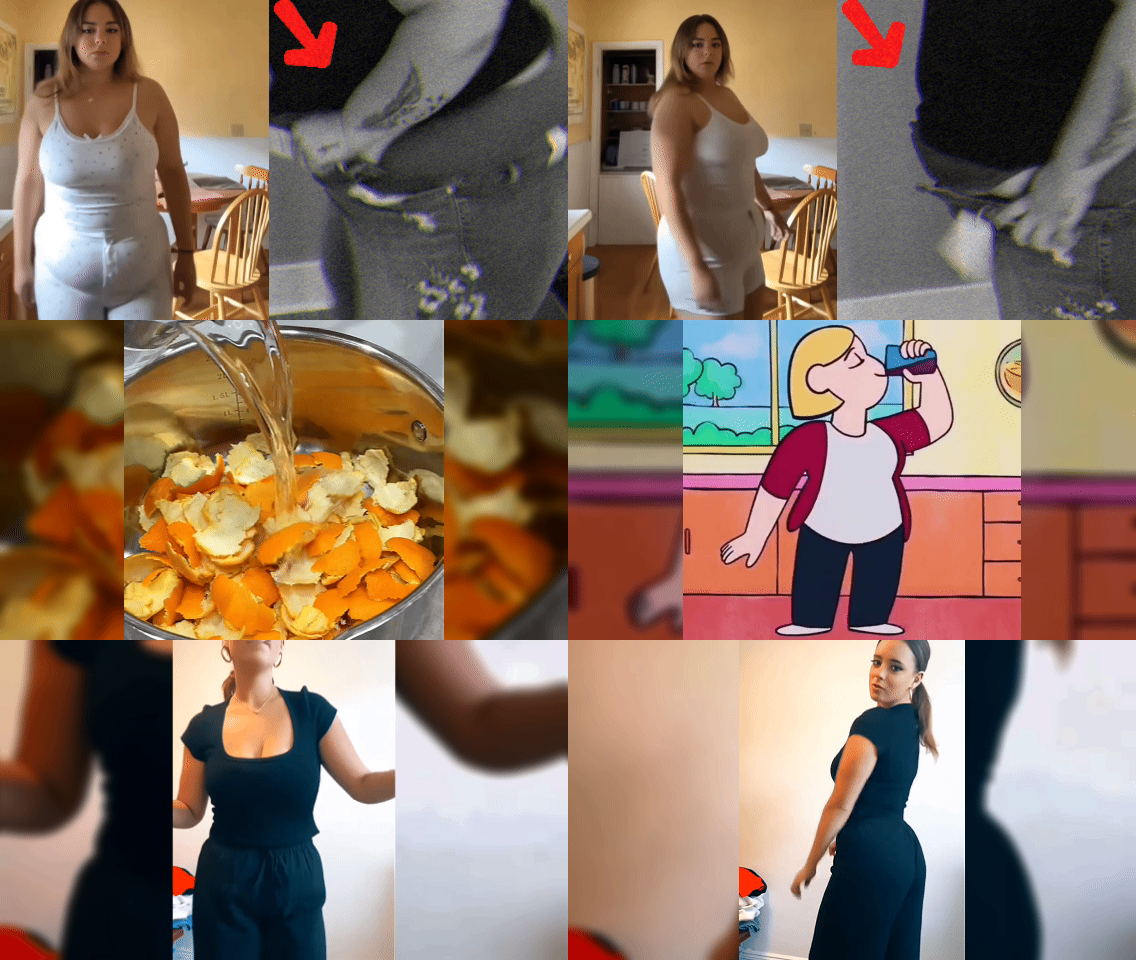
The Biggest Fat Loss Mistakes People Make Without Realizing

Losing weight and burning body fat can feel like a constant battle. Many people put in effort—counting calories, exercising regularly, and trying the latest diet trends—yet still struggle to see meaningful results. The frustrating truth is that fat loss is often sabotaged not by a lack of effort, but by hidden mistakes people don’t even realize they’re making.

These mistakes are incredibly common. In fact, some of the most popular advice in the fitness world unintentionally leads people down the wrong path. If you’re someone who has been trying to lose weight but feels stuck, the problem may not be your discipline. It may simply be that you’re unknowingly following strategies that slow your progress.

In this guide, we will explore the biggest fat loss mistakes people make without realizing it, why they happen, and how to fix them. By understanding these hidden pitfalls, you can dramatically improve your chances of losing weight in a healthy and sustainable way.

1. Focusing Only on the Scale

One of the biggest mistakes people make when trying to lose fat is obsessing over the number on the scale.

While the scale measures body weight, it does not distinguish between fat, muscle, water, and glycogen levels. This means the number can fluctuate daily due to factors that have nothing to do with actual fat loss.

For example:

  • Water retention from salty foods
  • Hormonal changes
  • Muscle gain from workouts
  • Carbohydrate intake

You could be losing fat and building muscle at the same time, yet the scale may barely move.

What to Do Instead

Use multiple methods to track progress:

  • Body measurements (waist, hips, chest)
  • Progress photos
  • How your clothes fit
  • Body fat percentage
  • Strength improvements in the gym

These indicators often tell a much more accurate story than the scale alone.

2. Trying to Lose Weight Too Quickly

Many people want rapid results. The fitness industry constantly promotes “lose 10 pounds in 10 days” type promises. While quick weight loss may sound appealing, it usually leads to muscle loss, metabolic slowdown, and rebound weight gain.

When you drastically cut calories, your body responds by entering a conservation mode. This survival response lowers your metabolism and makes fat loss harder over time.

Extreme dieting also increases hunger hormones, making it nearly impossible to sustain long-term.

What Sustainable Fat Loss Looks Like

Healthy fat loss usually occurs at a rate of:

  • 0.5 to 1 kg per week
  • Or 0.5–1% of body weight per week

Slow progress may feel frustrating, but it is far more sustainable and helps preserve muscle mass.

3. Eating Too Little

Surprisingly, many people sabotage fat loss by undereating.

Crash diets that cut calories too aggressively can backfire in several ways:

  • Reduced metabolism
  • Increased fatigue
  • Hormonal imbalances
  • Loss of muscle mass
  • Intense cravings

Your body requires a certain amount of energy just to perform basic functions like breathing, digestion, and brain activity.

When calories drop too low for too long, the body adapts by burning fewer calories throughout the day.

The Better Strategy

Instead of extreme restriction:

  • Create a moderate calorie deficit
  • Prioritize nutrient-dense foods
  • Eat enough protein
  • Maintain energy for workouts

Fat loss should feel challenging but not miserable.

4. Ignoring Protein Intake

Protein is one of the most powerful nutrients for fat loss, yet many people do not consume enough of it.

Protein helps with weight loss because it:

  • Preserves lean muscle
  • Increases satiety
  • Boosts metabolism through the thermic effect of food
  • Reduces cravings

Low-protein diets often leave people feeling hungry and tired, which increases the likelihood of overeating later.

Ideal Protein Intake

A good guideline for fat loss is:

1.6–2.2 grams of protein per kilogram of body weight per day

Protein-rich foods include:

  • Lean meats
  • Fish
  • Eggs
  • Greek yogurt
  • Beans and legumes
  • Protein shakes
  • Tofu and tempeh

Increasing protein intake alone can significantly improve fat loss results.

5. Doing Too Much Cardio

Cardio exercise is often associated with weight loss, but more cardio does not always equal more fat loss.

Many people believe hours of running, cycling, or elliptical training is the fastest way to burn fat. While cardio does burn calories, excessive cardio can cause:

  • Increased hunger
  • Muscle loss
  • Overtraining
  • Reduced motivation

Muscle is metabolically active tissue that helps burn calories even at rest. Losing muscle through excessive cardio can slow metabolism over time.

A More Balanced Approach

The most effective fat loss programs include:

  • Strength training 3–4 times per week
  • Moderate cardio sessions
  • Daily movement (walking, steps)

Resistance training helps preserve muscle while your body burns fat.

6. Underestimating Calorie Intake

Many people believe they are eating less than they actually are.

Studies consistently show that individuals often underestimate their calorie intake by 20–50%.

Common hidden calorie sources include:

  • Cooking oils
  • Salad dressings
  • Coffee drinks
  • Sugary beverages
  • Snacks and bites between meals
  • Restaurant portions

Even healthy foods can lead to weight gain if eaten in excessive quantities.

How to Improve Awareness

Try tracking your food intake for a few weeks using a calorie tracking app. This practice helps reveal patterns and provides a clearer picture of your actual consumption.

7. Drinking Too Many Calories

Liquid calories are one of the most overlooked obstacles in fat loss.

Unlike solid foods, beverages do not create the same level of fullness, making it easy to consume hundreds of extra calories without noticing.

Common high-calorie drinks include:

  • Soda
  • Sweetened coffee drinks
  • Fruit juices
  • Alcohol
  • Smoothies loaded with sugar
Better Alternatives

Replace high-calorie beverages with:

  • Water
  • Sparkling water
  • Unsweetened tea
  • Black coffee
  • Low-calorie drinks

This single change can significantly reduce daily calorie intake.

8. Poor Sleep Habits

Sleep is one of the most underestimated factors in fat loss.

When you sleep poorly, several hormonal changes occur:

  • Increased hunger hormone (ghrelin)
  • Reduced satiety hormone (leptin)
  • Increased cravings for high-calorie foods
  • Reduced energy and motivation for exercise

Research shows that people who sleep less than six hours per night are significantly more likely to gain weight.

Sleep Recommendations

Aim for:

  • 7–9 hours of sleep per night
  • Consistent sleep and wake times
  • Reduced screen exposure before bed
  • A cool, dark sleeping environment

Improving sleep can dramatically improve fat loss outcomes.

9. Relying on Motivation Instead of Habits

Motivation is powerful but unreliable.

Most people start their weight loss journey highly motivated. However, motivation naturally fluctuates due to stress, work, family responsibilities, and daily life challenges.

When people rely solely on motivation, their routines collapse when motivation fades.

The Power of Habits

Successful fat loss depends on building consistent habits, such as:

  • Preparing meals in advance
  • Scheduling workouts
  • Keeping healthy foods accessible
  • Tracking progress regularly

Habits remove the need for constant decision-making and help maintain consistency over time.

10. Expecting Perfection

One of the most damaging mindsets in weight loss is the all-or-nothing mentality.

Many people believe that if they eat one unhealthy meal, they have “ruined” their progress and may as well give up entirely.

In reality, fat loss is determined by long-term patterns, not individual meals.

A Healthier Perspective

Instead of striving for perfection:

  • Aim for consistency
  • Allow occasional indulgences
  • Focus on weekly progress rather than daily perfection

Sustainable fat loss is about balance, not restriction.

11. Following Extreme Diet Trends

Every year, new diet trends appear promising fast results.

Some popular examples include:

  • Extremely low-carb diets
  • Juice cleanses
  • Detox diets
  • Single-food diets

While some of these approaches may produce short-term weight loss, they are rarely sustainable and often lead to weight regain.

The Best Diet for Fat Loss

The best diet is one that:

  • Creates a calorie deficit
  • Includes balanced nutrition
  • Fits your lifestyle
  • Is sustainable long term

There is no single perfect diet for everyone.

12. Not Being Patient Enough

Fat loss takes time. The body does not change overnight.

Many people quit after a few weeks because they feel progress is too slow. However, meaningful and lasting transformation often requires months of consistent effort.

Remember that the goal is not just losing weight temporarily, but creating a lifestyle that supports long-term health.

Small improvements repeated daily eventually lead to significant results.

Final Thoughts

Fat loss is not simply about willpower or discipline. Many people work incredibly hard yet struggle because they unknowingly make common mistakes that slow their progress.

By avoiding these pitfalls—such as obsessing over the scale, eating too little, neglecting protein, relying solely on cardio, and ignoring sleep—you can dramatically improve your results.

The most successful fat loss journeys are built on sustainable habits, balanced nutrition, consistent exercise, and patience.

Instead of chasing quick fixes or extreme diets, focus on creating a healthy lifestyle you can maintain for years. When you approach fat loss with this mindset, not only will the weight come off, but it will stay off.

Remember: lasting change is not about perfection. It is about consistent progress.
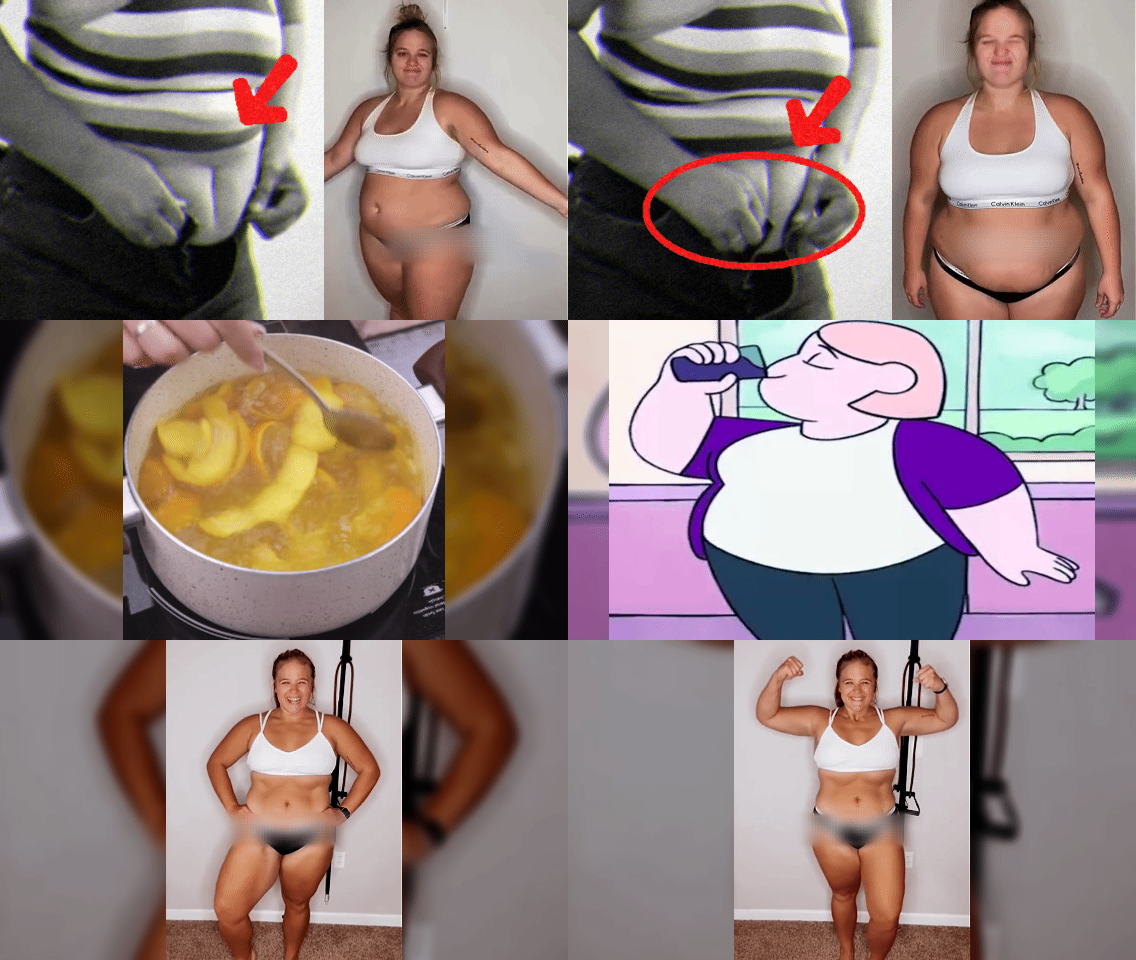
7 Common Diet Mistakes That Make You Gain More Fat

Many people begin a diet with the hope of losing weight, improving their health, and feeling more confident in their bodies. At first, motivation is high. You might start eating less, cutting out certain foods, or following a popular diet plan. But after weeks or even months of effort, something frustrating happens: the scale barely moves, or worse, you start gaining fat instead of losing it.

This experience is far more common than most people realize. The truth is that dieting mistakes can actually push your body into fat-storage mode rather than fat-burning mode. Certain habits that seem healthy on the surface can disrupt your metabolism, increase hunger hormones, and cause your body to hold on to fat.

Understanding these mistakes is one of the most powerful steps you can take toward successful weight loss. When you correct them, your body can begin to respond the way you hoped it would from the start.

In this article, we’ll explore seven common diet mistakes that make you gain more fat and explain what you can do instead to support healthy, sustainable fat loss.

1. Drastically Cutting Calories

One of the most common mistakes people make when trying to lose weight is cutting calories too aggressively.

It might seem logical: if eating fewer calories leads to weight loss, then eating extremely few calories should produce faster results. Unfortunately, the human body doesn’t work that way.

When calorie intake drops too low, your body activates a survival response. It slows down your metabolism to conserve energy and protect against what it perceives as starvation.

This metabolic slowdown can lead to several problems:

Your body burns fewer calories throughout the day
Fat loss slows dramatically
Energy levels drop
Cravings increase

Over time, this can cause intense hunger and binge eating, which often results in gaining back the weight — sometimes with additional fat.

A better approach is to create a moderate calorie deficit while still providing your body with the nutrients it needs to function properly. Sustainable weight loss happens when your metabolism continues working efficiently.

2. Skipping Meals

Skipping meals is another diet habit that often backfires.

Many people believe that skipping breakfast or lunch will help them reduce calorie intake. However, this strategy can easily lead to extreme hunger later in the day, which increases the likelihood of overeating.

When you skip meals, several things happen inside your body:

Blood sugar levels drop
Energy levels decline
Hunger hormones increase
Cravings for high-calorie foods intensify

As a result, when you finally eat, you may consume far more calories than you would have if you had eaten regularly throughout the day.

Instead of skipping meals, focus on balanced eating patterns that include protein, fiber, and healthy fats. These nutrients help stabilize blood sugar levels and keep you feeling satisfied longer.

3. Avoiding All Fats

For many years, fat was blamed as the main cause of weight gain. This belief led many people to eliminate fats almost completely from their diets.

But the reality is that healthy fats are essential for weight loss and overall health.

Healthy fats help regulate hormones, support brain function, and promote feelings of fullness after meals. When you remove fats entirely from your diet, you may find yourself feeling hungry shortly after eating.

This constant hunger often leads to increased snacking and overeating.

Healthy fats that support weight management include:

Avocados
Nuts and seeds
Olive oil
Fatty fish such as salmon
Natural nut butters

Including moderate amounts of healthy fats in meals can help control appetite and reduce cravings.

4. Relying Too Much on “Healthy” Processed Foods

Modern supermarkets are filled with products marketed as healthy or diet-friendly. Labels such as “low fat,” “sugar free,” “gluten free,” or “natural” can make foods seem like excellent choices for weight loss.

However, many of these products are highly processed and contain hidden ingredients that may contribute to fat gain.

For example, some low-fat foods contain added sugars to improve taste. Sugar-free products may contain artificial sweeteners that increase cravings. Many packaged diet snacks are high in refined carbohydrates that spike blood sugar levels.

These blood sugar spikes are often followed by rapid drops in energy, which trigger hunger and lead to more eating.

Instead of relying heavily on packaged diet foods, focus on whole foods such as:

Vegetables
Fruits
Lean proteins
Whole grains
Legumes
Nuts and seeds

Whole foods are naturally more satisfying and support better metabolic health.

5. Drinking Too Many Calories

Liquid calories are one of the easiest ways to accidentally sabotage a diet.

Unlike solid foods, beverages often do not trigger the same level of fullness. This means you can consume hundreds of calories without realizing it.

Common sources of hidden liquid calories include:

Sugary coffee drinks
Fruit juices
Sweetened teas
Energy drinks
Alcoholic beverages
Smoothies with added sugar

Even beverages that appear healthy can contain large amounts of calories. For example, a store-bought smoothie can sometimes contain the same number of calories as a full meal.

Replacing high-calorie beverages with lower-calorie options can significantly reduce daily calorie intake.

Better choices include:

Water
Sparkling water
Herbal tea
Black coffee

Hydration is important, but choosing the right beverages makes a big difference for weight management.

6. Ignoring Protein Intake

Protein is one of the most important nutrients for fat loss, yet it is often overlooked during dieting.

Protein helps preserve muscle mass when you are losing weight. This is important because muscle tissue burns more calories than fat tissue, even when your body is at rest.

Protein also increases feelings of fullness and reduces hunger.

Research consistently shows that people who consume higher-protein diets tend to feel more satisfied and naturally eat fewer calories throughout the day.

Good sources of protein include:

Eggs
Chicken breast
Fish
Greek yogurt
Tofu
Beans and lentils
Lean beef

Including protein in every meal helps support metabolism and prevents the muscle loss that often occurs during dieting.

7. Following Extreme or Unsustainable Diets

Many diets promise dramatic results in a short period of time. While these plans may produce quick weight loss initially, they are often difficult to maintain long-term.

Extreme diets typically involve severe food restrictions, eliminating entire food groups, or eating extremely small portions.

While you may lose weight quickly at first, these diets often lead to several problems:

Nutrient deficiencies
Fatigue and low energy
Strong cravings
Loss of muscle mass

Eventually, most people return to their previous eating habits, and the lost weight comes back. This cycle is known as yo-yo dieting, and it can make future weight loss even more difficult.

Sustainable weight loss requires an approach that you can maintain for months and years, not just weeks.

Instead of chasing quick fixes, focus on building healthy habits that support your lifestyle.

Building a Smarter Approach to Weight Loss

If you have been struggling with fat gain despite dieting, the issue may not be your effort but the strategies you are using.

Correcting common diet mistakes can help your body shift from storing fat to burning it more efficiently.

A healthier approach to weight loss often includes:

Eating balanced meals with protein, fiber, and healthy fats
Maintaining a moderate calorie deficit rather than extreme restriction
Staying physically active throughout the week
Prioritizing sleep and stress management
Choosing mostly whole, unprocessed foods

Weight loss does not need to be extreme to be effective. Small, consistent improvements in daily habits often lead to the most lasting results.

When you nourish your body properly and avoid the common traps that sabotage progress, losing fat becomes much more achievable.

Remember that sustainable weight loss is not about perfection. It’s about building habits that support your health, energy, and well-being over time.

By avoiding these seven common diet mistakes, you can create a healthier relationship with food and move closer to the results you’ve been working toward.

10 Weight Loss Mistakes That Are Slowing Your Progress

Losing weight often seems straightforward: eat less, move more, and the pounds should disappear. Yet for many people, the journey feels frustratingly slow or even completely stalled. You may be exercising regularly, eating what you believe is a healthy diet, and still not seeing the results you expected.

If this sounds familiar, you’re not alone. One of the biggest reasons people struggle with weight loss is not a lack of effort but a series of common mistakes that unknowingly sabotage progress.

Weight loss is not just about willpower. It involves metabolism, hormones, sleep quality, nutrition, stress levels, and daily habits. Even small missteps in these areas can slow down your results dramatically.

In this article, we’ll explore 10 weight loss mistakes that may be slowing your progress and what you can do instead to start seeing real, sustainable results.

1. Eating Too Little

It might sound surprising, but eating too little can actually slow weight loss.

When you drastically cut calories, your body interprets it as a potential starvation situation. In response, it lowers your metabolic rate to conserve energy. This means you burn fewer calories throughout the day.

Signs you might be eating too little include:

  • Constant fatigue
  • Feeling cold frequently
  • Intense cravings
  • Weight loss plateau

Instead of severe calorie restriction, focus on creating a moderate calorie deficit while still providing your body with the nutrients it needs to function properly.

Balanced meals with protein, healthy fats, and complex carbohydrates help maintain metabolism and prevent energy crashes.

2. Not Eating Enough Protein

Protein plays a crucial role in fat loss. Yet many people trying to lose weight don’t consume enough of it.

Protein helps with weight loss by:

  • Increasing feelings of fullness
  • Preserving muscle mass during calorie deficits
  • Boosting metabolism through the thermic effect of food

Without adequate protein, your body may break down muscle tissue for energy. Losing muscle slows metabolism, making weight loss harder over time.

Good sources of protein include:

  • Eggs
  • Fish
  • Chicken breast
  • Greek yogurt
  • Beans and lentils
  • Tofu

Aim to include protein in every meal to support fat loss and maintain lean muscle.

3. Doing Only Cardio Workouts

Cardio exercises like running, cycling, or walking are excellent for burning calories and improving heart health. However, relying only on cardio can slow your weight loss progress.

Strength training is equally important because it helps build and maintain muscle. Muscle tissue burns more calories at rest than fat tissue, meaning a stronger body supports a faster metabolism.

An effective workout routine typically includes:

  • Strength training 2–4 times per week
  • Cardio sessions for heart health
  • Active daily movement such as walking

Combining these elements creates a more efficient fat-burning environment in your body.

4. Ignoring Portion Sizes

Even healthy foods can lead to weight gain if eaten in excessive amounts.

Foods like nuts, avocado, olive oil, and whole grains are nutritious but also calorie-dense. Without realizing it, portion sizes can grow larger over time.

For example:

  • A handful of nuts can quickly become several handfuls
  • A tablespoon of peanut butter turns into three
  • A small bowl of rice becomes a large serving

Practicing portion awareness can make a big difference. You don’t necessarily need to count every calorie, but being mindful of serving sizes helps prevent accidental overeating.

5. Drinking Your Calories

One of the most overlooked weight loss mistakes is consuming too many liquid calories.

Sugary beverages, flavored coffee drinks, smoothies, and even fruit juices can add hundreds of calories to your day without making you feel full.

Common high-calorie drinks include:

  • Sweetened coffee drinks
  • Soda
  • Energy drinks
  • Store-bought smoothies
  • Alcohol

Replacing these with lower-calorie options can dramatically reduce daily calorie intake.

Better choices include:

  • Water
  • Sparkling water
  • Unsweetened tea
  • Black coffee

Simply switching beverages can sometimes lead to noticeable weight loss without changing anything else.

6. Not Getting Enough Sleep

Sleep is often overlooked in weight loss discussions, but it plays a massive role in metabolism and appetite regulation.

Poor sleep disrupts hormones that control hunger:

  • Ghrelin increases, making you feel hungrier
  • Leptin decreases, reducing feelings of fullness

As a result, sleep deprivation often leads to stronger cravings for high-calorie foods, particularly sugar and refined carbohydrates.

Lack of sleep can also increase stress hormones such as cortisol, which encourages fat storage, especially around the abdominal area.

Most adults should aim for 7–9 hours of quality sleep each night to support healthy weight management.

7. Relying on “Diet” or “Low-Fat” Foods

Many foods labeled as “diet,” “low-fat,” or “sugar-free” are heavily processed and not necessarily helpful for weight loss.

When fat is removed from food, manufacturers often replace it with sugar, starch, or artificial ingredients to improve flavor.

These products may:

  • Increase cravings
  • Cause blood sugar spikes
  • Lead to overeating later

Instead of focusing on processed diet foods, prioritize whole, minimally processed foods such as:

  • Vegetables
  • Fruits
  • Lean proteins
  • Whole grains
  • Healthy fats

Whole foods support stable energy levels and natural appetite control.

8. Not Managing Stress

Chronic stress can make weight loss significantly more difficult.

When you experience stress, your body releases cortisol, a hormone that can increase appetite and promote fat storage. High cortisol levels are also linked to cravings for high-sugar and high-fat foods.

Stress-related eating is common and often happens unconsciously.

Healthy stress management techniques include:

  • Walking outdoors
  • Meditation or breathing exercises
  • Journaling
  • Regular exercise
  • Talking with supportive friends or family

Reducing stress not only benefits mental health but also supports hormonal balance and fat loss.

9. Expecting Fast Results

One of the most common reasons people abandon their weight loss efforts is unrealistic expectations.

Social media and marketing often promote dramatic transformations that occur in very short periods. In reality, sustainable weight loss is usually gradual.

A healthy rate of weight loss is typically:

  • About 0.5–1 kg (1–2 pounds) per week

Slow progress may not feel exciting, but it’s far more likely to lead to long-term success and prevent weight regain.

Patience and consistency are far more powerful than extreme dieting.

10. Being Inconsistent

Consistency is the foundation of successful weight loss.

Many people follow a healthy routine during the week but completely abandon it on weekends. Others switch diets frequently, never giving one approach enough time to work.

Small habits repeated daily create the biggest results.

Instead of aiming for perfection, focus on consistent healthy choices most of the time, such as:

  • Cooking balanced meals
  • Staying active daily
  • Drinking enough water
  • Maintaining regular sleep patterns

Weight loss is not about being perfect. It’s about building sustainable habits that support your health long-term.

How to Start Making Real Progress

If your weight loss progress feels slow, the solution may not be working harder but working smarter.

Start by identifying which of these mistakes might apply to your situation. Even correcting one or two of them can create noticeable improvements.

Focus on building a lifestyle that supports your body instead of fighting against it.

Key habits that support sustainable weight loss include:

  • Eating balanced, nutrient-dense meals
  • Prioritizing protein intake
  • Strength training regularly
  • Getting enough sleep
  • Managing stress
  • Staying consistent over time

Remember that healthy weight loss is a journey, not a quick fix.

The goal isn’t just to lose weight but to create habits that allow you to maintain your results and feel better physically and mentally.

With patience, awareness, and the right strategies, you can overcome the common mistakes that slow progress and finally start seeing the results you deserve.

Why Your Body Stops Burning Fat After 30

Many people notice a frustrating shift in their bodies after the age of 30. The strategies that once worked effortlessly—skipping a few meals, going for a jog, or cutting back on snacks—no longer seem to produce the same results. The scale moves slower, belly fat becomes more stubborn, and weight gain appears easier than ever.

If you’ve ever wondered why losing weight feels harder after 30, you’re not imagining things. Your body undergoes several biological and lifestyle changes during this stage of life that can affect metabolism, hormones, muscle mass, and fat storage.

However, the truth is this: your body does not actually lose the ability to burn fat after 30. Instead, certain internal shifts make fat burning less efficient unless you adjust your habits accordingly.

Understanding these changes is the first step toward reclaiming control over your metabolism and achieving sustainable weight loss.

Metabolism Naturally Slows With Age

One of the most commonly cited reasons people struggle with weight loss after 30 is a gradual slowdown in metabolism.

Metabolism refers to all the chemical processes your body uses to convert food into energy. This includes:

Resting metabolic rate (calories burned at rest)
Energy used for digestion
Energy used for physical activity

As you age, your resting metabolic rate tends to decline slightly each decade. This means your body burns fewer calories performing the same daily tasks.

Several factors contribute to this shift, including reduced muscle mass, hormonal changes, and lower levels of physical activity.

Even small decreases in metabolic rate can lead to gradual weight gain over time if calorie intake remains unchanged.

Loss of Muscle Mass Reduces Fat Burning

Beginning around age 30, most people start losing muscle mass at a slow but steady rate—a process known as sarcopenia.

Muscle tissue plays a critical role in metabolism because it burns more calories than fat tissue, even while you are resting.

The more muscle you have, the higher your metabolic rate.

However, if you’re not actively engaging in strength training or resistance exercises, muscle mass can gradually decline each year.

As muscle decreases:

Your resting calorie burn drops
Your body becomes less efficient at burning fat
Weight gain becomes easier

This shift often leads people to believe their metabolism has “broken,” when in reality the issue is simply less metabolically active tissue in the body.

Hormonal Changes Affect Fat Storage

Your 30s often mark the beginning of subtle hormonal shifts that influence how your body stores and burns fat.

Hormones regulate many aspects of metabolism, including appetite, energy use, and fat distribution.

Several key hormones begin to change during this period.

Insulin Sensitivity Declines

Insulin helps your body regulate blood sugar levels and store energy.

Over time, poor diet, stress, lack of sleep, and inactivity can reduce insulin sensitivity. When this happens, your body becomes less efficient at using carbohydrates for energy and more likely to store excess calories as fat.

This can lead to increased fat accumulation, especially around the abdomen.

Cortisol Levels May Increase

Cortisol is often referred to as the stress hormone.

Busy careers, financial responsibilities, parenting, and lifestyle pressures often increase during your 30s, leading to higher stress levels.

Chronic stress can elevate cortisol levels, which can promote fat storage, increase appetite, and trigger cravings for sugary foods.

High cortisol is strongly associated with belly fat accumulation.

Changes in Sex Hormones

Both men and women experience gradual shifts in sex hormones after 30.

In women, estrogen levels slowly fluctuate, which can influence fat distribution and appetite.

In men, testosterone levels may decline gradually, which can reduce muscle mass and slow metabolism.

These hormonal changes can make fat loss more challenging if lifestyle habits remain unchanged.

Busy Lifestyles Reduce Physical Activity

Another major factor affecting fat burning after 30 is simply reduced movement.

Many people become less physically active during this phase of life.

Longer work hours
Sedentary office jobs
Family responsibilities
Less time for exercise

All of these factors contribute to lower daily energy expenditure.

Even if you maintain the same eating habits you had in your twenties, burning fewer calories throughout the day can gradually lead to fat gain.

Poor Sleep Disrupts Fat Loss

Sleep quality often declines during adulthood due to stress, late-night screen use, and busy schedules.

Unfortunately, sleep plays a critical role in regulating metabolism and fat burning.

Insufficient sleep can disrupt several key hormones involved in appetite control.

When sleep is restricted:

The hunger hormone ghrelin increases
The fullness hormone leptin decreases
Cravings for high-calorie foods rise

At the same time, sleep deprivation increases cortisol and reduces insulin sensitivity, creating the perfect environment for weight gain.

People who consistently sleep fewer than six hours per night are significantly more likely to experience weight gain and difficulty losing fat.

Extreme Dieting Can Backfire

Many adults in their 30s attempt aggressive diets in an effort to lose weight quickly.

However, extreme calorie restriction can actually make fat loss more difficult.

When you eat too little for extended periods, your body adapts by slowing down metabolic processes in order to conserve energy.

This phenomenon, often called metabolic adaptation, reduces the number of calories your body burns each day.

Over time, this can lead to:

Fat loss plateaus
Muscle loss
Lower energy levels
Increased fat storage

In other words, the very strategy meant to accelerate weight loss can end up slowing it down.

Your Gut Health May Be Changing

Emerging research suggests that the gut microbiome—the trillions of bacteria living in your digestive system—plays a significant role in metabolism and body weight.

Diet, stress, antibiotics, and aging can all influence the composition of gut bacteria.

Certain types of gut bacteria are associated with improved fat burning, while others may contribute to weight gain and inflammation.

Poor gut health can also increase cravings, disrupt digestion, and reduce nutrient absorption, making weight management more difficult.

Hidden Calories and Modern Food Environments

Another subtle factor contributing to weight gain after 30 is simply the modern food environment.

Many processed foods are engineered to be highly palatable and easy to overeat.

Even foods marketed as “healthy” can contain hidden sugars, refined oils, and calorie-dense ingredients.

Common sources of hidden calories include:

Sweetened coffee drinks
Protein bars
Salad dressings
Smoothies
Packaged snacks

These extra calories can add up quickly, especially when combined with reduced physical activity.

How to Restart Fat Burning After 30

Although your body changes after 30, fat loss is absolutely still possible. The key is adapting your habits to support your evolving metabolism.

Build and Maintain Muscle

Strength training is one of the most effective ways to boost metabolism and improve fat burning.

By building muscle, you increase the number of calories your body burns at rest.

Aim for resistance training at least two to three times per week.

Focus on Protein Intake

Protein supports muscle maintenance and keeps you feeling fuller for longer.

It also has a higher thermic effect, meaning your body burns more calories digesting protein compared to carbohydrates or fats.

Improve Sleep Habits

Getting seven to nine hours of sleep each night can dramatically improve hormone balance and metabolic function.

Good sleep helps regulate appetite, reduce cravings, and support fat burning.

Manage Stress Levels

Chronic stress can interfere with fat loss by increasing cortisol levels.

Activities such as walking, yoga, meditation, and spending time in nature can help lower stress and improve overall health.

Choose Whole, Nutrient-Dense Foods

Prioritize foods that nourish your body rather than simply providing calories.

Vegetables
Fruits
Lean proteins
Whole grains
Healthy fats

These foods support metabolism while helping you feel satisfied.

Stay Consistently Active

In addition to structured workouts, daily movement plays a huge role in calorie burn.

Walking, standing, stretching, and household activities all contribute to non-exercise activity thermogenesis, which can significantly impact energy expenditure.

The Bottom Line

Your body does not stop burning fat after 30, but it does require a slightly different approach.

Metabolism shifts, hormones change, and lifestyle factors become more complex during this stage of life.

Instead of relying on extreme diets or quick fixes, the most effective strategy is to focus on sustainable habits that support metabolic health.

Build muscle.
Sleep well.
Manage stress.
Eat nourishing foods.
Stay active.

When you support your body in these ways, fat loss becomes not only possible but far more sustainable over the long term.

Your 30s are not the end of your metabolism—they’re simply the beginning of a new chapter that requires smarter strategies and a deeper understanding of how your body works.

Are You Eating Less but Gaining Weight? Here’s Why

Many people begin a weight loss journey with the same strategy: eat less and expect the scale to drop. It seems logical. If you reduce calories, your body should burn stored fat, right?

But for countless individuals, the opposite happens.

They eat less.
They skip meals.
They cut portions dramatically.

Yet somehow, the number on the scale goes up.

If this situation sounds familiar, you’re not alone. Many people experience the frustrating paradox of eating less but gaining weight. The truth is that weight loss is far more complex than simply reducing food intake.

Your body is not a simple calorie calculator. It is a highly intelligent survival system that constantly adapts to changes in diet, stress, sleep, hormones, and lifestyle.

In this article, we’ll explore the real reasons why eating less can actually lead to weight gain, and what you can do to fix it.

Your Metabolism Slows Down When You Eat Too Little

One of the most common reasons people gain weight despite eating less is metabolic adaptation.

Your metabolism is responsible for converting food into energy. When your body senses a drastic reduction in calories, it interprets this as a potential famine or survival threat.

As a result, your body begins to conserve energy.

This leads to several metabolic changes:

Your resting metabolic rate decreases
Your body burns fewer calories throughout the day
Fat burning becomes less efficient
Energy levels drop

This phenomenon is often called “starvation mode”, though a more accurate term is adaptive thermogenesis.

When this happens, your body becomes incredibly efficient at surviving on fewer calories. Instead of burning fat, it tries to protect fat stores, because from an evolutionary perspective, fat equals survival.

So even if you’re eating less than before, your body may now be burning significantly fewer calories, making weight loss difficult or even impossible.

Severe Calorie Restriction Can Increase Fat Storage

Ironically, extreme dieting can make your body better at storing fat.

When your calorie intake drops too low, your body begins to prioritize:

Fat preservation
Muscle breakdown
Energy conservation

Muscle tissue is metabolically active, meaning it burns calories even when you’re resting. When your body starts breaking down muscle for energy, your overall metabolic rate drops even further.

This creates a vicious cycle:

You eat less
Your metabolism slows
You lose muscle
Fat burning becomes harder

Eventually, your body becomes more prone to storing fat instead of burning it.

Hormones That Control Hunger Become Disrupted

Your body relies on several hormones to regulate hunger, fullness, and metabolism.

When you consistently under-eat, these hormones can become imbalanced.

Two key hormones involved are:

Ghrelin – the hormone that signals hunger
Leptin – the hormone that signals fullness

When you restrict calories too aggressively:

Ghrelin levels increase, making you feel hungrier
Leptin levels decrease, making it harder to feel satisfied

This hormonal shift can lead to intense cravings, especially for high-calorie foods like sugar and processed carbohydrates.

Eventually, many people experience episodes of uncontrolled overeating or binge eating, even if they were extremely disciplined at first.

This pattern can easily result in net weight gain over time.

Stress Hormones Can Trigger Fat Gain

Dieting itself can be stressful for the body.

When your body perceives stress, it releases cortisol, a hormone designed to help you survive challenging situations.

However, chronically elevated cortisol can have several negative effects:

Increased appetite
More cravings for sugary foods
Higher fat storage
Greater belly fat accumulation

Many studies show that high cortisol levels are strongly linked to abdominal fat gain, which is the type of fat most associated with metabolic disease.

If your diet leaves you constantly feeling deprived, exhausted, or anxious about food, your body may respond by increasing stress hormones that promote fat storage.

You May Be Losing Muscle Instead of Fat

When people eat very little food—especially if their diet lacks sufficient protein—the body often turns to muscle tissue for energy.

Losing muscle is one of the worst outcomes for long-term weight management.

Muscle helps:

Boost metabolism
Improve insulin sensitivity
Increase calorie burn

The more muscle you have, the easier it is for your body to burn fat.

But when muscle mass decreases, your metabolic rate slows down dramatically.

As a result, your body may begin storing more fat even if you’re eating less than before.

Poor Sleep Can Sabotage Weight Loss

Sleep is one of the most underestimated factors in weight management.

If you’re not getting enough high-quality sleep, your body’s hormonal balance can shift in ways that promote weight gain.

Sleep deprivation can cause:

Higher ghrelin levels (increased hunger)
Lower leptin levels (reduced fullness)
Increased cortisol
Reduced insulin sensitivity

In simple terms, your body becomes programmed to eat more and burn less.

People who sleep fewer than six hours per night are significantly more likely to experience weight gain, even if they maintain similar eating habits.

Your Body May Be Holding onto Water

Another surprising reason you may gain weight while eating less is water retention.

Extreme dieting can create physiological stress, which triggers hormonal responses that cause the body to retain water.

This can happen due to:

Elevated cortisol
Inflammation
Changes in sodium balance
Increased carbohydrate fluctuations

The scale may go up, but the weight gain may not necessarily be fat—it could simply be temporary water weight.

Hidden Calories Can Add Up Quickly

Sometimes people unintentionally consume more calories than they realize.

Even when eating smaller meals, hidden calories from everyday foods can accumulate quickly.

Common sources include:

Cooking oils
Salad dressings
Sugary drinks
Coffee creamers
Snacks between meals
“Healthy” packaged foods

Because these calories often go unnoticed, people may believe they are eating less when they are actually consuming more calories than expected.

Your Body Needs Enough Fuel to Burn Fat

One of the biggest misconceptions about weight loss is that less food always equals more fat loss.

In reality, your body needs sufficient nutrients and energy to maintain a healthy metabolism.

When your body is properly fueled, it can:

Burn fat efficiently
Maintain muscle mass
Stabilize hormones
Support physical activity

But when you consistently deprive your body of energy, it shifts into conservation mode, making fat loss significantly harder.

What You Should Do Instead

If you feel like you’re eating less but still gaining weight, the solution may not be to eat even less.

Instead, focus on supporting your metabolism and overall health.

Prioritize Protein

Protein helps preserve muscle mass and keeps you feeling full longer.

It also has a higher thermic effect, meaning your body burns more calories digesting protein compared to fats or carbohydrates.

Strength Training

Resistance training helps build muscle, which can increase your metabolic rate and improve body composition.

Even two to three sessions per week can make a significant difference.

Avoid Extreme Dieting

Moderate, sustainable calorie deficits are far more effective than drastic restrictions.

Your goal should be long-term metabolic health, not rapid short-term weight loss.

Improve Sleep Quality

Aim for at least 7–9 hours of sleep per night to support hormone balance and metabolic function.

Manage Stress

Practices like meditation, walking, and deep breathing can help lower cortisol levels and support healthy weight management.

Focus on Whole Foods

Eating nutrient-dense foods like vegetables, fruits, lean proteins, whole grains, and healthy fats can support your metabolism while keeping you satisfied.

The Bottom Line

If you’re eating less but gaining weight, it doesn’t mean you’re failing.

It simply means your body is responding to signals it interprets as stress or scarcity.

Weight loss is not just about willpower or calorie counting. It’s about understanding how your body responds to nutrition, hormones, sleep, stress, and activity.

When you support your body instead of fighting against it, fat loss becomes far more sustainable.

Instead of asking, “How can I eat less?”, the better question may be:

“How can I help my body feel safe enough to release stored fat?”

Once you shift your focus toward metabolic health and balanced habits, the results often begin to follow naturally.