
Night Blindness Solutions: Improve Your Vision in Low Light

Night blindness, also known as nyctalopia, is a condition where a person struggles to see clearly in dim lighting or at night. While it doesn’t mean complete blindness in the dark, it can significantly affect daily life — making driving, walking in poorly lit areas, or even adjusting from bright sunlight to darker environments difficult. Fortunately, there are several night blindness solutions that can help you improve your vision in low light and regain confidence in your daily activities.

In this article, we’ll explore the causes, symptoms, and practical strategies to manage night blindness, along with lifestyle changes, supplements, and medical treatments that can help.

What is Night Blindness?

Night blindness is not a disease itself but a symptom of an underlying vision issue. People with night blindness often notice:

  • Difficulty driving at night
  • Struggling to see stars or objects in dim light
  • Needing extra time to adjust when moving from a bright area to a dark one
  • Poor contrast sensitivity (distinguishing objects against a background in low light)

The most common cause of night blindness is retinitis pigmentosa, but it can also result from vitamin A deficiency, cataracts, glaucoma, diabetes, or nearsightedness.

Common Causes of Night Blindness

  1. Vitamin A Deficiency
    Vitamin A is essential for producing rhodopsin, a pigment in the retina that helps the eyes see in low light. Without enough vitamin A, the retina cannot function properly, leading to night vision problems.
  2. Cataracts
    Cataracts cause cloudiness in the lens of the eye, making it harder for light to enter. This reduces clarity, especially at night when lighting is limited.
  3. Glaucoma and Glaucoma Medications
    Glaucoma can damage the optic nerve, affecting vision. Some glaucoma medications also constrict the pupil, making it harder to see in the dark.
  4. Diabetes and Diabetic Retinopathy
    High blood sugar can damage blood vessels in the retina, impairing low-light vision.
  5. Retinitis Pigmentosa (RP)
    RP is a genetic disorder where the retina slowly deteriorates, leading to progressive night blindness.
  6. Nearsightedness (Myopia)
    People with severe myopia may experience worse vision in low-light conditions.

Symptoms of Night Blindness

Recognizing the symptoms early can help you seek solutions before the condition worsens. Common symptoms include:

  • Trouble recognizing faces or objects in dim light
  • Needing brighter lights for activities such as reading
  • Poor depth perception at night
  • Difficulty adjusting vision when entering dark rooms
  • Increased glare or halos around lights while driving

Night Blindness Solutions: How to Improve Vision in Low Light

1. Nutritional Support and Supplements

Diet plays a key role in eye health. Adding vision-boosting nutrients to your meals can make a big difference.

  • Vitamin A-rich foods: Carrots, sweet potatoes, spinach, kale, and liver
  • Zinc: Helps the body absorb vitamin A (found in oysters, beef, pumpkin seeds)
  • Omega-3 fatty acids: Support retinal health (found in salmon, tuna, walnuts, chia seeds)
  • Lutein and Zeaxanthin: Antioxidants that protect the retina (found in kale, eggs, corn)

Supplements like lutein + zeaxanthin, omega-3s, and vitamin A can help fill dietary gaps. Always consult your doctor before starting new supplements.

2. Improve Lighting at Home and Work

If you suffer from night blindness, optimizing your environment can help reduce strain.

  • Use brighter LED bulbs in hallways and staircases
  • Add motion-sensor night lights in bathrooms and bedrooms
  • Use task lighting for reading or cooking
  • Minimize glare by using anti-reflective lenses on glasses

3. Corrective Lenses and Treatments

  • Prescription Glasses or Contacts: If nearsightedness or astigmatism is contributing, updated lenses can improve clarity.
  • Anti-reflective coating: Helps reduce glare from headlights when driving at night.
  • Cataract surgery: Removes cloudy lenses and replaces them with clear artificial ones, drastically improving night vision.
  • Glaucoma management: Adjusting medication or surgery may help restore better vision in dim light.

4. Lifestyle Adjustments for Safer Night Activities

  • Avoid night driving when possible, or ask someone else to drive.
  • Clean car windshields and glasses regularly to reduce glare.
  • Use polarized sunglasses during the day to prevent excessive light sensitivity at night.
  • Give eyes time to adjust when entering darker spaces.

5. Regular Eye Exams

Eye exams are critical in diagnosing underlying conditions early. Your eye doctor may use:

  • Retinal imaging to check for retinitis pigmentosa or diabetic damage
  • Visual acuity tests for nearsightedness
  • Slit-lamp exams to detect cataracts
  • Visual field tests to measure peripheral vision loss

Catching problems early allows for more effective treatment.

Natural Remedies and Eye Exercises

While night blindness often requires medical treatment, some natural approaches may help improve overall eye function:

  • Palming exercise: Gently covering your eyes with your palms to relax the eye muscles
  • Focus-shifting exercise: Shifting focus from near to distant objects to improve flexibility
  • Dark adaptation practice: Spending time in dimly lit spaces to train your eyes gradually
  • Avoiding smoking and alcohol, which damage blood vessels and eye tissues

When to See a Doctor

Seek medical help if:

  • Night blindness develops suddenly
  • You notice halos, flashes of light, or sudden vision loss
  • Your vision worsens despite corrective lenses or brighter lighting
  • You have a family history of retinal diseases

Prompt treatment can prevent long-term damage.

Can Night Blindness Be Cured?

The answer depends on the underlying cause:

  • Vitamin A deficiency: Yes, often reversible with diet or supplements
  • Cataracts: Yes, surgery can restore clear vision
  • Nearsightedness: Corrective lenses can help
  • Retinitis Pigmentosa: No permanent cure yet, but lifestyle and supplements can slow progression
  • Diabetes-related issues: Managing blood sugar can improve symptoms

Final Thoughts: Take Control of Your Night Vision

Night blindness can make life frustrating and even dangerous, especially when it comes to driving at night or navigating dim environments. The good news is, there are multiple night blindness solutions ranging from diet changes and supplements to corrective lenses, surgery, and lifestyle adjustments.

By understanding the cause of your night blindness and adopting the right strategies, you can significantly improve your vision in low light, enhance safety, and regain confidence in everyday activities.

Taking small steps — like scheduling regular eye exams, eating vision-friendly foods, and optimizing your environment — can have a life-changing impact on your eye health.

==> US Doctor says: “Do this every morning to REVERSE vision loss”
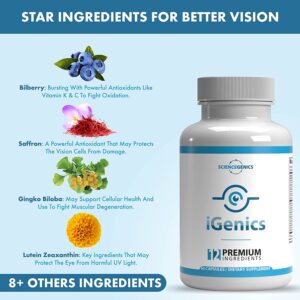
iGenics Customer Reviews: Real Results and Testimonials

When it comes to eye health supplements, consumers want more than just promises—they want real, proven results. With so many vision supplements available today, it can be difficult to separate marketing claims from genuine customer experiences. That’s why looking at iGenics customer reviews, testimonials, and real results is so important.

In this article, we’ll explore what users are saying about iGenics, highlight both the benefits and concerns, and discuss how it compares to other eye supplements on the market. If you’re wondering whether iGenics is worth trying, this in-depth look at customer experiences will help you make an informed decision.

What is iGenics?

iGenics is a dietary supplement designed to support eye health and vision clarity. Marketed as a natural formula, it combines powerful antioxidants and plant-based ingredients believed to:

  • Protect against oxidative stress that contributes to vision decline
  • Support macular health and retinal function
  • Reduce eye fatigue caused by screens and aging
  • Slow down age-related vision problems such as cataracts and macular degeneration

The formula typically includes ingredients like Lutein, Zeaxanthin, Bilberry Extract, and powerful antioxidants—compounds that have been studied for their positive effects on vision.

But the real question is: Do customers actually see results with iGenics? Let’s find out.

iGenics Customer Reviews: Real User Experiences

Online reviews give valuable insight into how iGenics performs in the real world. Here’s a breakdown of common feedback from verified buyers.

Positive iGenics Reviews

Many customers report noticeable improvements in their vision and overall eye comfort:

  • Clearer Vision: Users in their 50s and 60s often say that words on a page or computer screen appear sharper and easier to read after taking iGenics for several weeks.
  • Reduced Eye Strain: Office workers and seniors alike report less eye fatigue when using digital devices.
  • Brighter Colors and Contrast: Some customers notice enhanced visual clarity, especially outdoors.
  • Support for Aging Eyes: Seniors dealing with early signs of macular degeneration or cataracts often mention that iGenics helps them maintain stable vision.
  • Confidence in Ingredients: Health-conscious buyers appreciate that iGenics contains natural antioxidants backed by scientific research.

“I’ve been using iGenics for about 3 months, and I can honestly say my vision feels sharper. Reading at night has become easier, and I no longer struggle as much with glare from headlights when driving.” – Verified Customer

Neutral or Mixed Reviews

Not every user experiences dramatic results, and some reviews are more cautious:

  • Some customers say improvements are subtle and take longer than expected.
  • A few note that iGenics works best when combined with a healthy diet and lifestyle.
  • Others mention that while their vision didn’t drastically improve, their eye fatigue and dryness became less noticeable.

“I didn’t see big changes right away, but after consistent use for about two months, I do feel less eye strain, especially when working on my computer all day.” – Verified Customer

Negative Reviews

Like any supplement, not all reviews are glowing. Negative feedback often includes:

  • No noticeable improvement after weeks of use.
  • Price concerns, as premium eye supplements can be costly.
  • Some customers expected quick results but found that patience and consistency were required.

“I was hoping for faster results, but after a month I didn’t notice much difference. Maybe it takes longer, but it felt too expensive for me to continue.” – Verified Customer

Do iGenics Testimonials Match the Science?

The ingredients in iGenics are supported by research, particularly for age-related macular degeneration (AMD) and eye fatigue relief. Studies show that Lutein and Zeaxanthin are concentrated in the retina and protect the eyes from oxidative stress and harmful blue light.

Customer testimonials seem to align with these findings:

  • Improved clarity and reduced eye strain are consistent with what studies report about lutein-rich supplements.
  • The benefits may be more preventive than curative, meaning users might not notice dramatic results immediately but could protect long-term eye health.

How Long Does It Take to See Results with iGenics?

Based on customer feedback, most users start noticing changes within 4 to 8 weeks of daily use. Subtle improvements like less dryness, reduced eye strain, and clearer vision tend to appear gradually.

For best results, customers recommend:

  • Taking iGenics consistently as directed
  • Pairing it with an eye-healthy diet rich in leafy greens, fish, and antioxidants
  • Protecting eyes from UV light and reducing screen strain

iGenics vs Other Eye Supplements

When comparing iGenics reviews to other popular eye health supplements, here are the key takeaways:

  • Ingredient Quality: Many customers appreciate that iGenics uses natural, research-backed ingredients.
  • Perceived Results: Reviews suggest noticeable improvements in clarity and reduced fatigue compared to generic eye vitamins.
  • Price Point: Some users feel iGenics is more expensive than alternatives, though they acknowledge better ingredient combinations.

Should You Try iGenics?

Based on customer reviews and testimonials, iGenics may be worth trying if you:

  • Are experiencing mild age-related vision changes
  • Spend long hours on computers or smartphones
  • Want to protect your eyes from oxidative damage and fatigue
  • Prefer natural supplements with research-backed ingredients

However, if you expect instant or dramatic improvements, you may be disappointed. Vision supplements work gradually and are most effective when combined with healthy lifestyle habits.

Final Thoughts on iGenics Customer Reviews

iGenics has gained a loyal following of users who report clearer vision, reduced eye fatigue, and greater confidence in their long-term eye health. While not everyone experiences dramatic changes, the majority of testimonials are positive, especially among seniors and frequent screen users.

If you’re considering adding an eye health supplement to your routine, the combination of real customer feedback and science-backed ingredients makes iGenics a strong contender.

As with any supplement, consult your healthcare provider before starting, especially if you have existing medical conditions or take prescription medications.

Eye Care Tips for Seniors: Preventing Common Vision Problems

As we age, our bodies undergo many natural changes—and our eyes are no exception. For seniors, maintaining good vision isn’t just about seeing clearly; it’s about preserving independence, safety, and overall quality of life. From reading and driving to recognizing loved ones’ faces, healthy eyesight plays a vital role in daily living.

The good news is that while age-related vision changes are common, there are many ways to slow them down, manage symptoms, and even prevent certain problems. With the right eye care tips for seniors, you can take proactive steps to protect your vision well into your golden years.

In this guide, we’ll cover the most common vision problems seniors face, natural prevention strategies, lifestyle changes, and eye care habits that support lifelong eye health.

Why Eye Health Declines with Age

Aging eyes are more vulnerable to damage due to factors like oxidative stress, reduced tear production, and weakening of eye muscles. The lens inside the eye also becomes less flexible and cloudier over time, leading to difficulty focusing and increased risk of cataracts.

Key risk factors that accelerate vision decline include:

  • Family history of eye disease
  • Smoking and excessive alcohol use
  • Uncontrolled diabetes or hypertension
  • Poor diet lacking antioxidants
  • Prolonged UV light exposure
  • Sedentary lifestyle

By addressing these risk factors through healthy choices, seniors can significantly reduce their risk of vision loss.

Common Vision Problems in Seniors

Understanding which conditions are most likely to develop with age is the first step to prevention:

  • Presbyopia: Difficulty focusing on close objects due to lens stiffening.
  • Cataracts: Clouding of the eye’s lens, causing blurred or dim vision.
  • Glaucoma: Increased eye pressure that damages the optic nerve.
  • Age-Related Macular Degeneration (AMD): Gradual loss of central vision, affecting reading and driving.
  • Diabetic Retinopathy: Vision problems caused by diabetes-related blood vessel damage.
  • Dry Eye Syndrome: Reduced tear production leading to irritation and blurred vision.

While these conditions are common, they don’t have to define your golden years. Preventive care and lifestyle adjustments can go a long way.

Eye Care Tips for Seniors: How to Prevent Vision Problems Naturally

1. Schedule Regular Eye Exams

The most important step in maintaining healthy vision is routine eye check-ups. Seniors should have a comprehensive dilated eye exam at least once a year. These exams detect early signs of glaucoma, macular degeneration, and cataracts—often before symptoms appear.

2. Eat an Eye-Healthy Diet

Nutrition plays a huge role in preserving eyesight. Include foods rich in:

  • Lutein and Zeaxanthin: Found in kale, spinach, corn, and eggs, these carotenoids protect the retina.
  • Omega-3 Fatty Acids: Present in salmon, tuna, flaxseeds, and walnuts, they help reduce dry eye symptoms.
  • Vitamin C: Found in oranges, strawberries, and bell peppers, this antioxidant lowers the risk of cataracts.
  • Vitamin E: Nuts, seeds, and vegetable oils provide this antioxidant that protects eye cells.
  • Zinc: Present in oysters, beans, and whole grains, zinc supports the health of the retina.

3. Protect Your Eyes from UV Rays

Cumulative UV damage accelerates cataracts and macular degeneration. To protect your eyes:

  • Wear 100% UV-blocking sunglasses whenever outdoors.
  • Choose wraparound frames for added protection.
  • Wear wide-brimmed hats on sunny days.

4. Stay Physically Active

Exercise improves blood circulation, which enhances oxygen delivery and waste removal in the eyes. Activities like walking, swimming, yoga, and tai chi help reduce the risk of conditions such as diabetic retinopathy and glaucoma.

5. Manage Chronic Conditions

Uncontrolled health conditions like diabetes, hypertension, and high cholesterol can accelerate eye disease. Work with your doctor to manage these conditions through medication, diet, and exercise.

6. Stay Hydrated

Dehydration can worsen dry eyes, a common problem in seniors. Aim for 6–8 glasses of water daily and include hydrating foods like cucumbers, melons, and citrus fruits in your diet.

7. Avoid Smoking and Excessive Alcohol

Smoking damages blood vessels in the eyes and accelerates age-related macular degeneration, while excessive alcohol consumption depletes essential nutrients for vision. Quitting smoking and limiting alcohol can dramatically improve eye health.

8. Take Regular Screen Breaks

Seniors are spending more time on digital devices than ever before. To reduce digital eye strain:

  • Follow the 20-20-20 rule: Every 20 minutes, look at something 20 feet away for 20 seconds.
  • Increase text size and adjust brightness for comfort.
  • Use blue light filters, especially in the evening.

9. Practice Eye Exercises

Simple exercises can strengthen eye muscles and improve flexibility:

  • Focus shifting: Switch focus between near and far objects.
  • Eye rolling: Slowly roll eyes clockwise and counterclockwise.
  • Palming: Gently cup warm hands over closed eyes to relax them.

10. Use Natural Tears

For seniors struggling with dry eyes, natural tears or preservative-free artificial tears can provide relief. Adding a humidifier to your living space may also help.

Supplements for Senior Eye Health

In addition to a nutrient-rich diet, certain supplements are recommended for seniors to reduce the risk of age-related eye problems:

  • AREDS2 Formula: A combination of lutein, zeaxanthin, vitamins C and E, zinc, and copper, shown to slow macular degeneration progression.
  • Omega-3 Fish Oil: Supports tear production and reduces inflammation.
  • Bilberry Extract: May improve night vision and circulation in the eyes.
  • Alpha-Lipoic Acid: A powerful antioxidant that helps protect lens proteins from damage.

Note: Always consult a healthcare provider before starting supplements to ensure they’re safe for your needs.

Habits That Support Long-Term Eye Health

  • Get 7–8 hours of quality sleep every night.
  • Keep your blood sugar stable with balanced meals.
  • Maintain a healthy weight to reduce risks of diabetes and hypertension.
  • Practice good lighting habits when reading or doing crafts.
  • Avoid excessive processed foods that cause inflammation.

When to See a Doctor

Natural eye care is essential, but professional help is equally important. Seek medical attention immediately if you notice:

  • Sudden vision loss
  • Flashes of light or new floaters
  • Severe eye pain or redness
  • Double vision
  • Gradual but noticeable vision decline

These could be signs of serious conditions like retinal detachment, glaucoma, or advanced cataracts.

Final Thoughts

Healthy vision is one of the keys to independence and well-being in senior years. By following these eye care tips for seniors—from eating an antioxidant-rich diet and wearing UV-protective sunglasses to managing chronic health conditions and taking the right supplements—you can significantly lower your risk of common age-related vision problems.

Remember: early prevention is the best protection. Make eye care a daily habit, schedule regular check-ups, and invest in your long-term vision health today.

==> US Doctor says: “Do this every morning to REVERSE vision loss”

Dealing with Blurry Vision? Here’s What You Can Do Naturally

Blurry vision is one of the most common eye complaints worldwide. It can be unsettling when your eyesight isn’t as sharp as it should be—whether it happens suddenly or develops gradually over time. While blurry vision can sometimes be a sign of underlying medical conditions that require professional treatment, there are also many natural ways to improve vision clarity and support overall eye health.

If you’ve been asking yourself, “Why is my vision blurry, and what can I do naturally to fix it?”, you’re not alone. Millions of people struggle with this issue daily, especially in today’s digital-first world. In this article, we’ll explore common causes of blurry vision, natural remedies, lifestyle changes, and supplements that can help restore clarity.

What Causes Blurry Vision?

Blurry vision happens when your eyes are unable to focus properly. It can occur in one or both eyes and may be temporary or persistent. Some of the most common causes include:

  • Refractive errors: Nearsightedness, farsightedness, or astigmatism.
  • Presbyopia: Age-related difficulty focusing on close objects.
  • Digital eye strain: Prolonged screen time without breaks.
  • Dry eyes: Lack of sufficient tears to keep the eyes lubricated.
  • Eye fatigue: Overuse of the eye muscles from reading or working long hours.
  • Cataracts or glaucoma: Age-related or genetic conditions that can cloud vision.
  • Blood sugar fluctuations: Especially in people with diabetes.
  • Poor nutrition: Lack of essential vitamins and antioxidants for eye health.
  • Dehydration: Inadequate fluid intake can affect tear production.

While some causes require medical intervention, many can be improved or slowed down through natural lifestyle and dietary changes.

Natural Remedies for Blurry Vision

1. Follow the 20-20-20 Rule

Digital eye strain is a major contributor to blurry vision. To reduce strain:

  • Every 20 minutes, look at an object 20 feet away for 20 seconds.
    This simple habit relaxes eye muscles and helps maintain focus.

2. Stay Hydrated

Dry eyes are a common cause of blurred vision. Drinking at least 8 glasses of water daily helps maintain tear production and keeps your eyes moist. Herbal teas and water-rich foods like cucumbers and oranges also support hydration.

3. Improve Your Diet

Eating eye-friendly foods rich in antioxidants, vitamins, and minerals is essential. Focus on:

  • Leafy greens (spinach, kale, collard greens) – high in lutein and zeaxanthin.
  • Carrots and sweet potatoes – rich in beta-carotene (Vitamin A).
  • Fish (salmon, tuna, mackerel) – high in omega-3 fatty acids.
  • Citrus fruits and bell peppers – loaded with Vitamin C.
  • Nuts and seeds – great sources of Vitamin E and zinc.

These nutrients protect against oxidative stress, one of the leading causes of age-related blurry vision.

4. Get Enough Sleep

Your eyes need rest to function properly. Lack of sleep can cause temporary blurry vision, twitching, and dryness. Aim for 7–8 hours of quality sleep every night.

5. Blink More Often

When staring at screens, your blink rate decreases significantly, which leads to dry eyes and blurriness. Make a conscious effort to blink more frequently, especially during computer use.

6. Reduce Screen Time

Excessive screen exposure not only causes blurry vision but can also lead to headaches and eye strain. Use blue light filters, adjust brightness, and take regular breaks.

7. Do Eye Exercises

Strengthening eye muscles can improve focus and clarity. Some simple exercises include:

  • Focus shifting: Hold a pen in front of you, focus on it, then shift focus to something farther away. Repeat several times.
  • Eye rolling: Slowly roll your eyes in circular motions to relax them.
  • Palming: Rub your hands together to generate warmth and gently cover your closed eyes for 1–2 minutes.

8. Manage Blood Sugar Levels

For people with diabetes, blurry vision can be a warning sign of fluctuating blood sugar. Eating a balanced diet, exercising regularly, and monitoring glucose levels can help stabilize vision.

9. Wear UV-Protective Sunglasses

Long-term UV exposure can damage your eyes and worsen blurry vision caused by cataracts or macular degeneration. Always wear 100% UV-blocking sunglasses outdoors.

10. Quit Smoking and Limit Alcohol

Smoking increases oxidative stress and reduces blood flow to the eyes, speeding up vision decline. Excess alcohol can dehydrate the body and eyes. Reducing or quitting both can help preserve vision naturally.

Natural Supplements for Blurry Vision

While diet should be your primary source of nutrients, certain supplements can provide added support for clear vision:

  • Lutein and Zeaxanthin: Carotenoids that protect the retina and filter harmful light.
  • Vitamin C and Vitamin E: Antioxidants that reduce the risk of cataracts and slow age-related vision decline.
  • Zinc: Supports retinal health and helps Vitamin A function properly in the eye.
  • Omega-3 Fatty Acids: Found in fish oil or algae supplements, they reduce dry eye symptoms.
  • Bilberry Extract: A natural antioxidant that may improve night vision and circulation in the eyes.

Always consult a healthcare professional before starting new supplements, especially if you have existing health conditions.

Lifestyle Habits That Support Clear Vision

In addition to nutrition and supplements, these everyday habits promote healthier eyesight:

  • Maintain a healthy weight to reduce the risk of diabetes and hypertension, which affect vision.
  • Practice good posture to prevent tension headaches linked to blurry vision.
  • Limit processed foods and excess sugar that can worsen inflammation.
  • Schedule regular eye exams to detect early signs of vision problems.

When to Seek Medical Help

While natural remedies are effective for mild and temporary blurry vision, some cases require immediate medical attention. See an eye doctor if you experience:

  • Sudden onset of blurry vision in one or both eyes.
  • Persistent blurriness that doesn’t improve with rest.
  • Eye pain, redness, or discharge.
  • Frequent flashes of light or floaters.
  • Loss of peripheral (side) vision.

These may indicate serious eye conditions such as glaucoma, retinal detachment, or infections.

Final Thoughts

Blurry vision can be frustrating, but in many cases, it can be improved or managed naturally. By making small changes—like eating nutrient-rich foods, protecting your eyes from UV rays, reducing screen strain, and supplementing wisely—you can support your eyesight and maintain clarity for years to come.

Remember: prevention is key. Prioritize your eye health today, and you’ll enjoy sharper, healthier vision tomorrow.

>>>Click here to restore your vision with the 12-second biblical trick.

How to Slow Down Cataracts Naturally: Lifestyle and Supplements

Cataracts are one of the most common age-related eye conditions in the world. They develop when the natural lens of the eye becomes cloudy, leading to blurred vision, increased sensitivity to light, and difficulty seeing at night. While cataract surgery is a safe and effective treatment, many people wonder if there are ways to slow down cataracts naturally before they become severe enough to require surgery.

The good news is that research shows lifestyle changes, proper nutrition, and certain supplements may help protect your eyes from oxidative stress—the main factor contributing to cataract formation. By making small, consistent changes, you can support eye health and potentially delay the progression of cataracts.

In this guide, we’ll explore natural strategies, from diet and daily habits to vitamins and supplements, that can help maintain clearer vision for longer.

What Causes Cataracts?

A cataract forms when proteins in the eye’s lens clump together, creating cloudy patches that interfere with vision. Over time, these patches grow, making vision more difficult. The process is often linked to oxidative stress—damage caused by free radicals in the body.

Factors that increase your risk of developing cataracts include:

  • Aging (most common cause)
  • Excessive exposure to ultraviolet (UV) light
  • Smoking and alcohol consumption
  • Poor diet lacking antioxidants
  • Diabetes and other metabolic conditions
  • Eye injuries or long-term use of certain medications (like corticosteroids)

By addressing these factors through lifestyle changes and proper nutrition, you can naturally reduce your risk and slow down cataract progression.

Natural Ways to Slow Down Cataracts

1. Eat an Antioxidant-Rich Diet

Antioxidants fight oxidative stress, which plays a central role in cataract formation. A diet rich in antioxidants helps protect the lens of the eye. Focus on foods high in:

  • Vitamin C: Found in oranges, bell peppers, strawberries, and broccoli. Studies suggest higher vitamin C intake is linked to a lower risk of cataracts.
  • Vitamin E: Present in almonds, sunflower seeds, and spinach. Vitamin E helps protect eye cells from free radical damage.
  • Carotenoids (Lutein and Zeaxanthin): These compounds accumulate in the lens and retina, acting as natural filters against harmful blue light. Good sources include kale, spinach, corn, and eggs.
  • Beta-carotene: Found in carrots, sweet potatoes, and apricots. This vitamin A precursor supports healthy vision.

2. Protect Your Eyes from UV Light

Prolonged sun exposure is a major risk factor for cataracts. To protect your eyes:

  • Wear UV-blocking sunglasses whenever you’re outdoors.
  • Choose glasses labeled “100% UV protection.”
  • Wear wide-brimmed hats for additional coverage.

3. Quit Smoking and Limit Alcohol

Smoking produces free radicals that accelerate eye damage, while heavy alcohol use depletes antioxidant levels. Quitting smoking and limiting alcohol consumption can significantly slow cataract progression.

4. Manage Blood Sugar Levels

People with diabetes are at higher risk of cataracts due to elevated blood sugar levels that damage the lens. Controlling blood sugar through diet, exercise, and medical care can protect your eyes from premature cataract formation.

5. Stay Physically Active

Exercise improves circulation and helps reduce oxidative stress in the body. Activities like walking, yoga, cycling, and swimming support overall health and protect vision by lowering inflammation and improving blood flow to the eyes.

6. Stay Hydrated

The eye lens depends on proper hydration to maintain flexibility and clarity. Drinking enough water throughout the day keeps your eyes lubricated and functioning properly.

7. Reduce Eye Strain

Though digital screens don’t directly cause cataracts, chronic eye strain can worsen discomfort and dry eyes, indirectly affecting overall eye health. Use the 20-20-20 rule: every 20 minutes, look at something 20 feet away for at least 20 seconds.

Supplements That May Help Slow Down Cataracts

In addition to diet and lifestyle habits, certain supplements have been studied for their potential to slow cataract progression:

Vitamin C and Vitamin E

Both are powerful antioxidants that may reduce the risk of developing cataracts. Daily supplementation may be beneficial, especially if your diet is lacking in these nutrients.

Lutein and Zeaxanthin

These carotenoids are particularly important for eye health. They are concentrated in the macula and lens, helping filter harmful light and reduce oxidative stress. Supplementing with lutein and zeaxanthin may slow down cataract development and improve overall vision clarity.

Omega-3 Fatty Acids

Found in fish oil or algae-based supplements, omega-3s support healthy eye membranes and reduce inflammation.

Alpha-Lipoic Acid

This antioxidant has been shown in studies to protect lens proteins from oxidative damage, potentially delaying cataract formation.

Zinc and Selenium

These minerals support antioxidant activity in the eye. Low levels of zinc are linked to poor eye health and faster progression of cataracts.

Important note: Always consult with an eye doctor or healthcare provider before starting supplements to ensure they are safe for your specific needs.

Habits to Avoid for Eye Health

To slow down cataracts naturally, it’s just as important to avoid harmful habits as it is to adopt healthy ones:

  • Avoid excessive processed foods and sugars, which increase inflammation.
  • Limit long-term exposure to bright screens without protective filters.
  • Avoid skipping regular eye checkups, as early detection is key to preventing severe cataracts.

When to See an Eye Doctor

Even with lifestyle changes, cataracts may still progress over time. See an eye doctor if you experience:

  • Persistent blurred or cloudy vision
  • Difficulty driving at night
  • Increased sensitivity to light and glare
  • Double vision in one eye
  • Frequent changes in glasses prescription

An optometrist or ophthalmologist can track your eye health and recommend the right timing for treatment, including surgery if necessary.

Final Thoughts

While cataracts are a natural part of aging, you have the power to slow down cataracts naturally with the right lifestyle choices and targeted supplements. Eating an antioxidant-rich diet, protecting your eyes from UV light, staying active, quitting smoking, and incorporating key nutrients like lutein, zeaxanthin, vitamin C, and vitamin E can make a significant difference.

Prevention and early care are essential. By being proactive today, you can maintain clearer, sharper vision for years to come and delay the need for surgery.

>>>Click here to restore your vision with the 12-second biblical trick.