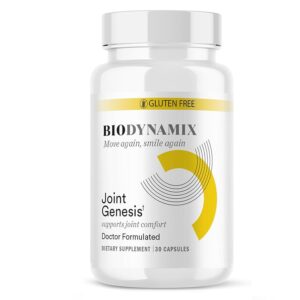
Joint Genesis vs. FlexAgain: What’s Different in the Formulas?

Joint health supplements are increasingly popular among individuals seeking relief from discomfort and improved mobility. Two notable products in this category are Joint Genesis and FlexAgain. Both claim to support joint health, but they differ significantly in their formulations, mechanisms of action, and target audiences. This comprehensive comparison will delve into the unique aspects of each supplement to help you make an informed decision.

Ingredient Breakdown: Joint Genesis vs. FlexAgain

Joint Genesis

Joint Genesis by BioDynamix is formulated with a blend of natural ingredients aimed at enhancing joint lubrication and reducing inflammation. Key components include:

  • Mobilee® (Hyaluronic Acid Complex): A patented blend of hyaluronic acid, collagen, and polysaccharides designed to elevate hyaluronan levels in synovial fluid, thereby improving joint lubrication and reducing friction.
  • French Maritime Pine Bark Extract: Rich in antioxidants, this extract may help combat oxidative stress, a contributor to joint degeneration.
  • Boswellia Serrata Extract: Known for its anti-inflammatory properties, it may aid in reducing joint swelling and pain.
  • Ginger Root Extract: Offers natural anti-inflammatory effects, potentially alleviating joint discomfort.
  • BioPerine®: Enhances the bioavailability of other nutrients, ensuring better absorption and effectiveness.

Joint Genesis is designed to support long-term joint health by focusing on lubrication and inflammation reduction.

FlexAgain

FlexAgain presents a comprehensive joint support formula that combines traditional joint health ingredients with potent anti-inflammatory compounds. Its formulation includes:

  • Omega-3 Fatty Acids: Derived from algae oil, these essential fats support joint lubrication and reduce inflammation.
  • Vitamin D3: Crucial for bone health, vitamin D3 helps maintain joint stability and function.
  • Vitamin K2: Supports bone health by regulating calcium deposition, which is vital for joint function.
  • Ginger and Blue Galangal Extract: A potent combination known for its anti-inflammatory properties, potentially alleviating joint pain.
  • Bromelain: An enzyme with anti-inflammatory effects, it may help reduce swelling and pain in joints.
  • Curcumin Extract: The active compound in turmeric, curcumin has strong anti-inflammatory benefits, potentially reducing joint pain and stiffness.
  • Methylsulfonylmethane (MSM): Supports connective tissue health and may reduce joint pain and inflammation.
  • Glucosamine and Chondroitin: Essential for cartilage repair and maintenance, these compounds may help in reducing joint pain and improving mobility.

FlexAgain aims to provide a holistic approach to joint health by combining anti-inflammatory agents with cartilage-supporting compounds.

Comparative Analysis: Joint Genesis vs. FlexAgain

FeatureJoint GenesisFlexAgain
Primary FocusJoint lubrication and inflammationComprehensive joint support
Key IngredientsMobilee®, Boswellia, Ginger, Pine BarkOmega-3s, Vitamins D3 & K2, Curcumin, MSM
Dosage Form1 capsule daily4 capsules daily
Target AudienceIndividuals seeking long-term joint healthThose needing immediate pain relief and comprehensive support
Additional BenefitsAntioxidant supportEnhanced cartilage repair and anti-inflammatory effects

Mechanism of Action

  • Joint Genesis: By elevating hyaluronan levels in synovial fluid, Joint Genesis enhances joint lubrication, reducing friction and supporting cartilage health. The inclusion of anti-inflammatory ingredients further aids in alleviating joint discomfort.
  • FlexAgain: Combines anti-inflammatory agents like curcumin, ginger, and bromelain with cartilage-supporting compounds such as glucosamine and chondroitin. This multifaceted approach aims to reduce pain, support cartilage repair, and improve overall joint function.

Cost and Value Considerations

SupplementPrice (30-Day Supply)Cost per ServingKey Value Proposition
Joint Genesis$49.95$1.67High-potency hyaluronan complex
FlexAgain$69.95$2.33Comprehensive formula with multiple benefits

Prices are approximate and may vary based on retailer and promotions.

Final Verdict: Which Supplement Fits Your Goals?

  • Choose Joint Genesis if: You are looking for a supplement that focuses on enhancing joint lubrication and reducing inflammation for long-term joint health. Its unique Mobilee® complex offers a targeted approach to joint support.
  • Choose FlexAgain if: You desire a comprehensive joint support supplement that combines anti-inflammatory agents with cartilage-supporting compounds. Its multifaceted formula may provide more immediate relief and overall joint health benefits.

Both supplements offer distinct benefits, and the choice between them should align with your specific joint health goals and preferences.

Joint Genesis vs. Relief Factor: Which Fits Your Goals and Budget?

Joint pain and stiffness affect millions of people worldwide, ranging from mild discomfort to debilitating conditions that limit mobility and quality of life. As the demand for effective joint supplements grows, two products consistently appear in discussions: Joint Genesis and Relief Factor. Both claim to support joint comfort, flexibility, and overall joint health, but they differ in ingredients, formulation, and pricing. This guide will provide an in-depth comparison of the two supplements to help you determine which one aligns best with your goals, health needs, and budget.

Understanding Joint Genesis

Joint Genesis is a joint support supplement formulated with a blend of natural ingredients aimed at reducing inflammation, improving joint mobility, and supporting cartilage health. Key ingredients include:

  • Mobilee® Hyaluronic Acid Complex: A patented ingredient that increases hyaluronan levels, which improves joint lubrication and supports cartilage function.
  • Boswellia Serrata Extract: A plant-based anti-inflammatory compound that may reduce joint swelling and pain.
  • French Maritime Pine Bark Extract: Rich in antioxidants, this ingredient helps combat oxidative stress, a contributor to joint degeneration.
  • Ginger Root Extract: Known for its anti-inflammatory and analgesic properties, it may help ease joint discomfort.
  • BioPerine®: A black pepper extract that enhances the bioavailability of other ingredients, ensuring better absorption and efficacy.

Joint Genesis focuses on natural anti-inflammatory ingredients combined with compounds that enhance joint lubrication, aiming to improve mobility while addressing the root causes of joint discomfort.

Understanding Relief Factor

Relief Factor is marketed as a natural supplement for joint pain relief that combines several key ingredients, mainly focused on reducing inflammation and alleviating discomfort. Its primary components include:

  • Turmeric Extract (Curcumin): A well-known anti-inflammatory compound that reduces oxidative stress and inflammation in joints.
  • Omega-3 Fatty Acids (from Fish Oil): Supports anti-inflammatory processes and promotes overall joint health.
  • Vitamin D3: Helps maintain bone and joint health, especially important for individuals with low levels of vitamin D.
  • Hyaluronic Acid: Supports joint lubrication and cartilage health.

Relief Factor emphasizes quick relief from joint discomfort, with a strong focus on inflammation reduction and overall joint protection.

Ingredient Comparison: Joint Genesis vs. Relief Factor

Both supplements contain ingredients aimed at joint support, but they differ in focus:

  • Joint Genesis: Combines anti-inflammatory botanicals with patented hyaluronic acid for enhanced joint lubrication and cartilage support. Its formulation emphasizes long-term joint function and mobility.
  • Relief Factor: Focuses more on pain relief and inflammation reduction, using a combination of turmeric, omega-3s, vitamin D, and hyaluronic acid. It is designed to provide faster symptom relief rather than long-term joint repair.

This distinction is crucial when choosing a supplement, as your goals—whether reducing immediate pain or supporting joint health long-term—will guide your decision.

Effectiveness: What the Research Says

  • Joint Genesis: Clinical studies on its key ingredient, Mobilee®, show improved hyaluronan levels, which can enhance joint lubrication and reduce stiffness. Boswellia Serrata and ginger extracts are supported by research for their anti-inflammatory effects, making the formula effective for gradual improvement in joint comfort and flexibility.
  • Relief Factor: Curcumin and omega-3s are well-documented for their anti-inflammatory properties. Users often report a reduction in joint pain within days to weeks, making Relief Factor suitable for those seeking rapid relief. Vitamin D3 adds bone support benefits, particularly for individuals with low vitamin D levels.

Safety and Side Effects

Both supplements are generally safe for most adults, but considerations include:

  • Joint Genesis: Rare gastrointestinal upset may occur due to herbal extracts. BioPerine® enhances absorption, but some individuals may experience mild sensitivity.
  • Relief Factor: Turmeric and omega-3s are typically safe, but high doses of omega-3s may increase bleeding risk in individuals on blood-thinning medications. Gastrointestinal discomfort is a possible side effect.

Consulting a healthcare professional is recommended before starting either supplement, especially if you take prescription medications or have underlying health conditions.

Cost and Value Considerations

Price often plays a key role in supplement selection.

  • Joint Genesis: Usually sold in 30-day supplies, the cost may be higher per bottle, but the focus on long-term joint function and patented ingredients may justify the price for those seeking sustained mobility support.
  • Relief Factor: Typically offered in multi-month packs, Relief Factor can provide immediate relief at a moderate cost. It may be more cost-effective for individuals focused primarily on pain reduction rather than long-term joint repair.

Comparing cost per serving and the number of servings per bottle helps determine which product fits your budget while meeting your joint health goals.

Choosing the Right Supplement for Your Goals

  • Choose Joint Genesis if you want to focus on long-term joint health, cartilage support, and gradual improvement in mobility. Its natural botanicals and patented hyaluronic acid provide a holistic approach to joint function.
  • Choose Relief Factor if your primary goal is quick reduction of joint pain and inflammation. Its combination of turmeric, omega-3s, and vitamin D may provide noticeable relief faster, though it focuses less on long-term cartilage repair.

Tips for Maximizing Benefits

  1. Consistency: Take your supplement daily as directed; benefits often build over time.
  2. Lifestyle: Combine supplementation with low-impact exercise, stretching, and anti-inflammatory nutrition for optimal results.
  3. Monitoring: Track your pain levels, mobility, and overall joint comfort to assess effectiveness.
  4. Combination Approach: Some individuals may benefit from alternating or combining natural anti-inflammatory strategies with joint-support formulas under medical guidance.

Conclusion

Joint Genesis and Relief Factor each offer distinct approaches to joint health. Understanding your goals—whether rapid pain relief or long-term mobility support—is key to choosing the right supplement. Joint Genesis emphasizes cartilage support and enhanced joint lubrication through natural botanicals and patented compounds, while Relief Factor prioritizes inflammation reduction and symptom relief using curcumin, omega-3s, and vitamin D. Evaluating ingredients, effectiveness, safety, and cost will help you make an informed decision and support your joint health journey effectively.

Joint Genesis vs. Move Free: Ingredient Breakdown and Results

When it comes to joint health supplements, two names often come up: Joint Genesis and Move Free. Both claim to support joint comfort, mobility, and overall joint health, but how do they compare in terms of ingredients, effectiveness, and value? In this comprehensive guide, we’ll delve into the ingredient profiles of both supplements, examine their potential benefits, and help you determine which might be the better choice for your joint health needs.

Ingredient Comparison: Joint Genesis vs. Move Free

Joint Genesis

Joint Genesis is a joint support supplement that boasts a blend of natural ingredients aimed at promoting joint health. Key components include:

  • Mobilee® (Hyaluronic Acid Complex): A patented ingredient known for enhancing hyaluronan levels by a factor of 10. Hyaluronan is a key component of synovial fluid, which lubricates joints and supports cartilage health.
  • French Maritime Pine Bark Extract: Rich in antioxidants, this extract may help reduce inflammation and protect against oxidative stress, which can contribute to joint degeneration.
  • Boswellia Serrata: An herbal extract with anti-inflammatory properties, potentially aiding in reducing joint swelling and pain.
  • Ginger Root: Known for its anti-inflammatory effects, ginger may help alleviate joint discomfort and improve mobility.
  • BioPerine®: A black pepper extract that enhances the bioavailability of other nutrients, ensuring better absorption and effectiveness.

Move Free

Move Free is a well-known joint supplement that combines several ingredients to support joint health. Its formulation includes:

  • Glucosamine: A natural compound found in cartilage, glucosamine is believed to support cartilage repair and maintenance, potentially reducing joint pain and improving mobility.
  • Chondroitin: Often paired with glucosamine, chondroitin helps maintain cartilage structure and may reduce the breakdown of cartilage in joints.
  • Methylsulfonylmethane (MSM): A sulfur-containing compound that may help reduce inflammation and support collagen formation in joints.
  • Uniflex® (Calcium Fructoborate): A clinically tested mineral complex that supports joint comfort in as little as 2 weeks.
  • Type II Collagen: A protein that supports healthy cartilage and may help maintain joint flexibility.
  • Boron: A trace mineral that supports bone health by maintaining healthy levels of vitamin D, calcium, and magnesium.

Effectiveness: Joint Genesis vs. Move Free

Both supplements aim to support joint health, but their effectiveness can vary based on individual needs and the specific joint issues being addressed.

  • Joint Genesis: The inclusion of Mobilee® may provide enhanced lubrication and support for cartilage health. The combination of natural anti-inflammatory ingredients like Boswellia Serrata and Ginger Root may help reduce joint discomfort and improve mobility.
  • Move Free: The combination of glucosamine, chondroitin, MSM, and Uniflex® targets cartilage maintenance, inflammation reduction, and overall joint comfort. The addition of Type II Collagen and boron may offer additional support for joint structure and bone health.

Value and Cost Considerations

When choosing between Joint Genesis and Move Free, cost and value are important factors to consider.

  • Joint Genesis: Typically available in 30-day supplies, the cost may vary depending on the retailer and any ongoing promotions.
  • Move Free: Available in various formulations and quantities, Move Free offers options ranging from 30 to 200 tablets, with prices varying accordingly.

It’s essential to compare the cost per serving and the number of servings per bottle to determine which supplement offers the best value for your specific needs.

Which Supplement Is Right for You?

Choosing the right joint supplement depends on your individual health goals and preferences.

  • Joint Genesis may be suitable for those seeking a supplement with natural ingredients aimed at enhancing joint lubrication and reducing inflammation.
  • Move Free may be ideal for individuals looking for a comprehensive joint support supplement that targets cartilage maintenance, inflammation reduction, and overall joint comfort.

Before starting any new supplement regimen, it’s advisable to consult with a healthcare professional to ensure it’s appropriate for your specific health needs.

Final Thoughts

Both Joint Genesis and Move Free offer unique formulations designed to support joint health. By understanding the ingredients and their potential benefits, you can make an informed decision about which supplement aligns best with your health goals. Remember, maintaining joint health involves a holistic approach, including regular exercise, a balanced diet, and proper supplementation.

MSM, Glucosamine, Chondroitin: Do They Still Hold Up?

Joint health supplements have long been a cornerstone for people seeking to reduce discomfort, improve mobility, and support long-term joint function. Among the most well-known and widely used ingredients are MSM (methylsulfonylmethane), glucosamine, and chondroitin. These compounds have been staples in the supplement industry for decades, but with new research and evolving science, many people are asking: do they still hold up? In this comprehensive guide, we’ll examine the latest evidence, explore how each works, discuss dosage and safety, and provide insight into whether these supplements remain a valuable part of a joint health regimen.

Understanding MSM (Methylsulfonylmethane)

MSM is a naturally occurring sulfur compound found in fruits, vegetables, grains, and even in the human body. It is commonly used in supplements to:

  • Reduce joint pain and inflammation
  • Support connective tissue health
  • Enhance recovery from exercise-related soreness

How MSM Works

Sulfur is a key component of cartilage and other connective tissues. MSM may contribute to:

  1. Collagen Formation: Supports the structural integrity of joints and connective tissue.
  2. Anti-Inflammatory Effects: May reduce inflammatory markers such as cytokines, helping to decrease swelling and discomfort.
  3. Antioxidant Support: MSM can neutralize oxidative stress, which can otherwise contribute to cartilage degradation.

Clinical studies suggest that MSM supplementation can improve joint comfort and function in people with osteoarthritis or exercise-related joint pain. Typical dosages range from 1,500–3,000 mg per day, usually divided into two or three doses.

Glucosamine: Building Blocks for Cartilage

Glucosamine is an amino sugar naturally present in cartilage. It is widely recognized for its role in supporting joint health by providing the building blocks for cartilage repair and maintenance.

Forms of Glucosamine

  • Glucosamine Sulfate: Most studied form; often used in osteoarthritis research.
  • Glucosamine Hydrochloride: Less studied but still commonly available.

How Glucosamine Works

  1. Cartilage Support: Provides raw materials for glycosaminoglycans and proteoglycans, essential components of cartilage.
  2. Anti-Inflammatory Potential: May reduce inflammatory mediators in the joints, though effects are generally mild.
  3. Pain Relief: Research indicates glucosamine can help reduce pain and improve mobility in some individuals with osteoarthritis, particularly in the knees.

Chondroitin: The Cushioning Component

Chondroitin sulfate is a naturally occurring molecule in cartilage that helps maintain elasticity and hydration, allowing joints to absorb shock. Supplements often combine chondroitin with glucosamine for potential synergistic effects.

How Chondroitin Works

  1. Cartilage Maintenance: Supports water retention and elasticity in cartilage tissue.
  2. Anti-Inflammatory Effects: May reduce joint inflammation and slow cartilage breakdown.
  3. Pain and Function: Some studies suggest improved joint function and reduced pain, particularly when taken long-term.

Do These Supplements Still Hold Up? The Research

MSM, glucosamine, and chondroitin have all faced scrutiny in recent years, with mixed results across studies.

  • Glucosamine and Chondroitin: Large meta-analyses show that these supplements may offer modest pain relief for osteoarthritis, especially for knee joints. Benefits appear more pronounced with long-term use (3–6 months) and in individuals with mild to moderate joint issues. Some studies suggest the combination may slow cartilage degradation, but results are not uniform.
  • MSM: Evidence is more limited but promising. Clinical trials indicate that MSM may improve joint comfort and mobility, particularly in combination with glucosamine. Its anti-inflammatory and antioxidant effects make it a supportive addition for joint health.

Synergy Between MSM, Glucosamine, and Chondroitin

Many joint supplements combine all three ingredients to leverage potential synergistic effects:

  1. Cartilage Support: Glucosamine provides the building blocks, chondroitin helps retain water and elasticity, and MSM supports collagen formation.
  2. Pain Relief: MSM and glucosamine may reduce inflammatory mediators, while chondroitin cushions the joints.
  3. Long-Term Joint Health: Combining these ingredients may improve joint structure and function over time, particularly for osteoarthritis patients or aging adults.

Dosage Recommendations

Typical supplement dosages include:

  • MSM: 1,500–3,000 mg per day
  • Glucosamine Sulfate: 1,500 mg per day
  • Chondroitin Sulfate: 800–1,200 mg per day

Many studies support daily, divided dosing for optimal absorption. Supplements combining these ingredients are widely available and often formulated to provide these amounts in a single serving.

Safety Considerations

All three compounds are generally considered safe for most adults, but some considerations include:

  • MSM: Mild gastrointestinal discomfort, headaches, or skin reactions in sensitive individuals.
  • Glucosamine: Usually well-tolerated; caution in people with shellfish allergies (most glucosamine is derived from shellfish).
  • Chondroitin: Generally safe; mild gastrointestinal upset possible.

Interactions with medications are rare but possible, especially with blood-thinning drugs. Always consult a healthcare provider if you have underlying conditions or are taking prescriptions.

Modern Perspectives on MSM, Glucosamine, and Chondroitin

Despite debates over efficacy, these supplements remain popular and widely used, and recent research suggests they may still offer value:

  • They are well-tolerated with low risk, making them a suitable option for individuals seeking natural joint support.
  • They may be most effective in early or moderate joint discomfort rather than severe osteoarthritis.
  • Combining them with other supportive nutrients—like vitamin D, omega-3s, curcumin, and Boswellia—may enhance anti-inflammatory and joint-supporting effects.

Tips for Maximizing Benefits

  1. Consistency Is Key: Supplements often require several months to show noticeable results.
  2. Quality Matters: Look for third-party tested products to ensure purity and potency.
  3. Lifestyle Integration: Regular low-impact exercise, weight management, and anti-inflammatory nutrition amplify benefits.
  4. Monitor Progress: Track pain levels, mobility, and overall joint comfort to assess effectiveness.

Conclusion: Do MSM, Glucosamine, and Chondroitin Still Hold Up?

The evidence suggests that MSM, glucosamine, and chondroitin can still hold value for joint health, particularly when:

  • Taken consistently over time
  • Used in combination for synergistic effects
  • Integrated with lifestyle strategies and other anti-inflammatory nutrients

While they may not be a miracle cure, these supplements remain a viable and safe option for supporting joint comfort, mobility, and long-term health. For anyone experiencing mild to moderate joint issues, particularly in the knees or aging joints, MSM, glucosamine, and chondroitin are still worth considering as part of a comprehensive joint support plan.

Vitamin D and Joint Pain: Deficiency Links, Fixed

Joint pain is a common complaint among adults of all ages, from mild stiffness to chronic discomfort affecting daily life. While many people focus on exercise, physical therapy, or anti-inflammatory supplements, there is one nutrient often overlooked: vitamin D. Emerging research suggests that vitamin D deficiency may play a significant role in joint pain, inflammation, and overall musculoskeletal health. In this comprehensive guide, we’ll explore the links between vitamin D and joint pain, how deficiency affects the body, and actionable strategies to correct it safely.

What Is Vitamin D and Why It Matters for Joints

Vitamin D is a fat-soluble vitamin essential for bone health, immune function, and inflammation regulation. Unlike most vitamins, the body can produce vitamin D when the skin is exposed to sunlight, specifically UVB rays. It is also available through dietary sources and supplements.

The active form of vitamin D, calcitriol, helps regulate calcium and phosphorus balance, which is critical for maintaining strong bones and cartilage. Low vitamin D levels can contribute to musculoskeletal pain, weakness, and even increased risk of fractures.

How Vitamin D Deficiency Affects Joint Health

Vitamin D deficiency is surprisingly common worldwide, affecting millions of adults. Deficiency can impact joints in several ways:

  1. Reduced Bone and Cartilage Support: Insufficient vitamin D can weaken bones and reduce cartilage resilience, increasing the risk of joint discomfort.
  2. Increased Inflammation: Vitamin D has anti-inflammatory properties. Low levels are associated with higher levels of inflammatory markers like CRP (C-reactive protein) and cytokines, which can exacerbate joint pain.
  3. Muscle Weakness and Imbalance: Vitamin D supports muscle function. Weak muscles around the joints can increase stress on cartilage and ligaments, leading to pain.
  4. Potential Links to Autoimmune Joint Conditions: Research suggests vitamin D deficiency may be linked to conditions like rheumatoid arthritis, potentially worsening inflammation and joint damage.

Symptoms That May Suggest Vitamin D Deficiency

  • Persistent joint or muscle pain, especially in knees, hips, and shoulders
  • Fatigue or generalized weakness
  • Frequent bone aches or discomfort
  • Difficulty performing daily activities due to joint stiffness

If you experience these symptoms, a blood test measuring 25-hydroxyvitamin D (25(OH)D) can confirm deficiency.

Optimal Vitamin D Levels for Joint Health

Vitamin D status is typically measured in nanograms per milliliter (ng/mL). General recommendations include:

  • Deficiency: <20 ng/mL
  • Insufficiency: 20–30 ng/mL
  • Optimal Levels for Musculoskeletal Health: 40–60 ng/mL

Some research suggests that maintaining vitamin D levels closer to 50–60 ng/mL may offer the best support for reducing joint pain and improving mobility.

Sources of Vitamin D

  1. Sun Exposure: 10–30 minutes of midday sun exposure several times a week can stimulate vitamin D production. Skin tone, latitude, season, and sunscreen use affect how much vitamin D is produced.
  2. Dietary Sources: Fatty fish (salmon, mackerel, sardines), cod liver oil, fortified milk, eggs, and mushrooms exposed to UV light.
  3. Supplements: Vitamin D3 (cholecalciferol) is the most effective form for raising blood levels, while D2 (ergocalciferol) is less potent.

Recommended Dosage for Joint Health

Dosage depends on age, baseline vitamin D levels, and severity of deficiency. General guidelines include:

  • Maintenance: 600–800 IU daily for adults
  • Deficiency Correction: 1,500–2,000 IU daily may be needed to achieve optimal blood levels. In some cases, physicians prescribe higher doses for short periods under supervision.

Tips for Maximizing Vitamin D Effectiveness

  • Combine With Calcium: Adequate calcium supports bone mineralization and joint structure.
  • Take With Fat: Vitamin D is fat-soluble, so take it with meals containing healthy fats to improve absorption.
  • Check Levels Regularly: Blood testing every 3–6 months ensures supplementation achieves target levels without toxicity.
  • Lifestyle Integration: Regular low-impact exercise and weight management enhance joint function and reduce inflammation.

Potential Risks of Excess Vitamin D

While vitamin D deficiency is common, excessive supplementation can cause toxicity, leading to:

  • Hypercalcemia (high blood calcium)
  • Nausea, vomiting, or gastrointestinal discomfort
  • Kidney stones or kidney damage

Staying within recommended ranges and monitoring blood levels prevents these risks.

Scientific Evidence Linking Vitamin D and Joint Pain

  • Osteoarthritis: Studies indicate that low vitamin D levels correlate with increased knee pain and cartilage loss.
  • Rheumatoid Arthritis: Vitamin D deficiency is associated with higher disease activity and more severe symptoms.
  • Pain Reduction Trials: Supplementation with vitamin D has been shown to improve musculoskeletal pain scores in individuals with low baseline levels.

Combining Vitamin D With Other Joint Support Strategies

For optimal results, vitamin D can be combined with:

  • Omega-3 Fatty Acids: Anti-inflammatory effects complement vitamin D’s benefits.
  • Curcumin or Turmeric Extracts: Natural anti-inflammatory compounds.
  • Boswellia Serrata: Helps reduce joint swelling and stiffness.
  • Lifestyle Measures: Weight management, anti-inflammatory diet, stretching, and low-impact exercise enhance joint health.

Conclusion: Fixing Vitamin D Deficiency Can Reduce Joint Pain

Vitamin D is a vital nutrient for bone and joint health, immune regulation, and inflammation control. Deficiency can contribute to joint pain, stiffness, and muscle weakness, while correcting deficiency through sun exposure, diet, and supplementation can improve comfort, mobility, and overall musculoskeletal health.

Monitoring vitamin D levels, combining supplementation with lifestyle measures, and consulting a healthcare provider for personalized dosing can help ensure safe and effective results. If you’re struggling with persistent joint discomfort, addressing vitamin D deficiency may be a key step in achieving relief and supporting long-term joint function.