Feeling stuck in life is one of the most common yet most misunderstood experiences we go through. It can show up quietly, as a dull sense of dissatisfaction, or loudly, as anxiety, frustration, and self-doubt. You may feel like you are doing everything you are supposed to do, yet nothing seems to move forward. Your goals feel distant, your motivation feels drained, and your days start blending into each other. If this sounds familiar, you are not alone. Feeling stuck does not mean you are failing. More often, it is a sign that something within you is asking for attention, clarity, or change.
Understanding what it really means to feel stuck is the first step toward moving forward. Being stuck does not mean you have no options. It usually means you have too many thoughts, expectations, fears, or pressures pulling you in different directions. When your mind is overwhelmed, movement feels impossible. You may wait for clarity, confidence, or motivation to appear before taking action, but in reality, clarity often comes after you begin moving, not before.
One of the most important things to remember is that you do not need to have your entire life figured out to take the next step. Many people stay stuck because they believe they need a perfect plan. They want certainty about where they are going, how long it will take, and whether it will work. Life rarely offers that level of certainty. Waiting for it only delays progress. Instead of asking yourself, “What should I do with my life?” try asking, “What is the smallest step I can take right now to feel slightly better or more aligned?” Small steps create momentum, and momentum creates clarity.
Another reason people feel stuck is because they are living according to expectations that no longer fit them. These expectations may come from family, society, culture, or even from a past version of yourself. You might be pursuing goals that once made sense but no longer reflect who you are today. When your actions are disconnected from your values, life starts to feel heavy and directionless. Take time to reconnect with what truly matters to you now, not what mattered five or ten years ago. Ask yourself what gives you energy, what drains you, and what kind of life feels meaningful to you at this stage.
Fear also plays a powerful role in keeping people stuck. Fear of failure, fear of judgment, fear of making the wrong choice, or even fear of success can quietly paralyze you. Sometimes staying stuck feels safer than risking disappointment or change. The problem is that comfort zones can become emotional cages. Growth always requires discomfort, but discomfort does not mean danger. Learning to move forward while feeling afraid is a skill, and it gets easier with practice. You do not need to eliminate fear to take action. You only need to stop letting fear make your decisions.
Perfectionism is another hidden trap. When you believe that you must do things perfectly or not at all, you create unrealistic pressure that leads to inaction. Life is not built through perfect decisions but through repeated imperfect ones. Progress is messy, nonlinear, and full of adjustments. Give yourself permission to start before you feel ready. Done is better than perfect, especially when you are trying to get unstuck.
Your environment can also contribute to feeling stuck. If your days lack structure, stimulation, or inspiration, your mind can start to feel stagnant. Simple changes in your daily routine can create powerful shifts in how you feel. This might mean changing how you start your morning, spending less time on social media, moving your body regularly, or surrounding yourself with people who support your growth. Sometimes, external changes create the internal shift you have been waiting for.
It is also important to acknowledge your emotions instead of avoiding them. Feeling stuck often comes with feelings of sadness, anger, guilt, or shame. Many people try to suppress these emotions, hoping they will disappear on their own. In reality, unacknowledged emotions tend to grow stronger. Allow yourself to feel what you feel without judging it. Journaling, talking to someone you trust, or even sitting quietly with your thoughts can help you process what is happening beneath the surface. Emotional clarity often leads to practical clarity.
Taking responsibility for your life is another powerful step forward. Responsibility does not mean blaming yourself for everything that has gone wrong. It means recognizing that, regardless of past circumstances, you still have the ability to choose your next move. Even when options feel limited, you usually have more control than you think. Shifting from a mindset of helplessness to one of ownership can be uncomfortable, but it is incredibly empowering.
Sometimes, feeling stuck is a sign that you need rest, not action. Burnout can disguise itself as confusion or lack of direction. If you have been pushing yourself too hard for too long, your mind and body may be asking for a pause. Rest is not laziness. It is a necessary part of growth. Give yourself permission to slow down, recharge, and reset. From a rested place, decisions often feel clearer and more manageable.
Finally, remember that feeling stuck is not a permanent state. It is a temporary phase, even if it has lasted longer than you would like. Many meaningful transformations begin with a period of feeling lost. This phase often appears right before a breakthrough, because it forces you to question, reflect, and realign. Trust that this moment is part of your journey, not a sign that you are behind in life.
You do not need to know the entire path ahead. You only need to know what the next step is. That step might be small, uncertain, or imperfect, but it counts. Each step you take builds confidence, clarity, and momentum. Over time, those small steps can lead you to a life that feels more purposeful, fulfilling, and true to who you are.
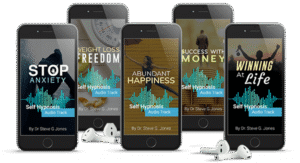
[Free Gift] Life-Changing Self Hypnosis Audio Track