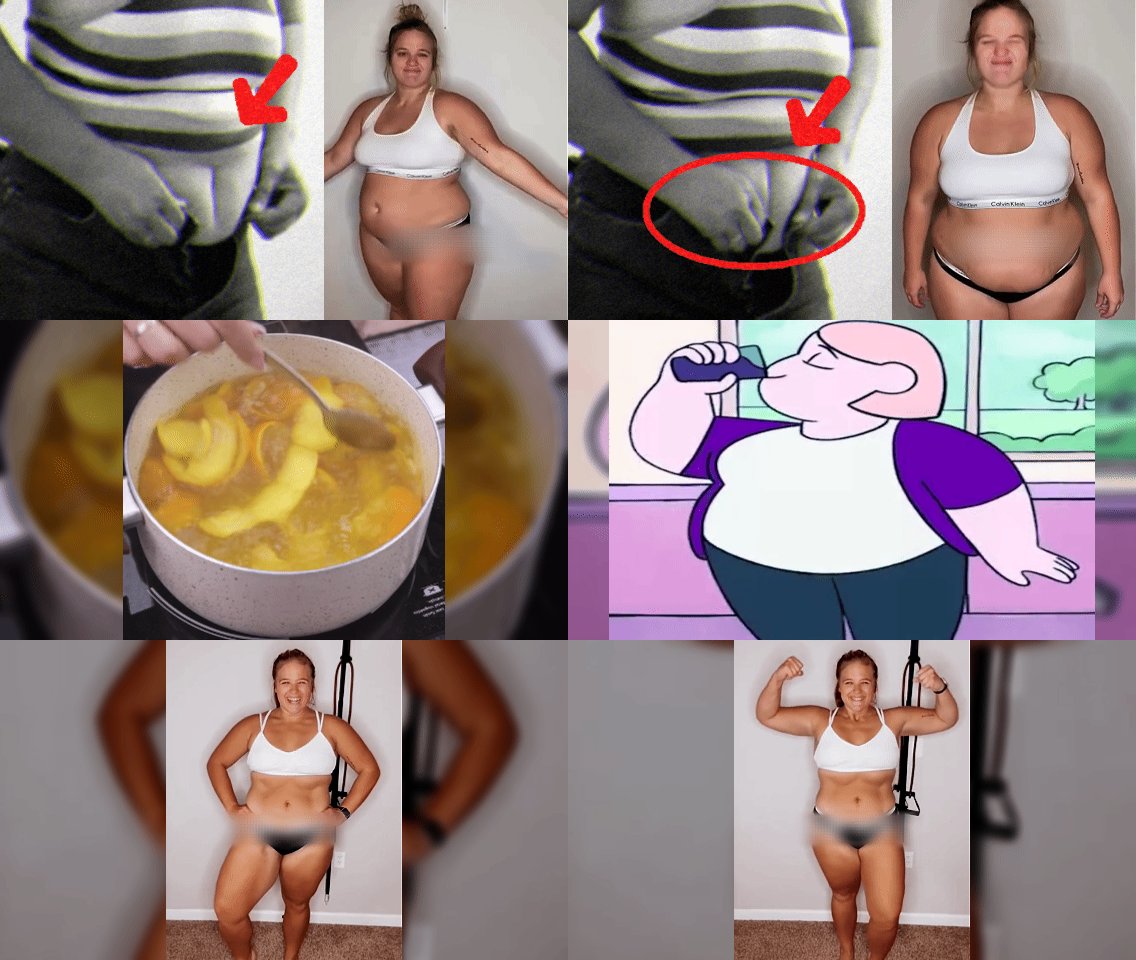
Losing weight often seems straightforward: eat less, move more, and the pounds should disappear. Yet for many people, the journey feels frustratingly slow or even completely stalled. You may be exercising regularly, eating what you believe is a healthy diet, and still not seeing the results you expected.
If this sounds familiar, you’re not alone. One of the biggest reasons people struggle with weight loss is not a lack of effort but a series of common mistakes that unknowingly sabotage progress.
Weight loss is not just about willpower. It involves metabolism, hormones, sleep quality, nutrition, stress levels, and daily habits. Even small missteps in these areas can slow down your results dramatically.
In this article, we’ll explore 10 weight loss mistakes that may be slowing your progress and what you can do instead to start seeing real, sustainable results.
1. Eating Too Little
It might sound surprising, but eating too little can actually slow weight loss.
When you drastically cut calories, your body interprets it as a potential starvation situation. In response, it lowers your metabolic rate to conserve energy. This means you burn fewer calories throughout the day.
Signs you might be eating too little include:
- Constant fatigue
- Feeling cold frequently
- Intense cravings
- Weight loss plateau
Instead of severe calorie restriction, focus on creating a moderate calorie deficit while still providing your body with the nutrients it needs to function properly.
Balanced meals with protein, healthy fats, and complex carbohydrates help maintain metabolism and prevent energy crashes.
2. Not Eating Enough Protein
Protein plays a crucial role in fat loss. Yet many people trying to lose weight don’t consume enough of it.
Protein helps with weight loss by:
- Increasing feelings of fullness
- Preserving muscle mass during calorie deficits
- Boosting metabolism through the thermic effect of food
Without adequate protein, your body may break down muscle tissue for energy. Losing muscle slows metabolism, making weight loss harder over time.
Good sources of protein include:
- Eggs
- Fish
- Chicken breast
- Greek yogurt
- Beans and lentils
- Tofu
Aim to include protein in every meal to support fat loss and maintain lean muscle.
3. Doing Only Cardio Workouts
Cardio exercises like running, cycling, or walking are excellent for burning calories and improving heart health. However, relying only on cardio can slow your weight loss progress.
Strength training is equally important because it helps build and maintain muscle. Muscle tissue burns more calories at rest than fat tissue, meaning a stronger body supports a faster metabolism.
An effective workout routine typically includes:
- Strength training 2–4 times per week
- Cardio sessions for heart health
- Active daily movement such as walking
Combining these elements creates a more efficient fat-burning environment in your body.
4. Ignoring Portion Sizes
Even healthy foods can lead to weight gain if eaten in excessive amounts.
Foods like nuts, avocado, olive oil, and whole grains are nutritious but also calorie-dense. Without realizing it, portion sizes can grow larger over time.
For example:
- A handful of nuts can quickly become several handfuls
- A tablespoon of peanut butter turns into three
- A small bowl of rice becomes a large serving
Practicing portion awareness can make a big difference. You don’t necessarily need to count every calorie, but being mindful of serving sizes helps prevent accidental overeating.
5. Drinking Your Calories
One of the most overlooked weight loss mistakes is consuming too many liquid calories.
Sugary beverages, flavored coffee drinks, smoothies, and even fruit juices can add hundreds of calories to your day without making you feel full.
Common high-calorie drinks include:
- Sweetened coffee drinks
- Soda
- Energy drinks
- Store-bought smoothies
- Alcohol
Replacing these with lower-calorie options can dramatically reduce daily calorie intake.
Better choices include:
- Water
- Sparkling water
- Unsweetened tea
- Black coffee
Simply switching beverages can sometimes lead to noticeable weight loss without changing anything else.
6. Not Getting Enough Sleep
Sleep is often overlooked in weight loss discussions, but it plays a massive role in metabolism and appetite regulation.
Poor sleep disrupts hormones that control hunger:
- Ghrelin increases, making you feel hungrier
- Leptin decreases, reducing feelings of fullness
As a result, sleep deprivation often leads to stronger cravings for high-calorie foods, particularly sugar and refined carbohydrates.
Lack of sleep can also increase stress hormones such as cortisol, which encourages fat storage, especially around the abdominal area.
Most adults should aim for 7–9 hours of quality sleep each night to support healthy weight management.
7. Relying on “Diet” or “Low-Fat” Foods
Many foods labeled as “diet,” “low-fat,” or “sugar-free” are heavily processed and not necessarily helpful for weight loss.
When fat is removed from food, manufacturers often replace it with sugar, starch, or artificial ingredients to improve flavor.
These products may:
- Increase cravings
- Cause blood sugar spikes
- Lead to overeating later
Instead of focusing on processed diet foods, prioritize whole, minimally processed foods such as:
- Vegetables
- Fruits
- Lean proteins
- Whole grains
- Healthy fats
Whole foods support stable energy levels and natural appetite control.
8. Not Managing Stress
Chronic stress can make weight loss significantly more difficult.
When you experience stress, your body releases cortisol, a hormone that can increase appetite and promote fat storage. High cortisol levels are also linked to cravings for high-sugar and high-fat foods.
Stress-related eating is common and often happens unconsciously.
Healthy stress management techniques include:
- Walking outdoors
- Meditation or breathing exercises
- Journaling
- Regular exercise
- Talking with supportive friends or family
Reducing stress not only benefits mental health but also supports hormonal balance and fat loss.
9. Expecting Fast Results
One of the most common reasons people abandon their weight loss efforts is unrealistic expectations.
Social media and marketing often promote dramatic transformations that occur in very short periods. In reality, sustainable weight loss is usually gradual.
A healthy rate of weight loss is typically:
- About 0.5–1 kg (1–2 pounds) per week
Slow progress may not feel exciting, but it’s far more likely to lead to long-term success and prevent weight regain.
Patience and consistency are far more powerful than extreme dieting.
10. Being Inconsistent
Consistency is the foundation of successful weight loss.
Many people follow a healthy routine during the week but completely abandon it on weekends. Others switch diets frequently, never giving one approach enough time to work.
Small habits repeated daily create the biggest results.
Instead of aiming for perfection, focus on consistent healthy choices most of the time, such as:
- Cooking balanced meals
- Staying active daily
- Drinking enough water
- Maintaining regular sleep patterns
Weight loss is not about being perfect. It’s about building sustainable habits that support your health long-term.
How to Start Making Real Progress
If your weight loss progress feels slow, the solution may not be working harder but working smarter.
Start by identifying which of these mistakes might apply to your situation. Even correcting one or two of them can create noticeable improvements.
Focus on building a lifestyle that supports your body instead of fighting against it.
Key habits that support sustainable weight loss include:
- Eating balanced, nutrient-dense meals
- Prioritizing protein intake
- Strength training regularly
- Getting enough sleep
- Managing stress
- Staying consistent over time
Remember that healthy weight loss is a journey, not a quick fix.
The goal isn’t just to lose weight but to create habits that allow you to maintain your results and feel better physically and mentally.
With patience, awareness, and the right strategies, you can overcome the common mistakes that slow progress and finally start seeing the results you deserve.